Nationally Recognized Expertise in Neurosurgery
Loyola Medicine has one of the most comprehensive and advanced neurosurgery departments in the nation.
We take a multidisciplinary approach to your care and provide support services for patients and families. As an academic medical center, Loyola provides compassionate, exceptional care to patients and trains future leaders in neurology and neurosurgery.
Loyola’s expert neurosurgeons are highly skilled in the surgical treatment of a wide range of neurologic conditions. Through collaboration with subspecialists such as neurologists, otolaryngologists, pediatric surgeons and radiation oncologists, your Loyola healthcare team will provide you with an individualized treatment plan to address your specific condition using the most advanced techniques and technology available.
Our neurosurgeons take on the most challenging cases because of their vast experience and a reputation for multidisciplinary partnership. Our highly experienced team performs more than 1,000 cranial surgeries and collaborates on approximately 150 cranial-base operations per year, which places Loyola among the top five centers in the United States.
Loyola’s neurosurgeons also play a critical role in trauma and critical care surgeries and provide treatment for patients at any of Loyola Medicine's hospitals and Stroger Hospital of Cook County.
Loyola provides rapid transfer for patients suffering from urgent, life-threatening conditions, such as brain hemorrhage or stroke. Loyola University Medical Center's 13-bed neuro intensive care unit is a leading-edge facility that is well-equipped to treat critically ill patients.
What Conditions are Treated with Neurosurgery?
Loyola’s highly experienced neurosurgeons are leaders in their field, offering the most advanced treatment options to patients. Loyola’s expert surgeons are skilled in treating a wide range of neurosurgical disorders, including:
- Brain, skull and spinal cord tumors — Loyola’s neurosurgeons are highly skilled in treating brain, skull and spinal cord tumors and have experience with the latest technology. Treatment options may include radiation therapy, surgery and medications such as corticosteroids to reduce swelling. Loyola’s neurosurgeons collaborate with radiation oncologists as part of our leading-edge stereotactic radiosurgery program. Minimally invasive surgery is also an option for some types of tumors.
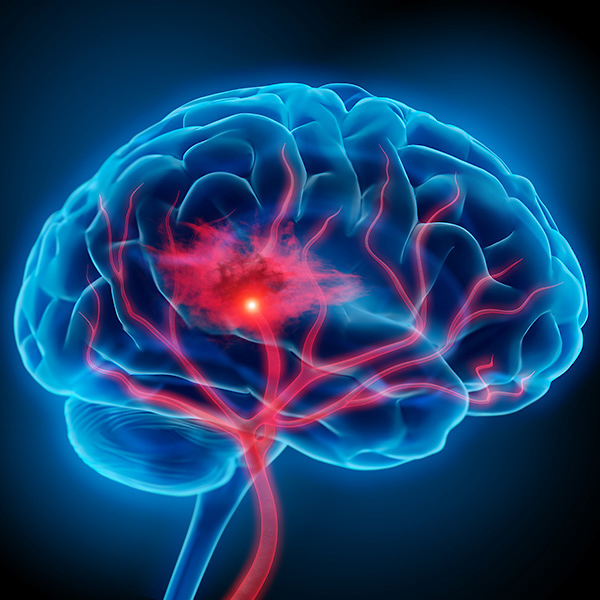
- Cerebrovascular disorders — Loyola is highly rated for its stroke prevention and treatment programs and treats a wide variety of other cerebrovascular diseases. These blood vessel conditions can be successfully treated with surgery using diagnostic tools such as intraoperative angiography, which helps neurosurgeons visualize the blood vessels at microscopic levels during surgery. Loyola offers the advantage of having a team of surgeons who have experience in cerebrovascular disease available 24 hours a day, year-round to provide treatment for our patients.
- Cranial base tumors — Loyola’s Center for Cranial Base Surgery is nationally recognized for success in treating extensive tumors of the head, neck and brain. Our neurosurgeons and otolaryngologists (ear, nose and throat doctors) use a multidisciplinary approach to skull base surgery to ensure a safe and complete removal of benign (noncancerous) and malignant (cancerous) tumors and lesions of the undersurface of the brain. We take on treatment cases that many other medical centers might consider inoperable.
- Peripheral nerve disorders – Loyola Medicine’s Peripheral Nerve Center takes a comprehensive, multidisciplinary approach to peripheral nerve injuries and disorders, such as compressive neuropathies, nerve injuries and nerve tumors. These conditions may be due to nerve damage, trauma, infection, degeneration, structural defects, tumors, autoimmune disorders or disruption of blood flow. Loyola offers a wide range of therapeutic, medical and surgical treatment options.
- Pituitary tumors — Loyola’s neurosurgeons, otolaryngologists and cranial base tumor specialists will coordinate a medical plan of action to remove your pituitary tumor. With endoscopic cranial base surgery or endonasal endoscopy, your highly skilled surgeons will access and remove your tumor through your nasal passage. This leading-edge technology allows your surgeons access to the tumor without harming other important nearby structures, such as the brain, optic nerve or carotid arteries.
- Skull disorders — Loyola’s surgeons are highly skilled in correcting bone and cartilage malformations, such as with cleft and palate conditions.
- Spinal cord disorders — Loyola’s team treats a wide variety of spinal cord disorders, including tumors, infections (such as meningitis and polio), inflammatory diseases, autoimmune conditions, spina bifida and degenerative diseases such as amyotrophic lateral sclerosis (ALS) or spinal muscular atrophy.
- Vertebral column disorders — Loyola’s doctors have vast experience in treating herniated disks, stenosis, ankylosing spondylitis and spine curvature disorders such as lordosis, kyphosis and scoliosis.
Expertise in Unique Neurosurgical Techniques
In addition to Loyola’s vast array of treatment options for neurosurgical disorders, Loyola is also at the forefront of imaging for brain surgery, as well as radiation therapy for brain, skill and spinal cord tumors. Loyola takes pride in these specialized services:
- Center for Cranial Base Surgery — Loyola is nationally recognized for success in treating extensive tumors of the head, neck and brain. The Center for Cranial Base Surgery's neurosurgeons and otolaryngologists (ear, nose and throat doctors) use a multidisciplinary approach to skull base surgery to ensure a safe and complete removal of benign (noncancerous) and malignant (cancerous) tumors and lesions of the undersurface of the brain. We take on treatment cases that many other medical centers might consider inoperable.
- Computer-assisted brain surgery — Loyola’s surgeons use imaging technology such as MRI, CT and PET scans to provide the most precise treatment possible. This system allows your Loyola surgeon to visualize the area of the brain requiring treatment while avoiding functional areas of the brain, making advanced techniques such as deep brain stimulation (DBS) for epilepsy and awake brain surgery for brain tumors possible. This technology can also be used to achieve highly targeted radiation therapy for brain tumors, AVMs and other lesions.
- Stereotactic radiotherapy (SBRT) — With stereotactic radiotherapy (SBRT), high doses of radiation target small, well-defined and cancerous tumors with submillimeter accuracy. This treatment eliminates the abnormal mass with minimal damage to surrounding healthy tissue.
Advanced Research to Improve Neurological Surgery
Loyola’s expert neurological surgery program is actively pursuing new research with a focus on patient-centered outcomes including studies on:
- Calcium regulation of neoplastic cell growth
- Cranial base team approach to giant lesions of the cranial base
- Frameless stereotactic applications to cranial base surgery
- Gene therapy for brain tumors
- High-dose chemotherapy for oligodendrogliomas
- Innovative cranial reconstruction techniques
- Multimodality chemotherapy and hormonal therapy for residual/unresectable meningiomas (tumors)
- Thalamic stimulation for movement disorders
As an academic medical center, Loyola is dedicated to improving future treatments by conducting research on new diagnostics and treatments. Loyola’s patients benefit from research discoveries made here.
Learn about Loyola’s current clinical trials