Heart and vascular care at Loyola Medicine: Why choose us?
Our interdisciplinary team of aortic specialists work together to provide timely recognition, treatment and lifelong management of aortic conditions. From cardiac and vascular surgeons to cardiologists and imaging specialists, Loyola Medicine is dedicated to developing the most effective treatment plan for your needs.
This longstanding, team-based approach to providing heart and vascular care means that patients see experts in aortic disease all in one visit. Imaging, diagnosis and a coordinated treatment plan can all be completed in one day, helping reduce delays and accelerate time to treatment.
Regional leader in complex cases
Loyola Medicine treats the full spectrum of aortic disease, including the most complex and high-risk conditions. Our physicians have extensive experience performing advanced aortic pathologies, including aortic dissections, thoracoabdominal aneurysms and advanced aortic arch replacement.
U.S. News & World Report
Meet the team
The Comprehensive Aortic Center at Loyola Medicine is led by a multidisciplinary team of nationally recognized specialists dedicated to diagnosing, treating and managing the full spectrum of aortic disease. By bringing together experts across specialties, our team ensures seamless, coordinated care for even the most complex cases. The center is co-directed by the following nationally recognized specialists:
Advanced treatment for aortic disease
Complex aortic disease requires the highest level of screening, imaging and treatment options. Loyola Medicine provides a wide range of services, including advanced diagnostic tools, initial screenings, endovascular interventions and cardiovascular genetic testing for at-risk patients. Our team takes the time to help you understand your diagnosis, offer the most progressive treatment options available and work with you to develop a treatment plan that meets your needs and goals.
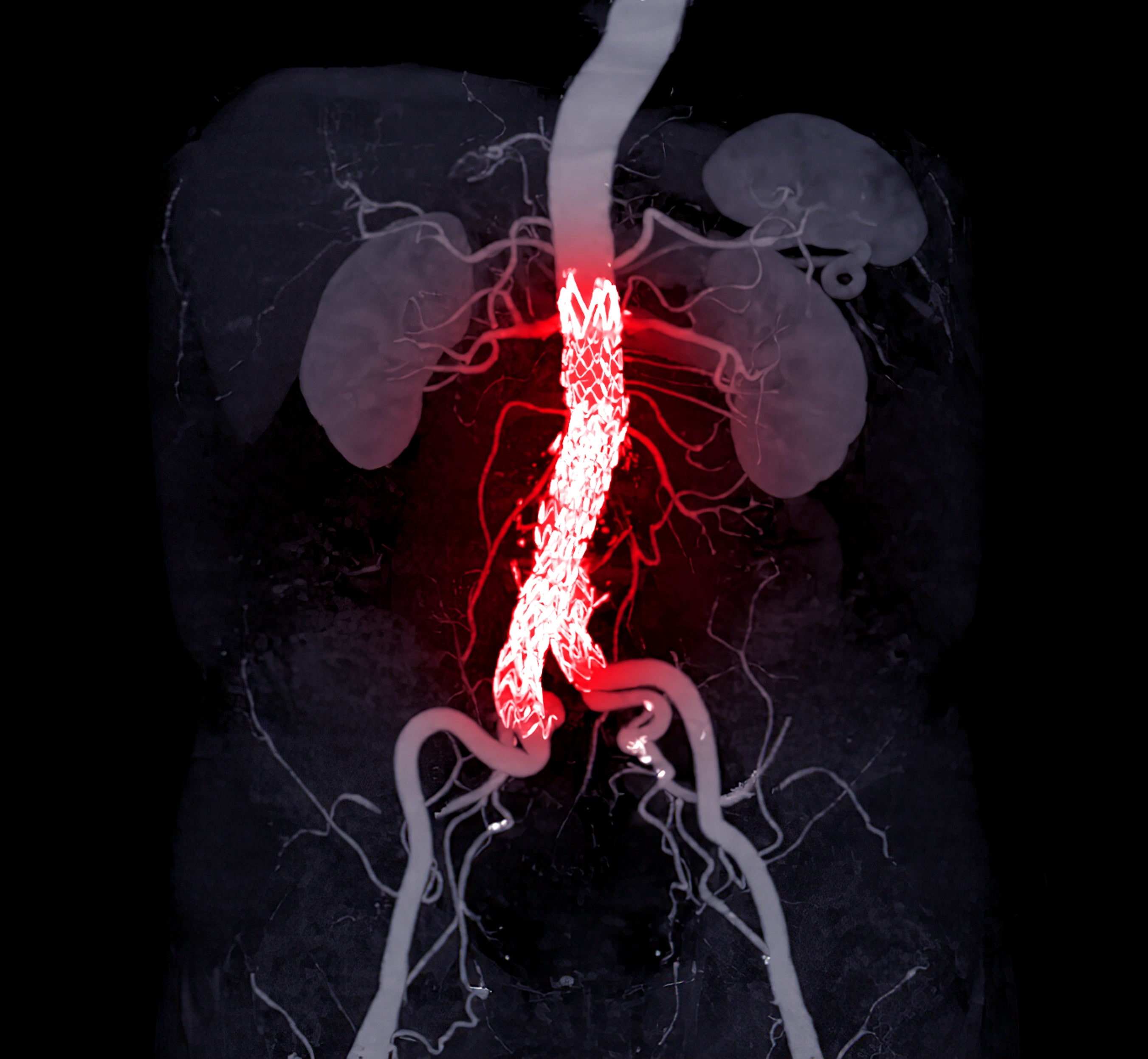
When appropriate, patients can also receive minimally-invasive treatment of aneurysms with innovative endovascular stent grafting technology, providing effective options that are often not offered at other medical centers.
What aortic tests and procedures are performed?
The efficient and expert collaboration between the cardiac and vascular surgery teams allows Loyola Medicine to offer patients access to a full range of diagnostic and treatment services, including:
Advanced non-invasive imaging
Advanced preventive surgical procedures
Lifelong monitoring and follow-up care
Medication management
Minimally-invasive techniques
Surgical interventions that prevent disease-related complications
Thorough diagnosis to identify and manage genetic risk factors
What are the treatment options for aortic disease?
Our specialists are committed to developing the plan that is right for you, delivering expert treatment and comprehensive follow-up care. These treatment options include:
Ready to take the next step?
If you’re seeking confirmation of a diagnosis or exploring additional treatment options, our specialists are here to help. You can request a second opinion online or call 708-327-2465
Request an appointment
What aortic conditions are treated?
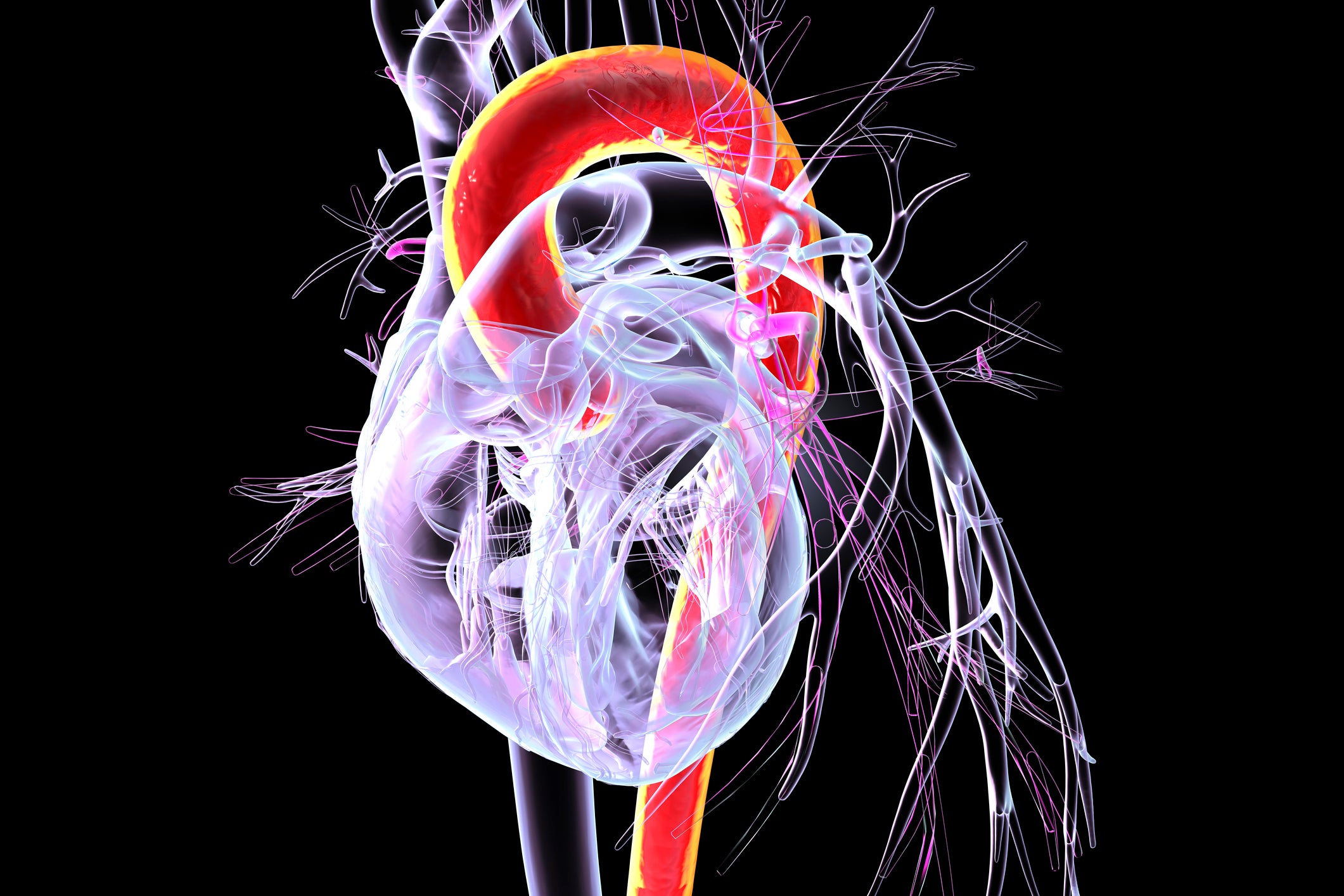
The clinical specialists at Loyola Medicine diagnose and manage patients who suffer from a variety of aortic disorders and diseases, including:
Acute aortic syndrome: A group of life-threatening conditions that involve sudden damage to the aortic wall and require immediate medical attention.Aneurysms, including aortic aneurysms , abdominal aortic aneurysms , thoracic aneurysms and thoracoabdominal aneurysms: An abnormal bulging or widening of the aorta that weakens the vessel wall and increases the risk of rupture.Aortic arch disease: Conditions affecting the curved portion of the aorta that can disrupt blood flow to the brain and upper body.Aortic dissection: A serious condition in which a tear forms in the inner layer of the aorta, allowing blood to flow between the vessel wall layers.Aortic injury and trauma: Damage to the aorta caused by blunt or penetrating injury, most often from accidents or severe physical trauma.Aortic intramural hematoma: Bleeding within the wall of the aorta that can weaken the vessel and may progress to a dissection.Aortitis: Inflammation of the aorta, often caused by autoimmune disease or infection, that can lead to vessel damage or narrowing.Aortic valve disease , including aortic stenosis and aortic regurgitation: Conditions in which the aortic valve does not open fully or close properly, affecting blood flow from the heart.Complex aortic valve endocarditis: A severe infection of the aortic valve that can damage the valve and surrounding heart structures.Congenital heart defects, such as aortic coarctation (CoA) or narrowing of the aorta: Heart and aortic abnormalities present at birth that can restrict blood flow or increase strain on the heart.Familial thoracic aortic aneurysm and dissection: An inherited condition that increases the risk of weakening, enlargement or tearing of the thoracic aorta.Marfan syndrome and other genetic conditions: Genetic disorders that affect connective tissue and can increase the risk of aortic enlargement, dissection or rupture.