Understanding abdominal and thoracic aortic aneurysms
November 21, 2025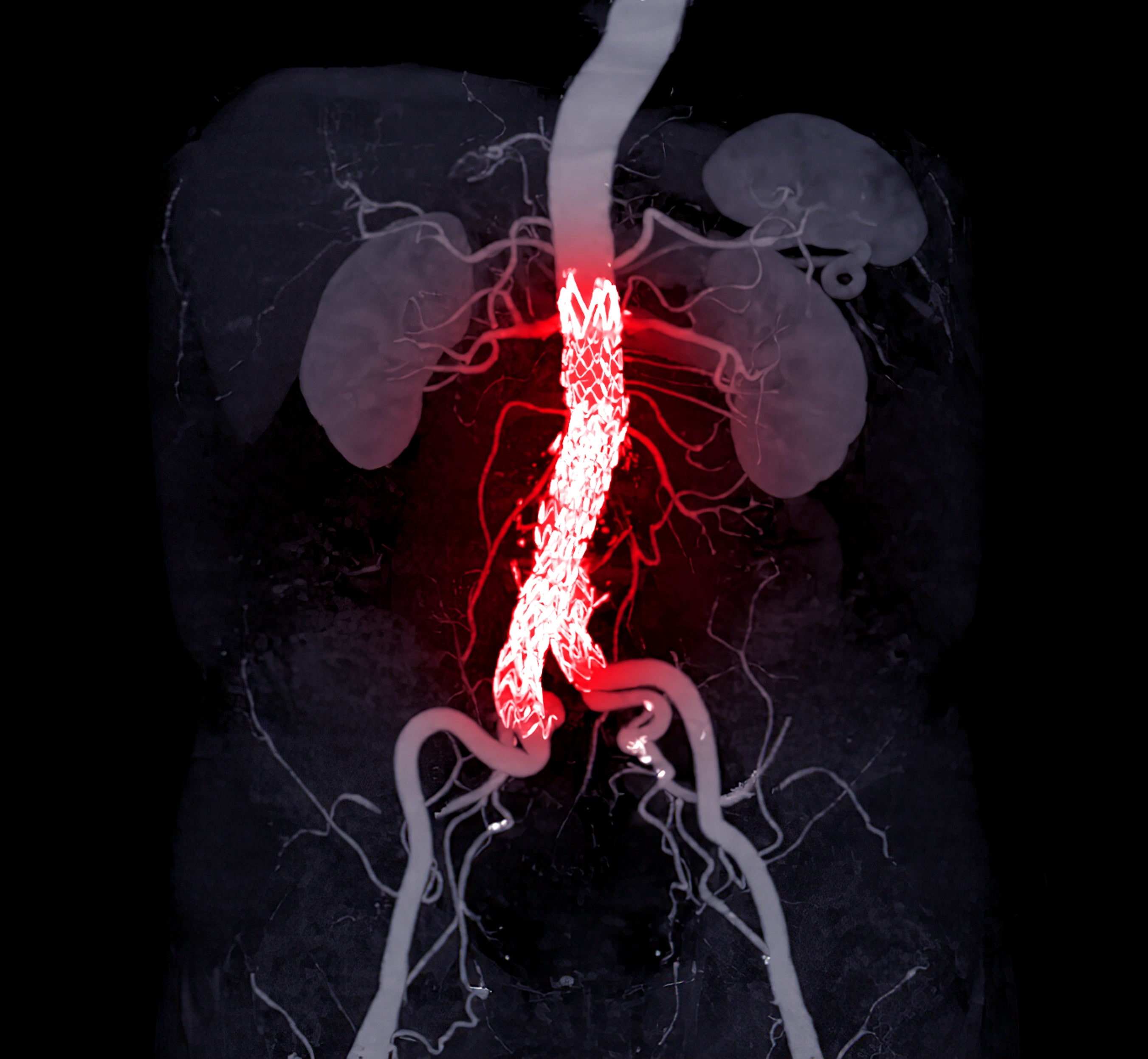
By: Khalil Qato, MD
Categories: Heart & Vascular
Tags: Aortic aneurysm, Thoracic aortic aneurysm, Abdominal aortic aneurysm
An aortic aneurysm is a complex vascular condition that can develop silently over time. Although aortic aneurysms may have no symptoms, the risk of severe complications makes them important to understand. By learning how aneurysms form, who is most at risk, and how they’re detected and treated, individuals can take proactive steps toward protecting their cardiovascular health.
“When we talk about aortic aneurysms, we’re really talking about a condition that requires thoughtful monitoring and individualized care. It’s about understanding the patient’s overall health and making the right decisions at the right time,” says Khalil Qato, MD, vascular surgeon at Loyola Medicine.
What is an aortic aneurysm?
The aorta is the primary artery that moves blood away from your heart to other parts of your body. While this artery has thick walls to maintain normal blood pressure, certain conditions, problems or traumas can weaken these walls. Eventually, the force of flowing blood causes part of the wall to bulge, creating an aneurysm.
Aortic Aneurysms can develop anywhere along the length of the aorta and are characterized and treated differently depending on location: abdominal aortic aneurysm and thoracic aortic aneurysm are two such aneurysms.
- Abdominal aortic aneurysms are the most common. The abdominal aorta runs through the stomach and is responsible for transferring blood to the organs and tissues of the abdomen and lower limbs.
- Thoracic aortic aneurysms are less common, occurring in the chest, above the diaphragm.
Aortic aneurysms are serious because they can cause a rupture (hole) that allows blood to burst into the body
“By definition, an aneurysm is present when the vessel diameter reaches 1.5 times its normal size. For the abdominal aorta, that means anything around 3 centimeters or more,” says Dr. Qato.
Risk factors for aortic aneurysm
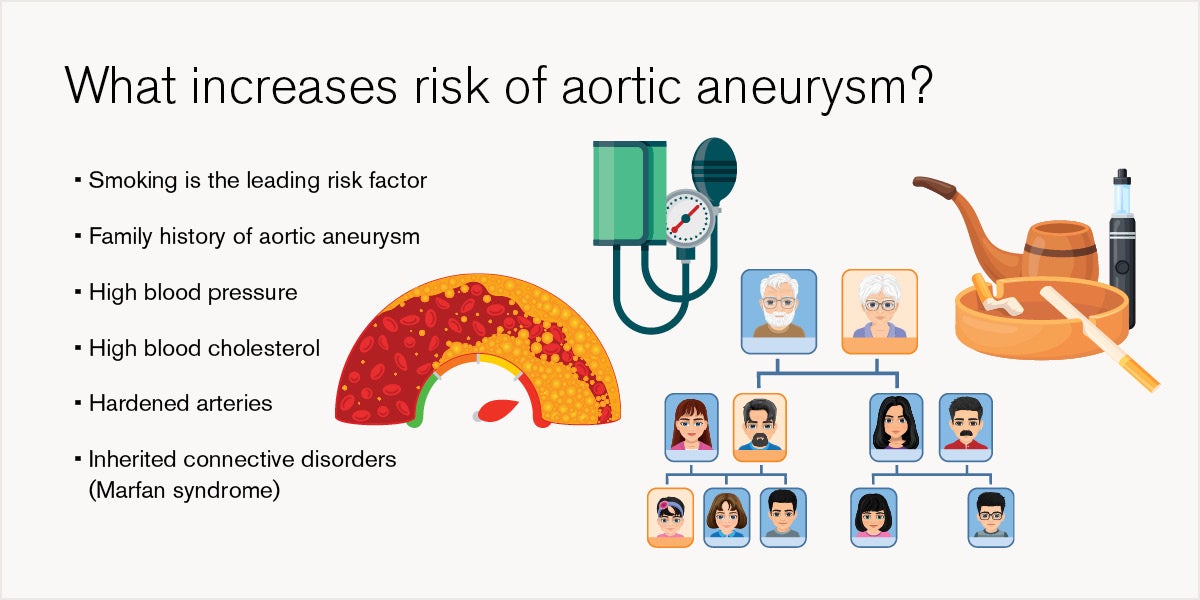
Diseases and poor lifestyle choices that damage your heart and/or blood vessels increase the risk of aortic aneurysms. Smoking is the most common and significant behavior related to these aneurysms. Most cases have developed in people who are current, or former, smokers.
Over time, the walls of the aorta naturally lose elasticity and weaken, increasing the chances of an aneurysm. Tobacco weakens the walls even further, increasing the chance of a rupture or dissection.
“Genetics play a major role. A family history of aneurysms significantly increases your risk. Of course, smoking is also the biggest risk factor, but patients tend to overlook the role that family history can also play,” says Dr. Qato.
Early detection of aortic aneurysms
Because smoking and family history are the strongest risk factors for aortic aneurysms, screening recommendations are based on those parameters. The U.S. Preventive Services Task Force recommendations differ depending on the patient’s sex, age and history of smoking. In general, men aged 65 to 75 years who have ever smoked should receive annual screenings. Women should speak with their physician to determine the benefits and risk of screening, especially if they have smoked in the past.
The standard approach for diagnosing abdominal aortic aneurysms is an abdominal ultrasound, a medical imaging test that uses sound waves to see inside of the stomach area. Chest x-rays and contrast-enhanced CT scans can help find thoracic aneurysms.
“Once an aneurysm is identified, typically through imaging like an ultrasound or CT scan, it enters a surveillance treatment path. The frequency of follow-up depends on its size and rate of growth,” says Dr. Qato.
Symptoms of aortic aneurysms
Most aortic aneurysms do not present symptoms until they become big enough to cause problems. This is why understanding your risk factors and determining the need for screenings is so important. Some of the signs of impending rupture of an aneurysm is the development of abdominal, back, or groin pain.
If you or someone else has sudden pain, is struggling to breathe, has pale or grey skin or loses consciousness, these may be signs that an aneurysm has ruptured. Emergency services should be called immediately.
Treatment for aortic aneurysms
The treatment for aortic aneurysms depends on size, location and your individual risk factors. Small aortic aneurysms can be managed with close surveillance and healthy lifestyle choices, with the goal of slowing growth and reducing the risk of further complications. In the case of larger aneurysms, surgery may be recommended. There are three components to successful treatment.
Lifestyle changes
Smoking cessation is the most important step of treatment. Other healthy lifestyle choices, such as heart-healthy eating, managing stress and performing moderate physical activity, can all decrease your risk for rupture or dissection. However, speak with your doctor to determine what level of physical activity is right for you, as exercise that is too strenuous can actually increase your risk.
Medications
Certain medical conditions can raise your risk for rupture or dissection. Doctors may prescribe certain medications, such as aspirin, statins or blood pressure medicines to help lower this risk.
Surgery
If an aortic aneurysm is growing quickly or is large in size, surgery may be recommended. In the worst-case scenario of a rupture or dissection, emergency surgery may also be required. In general, there are two types of surgeries:
- Open surgery where the doctor makes an incision in your stomach, removes the aneurysm and sews a graft in place.
- Endovascular aneurysm repair is less invasive, only creating small incisions, and uses a tube covered with fabric to form a seal between the tube and vessel wall to prevent blood entering the aortic aneurysm.
“In men, surgical repair is typically recommended once the aneurysm reaches 5.5 centimeters in diameter. For women, the threshold is slightly lower at 5 centimeters. For patients with any concerning symptoms, aneurysms may be fixed at smaller sizes” says Dr. Qato.
Treatment of aortic aneurysms at Loyola Medicine
The cardiovascular and vascular surgery team at Loyola has expertise in diagnosing, monitoring and treating the most complex cases of aortic aneurysm, ensuring optimal care for your condition. With advanced imaging technology and a comprehensive approach to treatment, our specialists provide personalized care for both abdominal and thoracic aortic aneurysms, helping to minimize risks and improve patient outcomes.