A simple guide to aortic arch replacement
March 25, 2026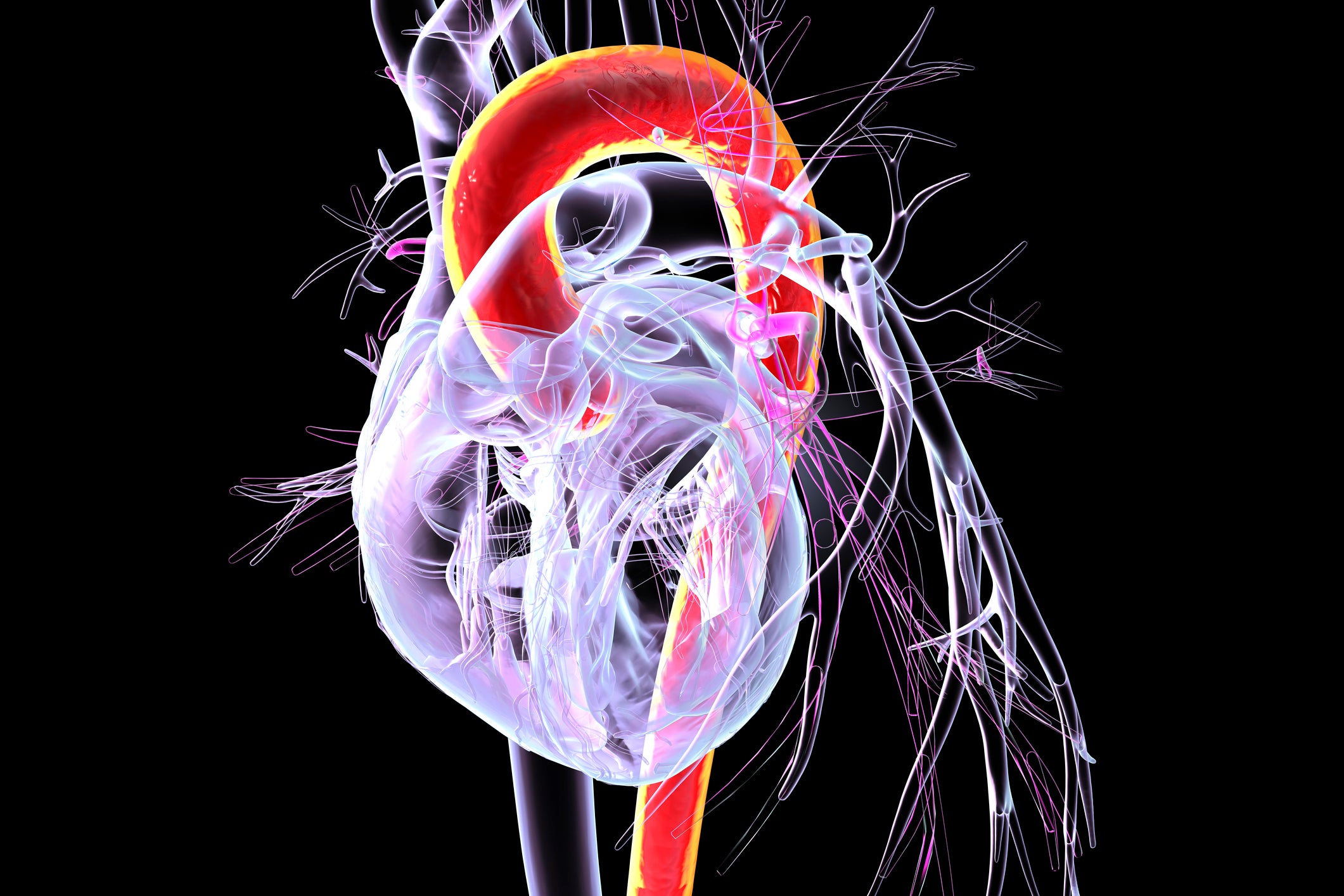
Categories: Heart & Vascular, Cardiology
Tags: aortic arch, Heart Care, Aortic aneurysm
When someone learns they have an aortic disorder or disease, it can be confusing to know what it means for their health or what to expect next. The aortic arch plays a major role in carrying blood to the brain and upper body, so conditions that affect this area require careful monitoring and expert care. It's important to know what the aortic arch does, when surgery is needed and how the procedure works.
What is the aortic arch, and why is it so important?
Your aorta is the body’s main artery. It carries oxygen‑rich blood from your heart to the rest of your body. The aortic arch is the curved part at the top of the chest where blood vessels branch off to supply the brain and arms. If the aorta weakens and bulges, known as an aneurysm, or tears, known as a dissection, it can be life‑threatening without prompt, expert care. Certain congenital or genetic conditions, such as Marfan syndrome, Loeys‑Dietz syndrome, atherosclerosis, or bicuspid aortic valve can also weaken the aortic wall and raise the risk of aneurysm or dissection.
Because the aortic arch supplies blood to the brain, even small changes in this area can cause significant symptoms. Some people experience chest or back pain, a pulsing feeling, or dizziness, while others have no symptoms at all. This is why routine imaging, such as CT scans, MRI or echocardiograms, is so important for early detection and safe monitoring.
“Aortic arch replacement demands not only technical precision, but also a coordinated strategy that integrates imaging, neuroprotection and multidisciplinary expertise. As our surgical and endovascular options continue to evolve, collaborative planning remains central to achieving the safest and most durable outcomes,” says Jeffrey Schwartz, cardiothoracic vascular surgeon at Loyola Medicine.
When do doctors recommend surgery?
Aneurysms can grow silently for years so surgery is considered based on your aorta’s size, growth rate, symptoms and body size, with earlier surgery for certain heritable conditions. For example, rapid growth is a red flag. Typically, ≥0.5 cm in 1 year will prompt doctors to consider surgery.
Doctors may also recommend surgery sooner if the aneurysm begins affecting nearby blood vessels or causing symptoms like hoarseness, trouble swallowing or signs of reduced blood flow to the brain or arms. In emergencies such as a dissection, surgery is often needed right away to prevent life‑threatening complications.
There are also hybrid solutions, such as the frozen elephant trunk, that have become popular although choosing which approach is best is determined by the needs of every patient.
“When patients have multiple comorbidities, advanced age, severe lung or heart disease, cancer, or overall frailty, open surgery may simply be too much for them. In those cases, endovascular options can offer a safer alternative,” says Dr. Schwartz.
What happens during an aortic arch replacement
Aortic arch replacement is a major open‑heart operation performed under general anesthesia. A heart‑lung machine temporarily takes over circulation while surgeons replace the diseased arch with a fabric graft. To protect the brain, teams use techniques such as selective antegrade cerebral perfusion with controlled cooling for periods when blood flow to the arch is paused. These neuroprotection strategies are standard at advanced centers to reduce the risk of stroke and other complications. How long the surgery takes depends on the complexity of each case.
What are the risks?
All heart and aortic surgeries carry risks, which your surgeon will discuss. Potential risks include bleeding, infection, stroke, kidney problems and irregular heart rhythms. Choosing experienced, high‑volume programs and following guideline‑based care helps improve safety and outcomes.
Recovery and outcomes
Many patients spend time in the ICU, with a total hospital stay often around 5 to10 days, depending on overall health and procedure details.
When at home, expect several weeks of recovery. Many people return to typical daily activities in about 4 to 6 weeks (although the timeline may be longer after more complex repairs). The surgery team gives patients a personalized plan for walking, breathing exercises, incision care and follow‑up imaging. You’ll have periodic CT/MRI/echo scans to watch the repaired aorta and the rest of your aorta over time.
The doctors will provide patients with standard lifestyle tips to ensure optimal recovery and a healthy heart moving forward. These include:
- Controlling blood pressure and keeping all follow‑up appointments.
- Not smoking.
- Heart‑healthy habits (move regularly, eat well, manage weight, limit alcohol, get good sleep) to support healing and reduce future risk.
Cardiac rehabilitation is also recommended for many patients. This supervised program helps rebuild strength, teaches safe exercise routines and provides guidance on long‑term heart‑healthy living. Most patients feel significantly better within a few months and continue improving as they build stamina, protect their blood pressure and maintain regular imaging follow‑ups.
Why patients choose Loyola Medicine for complex aortic arch care
Loyola's Comprehensive Aortic Center brings together cardiac surgeons, vascular surgeons, anesthesiologists, cardiologists, imaging and medical genetics to evaluate and treat all forms of aortic disease, including aortic arch disease, aneurysms, and dissections, often in a single, coordinated visit.
With same‑day imaging, evaluation and individualized treatment planning, patients leave with a guided plan that makes them feel confident about their future. If surgery is needed, Loyola surgeons perform open, endovascular and hybrid approaches (including arch replacement and endovascular aneurysm repair) tailored to your anatomy and goals.
“Arch surgery absolutely requires a well‑oiled team. You need strong anesthesia, skilled perfusionists, excellent nursing, and coordinated surgical leadership. Everyone must be synchronized to do these cases safely,” says Dr. Schwartz.
Ready to talk with an aortic specialist?
Loyola’s aortic team can review your scans, explain your options and schedule rapid evaluations for urgent cases. Request an appointment to learn more.