
How preventive cardiology can help reduce your risk of heart disease
August 17, 2026
Categories: Cardiology, Heart & Vascular
Tags: Preventative cardiology, Heart disease prevention, Heart health
Your heart is one of the hardest-working organs in your body. Yet heart disease remains the leading cause of death in the United States, affecting millions of adults every year. Thankfully, many cardiovascular risk factors can be identified and managed before they lead to serious health problems. Controlling risk factors like high blood pressure, high cholesterol, smoking, and diabetes can help reduce the likelihood of developing heart disease.
Focusing on what you can control is where preventive cardiology comes in. Rather than waiting until a heart attack, stroke or other cardiovascular event occurs, preventive cardiology focuses on understanding your risk and taking proactive steps to protect your long-term heart health.
How does a preventive cardiologist differ from a general cardiologist?
Many people think of a cardiologist as a doctor who treats heart disease after it develops. While general cardiologists diagnose and manage conditions such as coronary artery disease, heart failure and heart rhythm disorders, preventive cardiologists focus on reducing the chances of those conditions developing in the first place.
Prevention can be divided into two categories. Primary prevention focuses on people who have not yet experienced a cardiovascular event but may have risk factors that increase their chances of developing heart disease. Secondary prevention involves helping people who have already experienced a heart attack, stroke, stent placement or bypass surgery reduce their risk of future events.
Who should consider scheduling a preventive cardiology visit?
A preventive cardiology visit is for healthy adults who want a better understanding of their cardiovascular risk or those who have already suffered from a cardiac event. Some patients are referred by their primary care physician after elevated blood pressure, cholesterol or other risk factors are identified.
Men in their mid-40s to early 50s and women who are perimenopausal or menopausal should consider seeing a preventive cardiologist. As we age, cardiovascular risk naturally increases, making it even more important to establish a baseline for heart health.
"Many patients come in after seeing a friend or family member experience a cardiovascular event. That often becomes the trigger that makes them think about their own heart health," says Melissa Tracy, MD, cardiologist at Loyola Medicine.
What are the most common cardiovascular risk factors?
Heart disease usually develops because of a combination of risk factors rather than a single cause. Understanding these risks is one of the most important parts of prevention. A preventive cardiology consultation may be worth considering if you:
- Have high blood pressure
- Have high cholesterol
- Have diabetes or prediabetes
- Smoke
- Are overweight or obese
- Have a strong family history of heart disease
- Have experienced pregnancy-related complications such as preeclampsia, eclampsia, gestational diabetes or cardiomyopathy
How does family history affect your risk of heart disease?
Family history is one of the most important risk factors a preventive cardiologist will review. Having close relatives with heart disease can increase your chances of developing cardiovascular disease yourself. In some cases, heart disease occurring at a younger age may signal an inherited condition that raises cardiovascular risk.
Your doctor will pay particular attention if you have first-degree relatives who experienced cardiovascular events at relatively young ages, especially men in their 40s and women in their 50s or earlier. Understanding those family patterns can help determine whether earlier cardiovascular screening or more aggressive prevention strategies are appropriate.
What happens during a preventive cardiology consultation?
The first visit typically begins with a review of your medical history, family history, current medications and any existing health conditions. Your provider will also perform a physical examination and gather basic measurements such as:
- Weight
- Blood pressure
- Pulse
- Heart rhythm assessment
- Electrocardiogram (EKG), when appropriate to learn about the heart's electrical activity and other information
"We're not just looking at numbers on a chart. We're talking about the activities you enjoy, your goals and what's realistic for your life," says Dr. Tracy.
Lifestyle factors are also a major focus of the appointment. Patients can expect a discussion about:
- Nutrition and eating habits
- Exercise routines
- Sleep quality
- Smoking status
- Stress levels
- Weight management goals
What tests are used for cardiovascular risk assessment?
After reviewing your health history and risk factors, a preventive cardiologist may recommend additional testing to gain a clearer picture of your cardiovascular risk.
One commonly used tool is a coronary artery calcium (CAC) score. This imaging test measures calcium deposits within the coronary arteries and can help physicians better understand future heart disease risk.
Additional testing may include:
- Cholesterol and lipid testing
- Blood sugar screening
- Lipoprotein(a) [Lp(a)] testing
- Echocardiograms
- Stress tests
Testing recommendations are based on individual risk factors, symptoms and medical history.
How can lifestyle changes reduce cardiovascular disease risk?
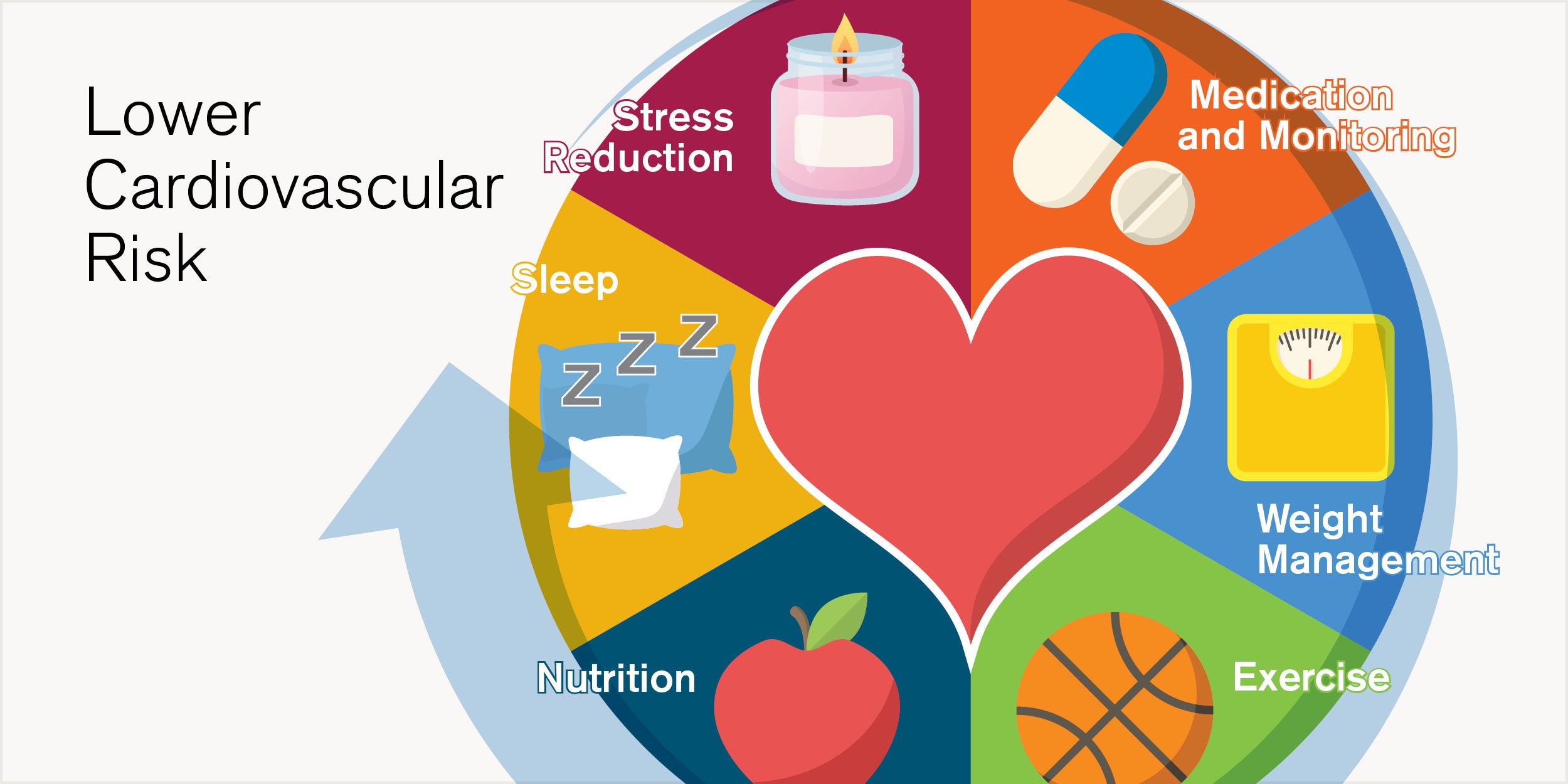
Patients should focus on healthy eating, regular physical activity, weight management, smoking cessation, and control of blood pressure and cholesterol levels to reduce cardiovascular risk.
A preventive cardiology appointment helps patients develop realistic and personalized goals related to:
- Nutrition
- Exercise
- Weight loss
- Sleep habits
- Stress reduction and mindfulness
In some cases, medications such as cholesterol-lowering therapies or blood pressure medications may be recommended. However, treatment plans are individualized based on each patient's overall risk profile and health goals.
Preventive cardiology is also an ongoing process. Follow-up visits are often scheduled within four to six months to review progress, reassess risk factors and adjust recommendations as needed.
"If I give someone goals for diet and exercise and then don't see them again for a year, it's hard to know whether they have made those changes. Follow-up helps keep patients on track," says Dr. Tracy.
Can preventive cardiology help prevent heart attacks and stroke?
While no doctor can eliminate cardiovascular risk entirely, preventive cardiology is designed to identify potential problems before they become serious.
By evaluating risk factors, reviewing family history, performing appropriate testing and creating personalized prevention plans, preventive cardiologists help patients make informed decisions about their heart health. These efforts can play an important role in reducing the risk of heart attack, stroke and other cardiovascular diseases.
Preventive cardiology at Loyola Medicine
We believe the best way to beat heart disease is to prevent it in the first place or catch it in its early stages. The Loyola Preventive Cardiology program offers easy to schedule appointments and high quality care that emphasizes prevention and early detection of cardiovascular disease.
Our team's mission – comprised of physicians, nurses, nutritionists and exercise physiologists – is to prevent heart attacks and other cardiovascular events from occurring by helping patients identify and reduce their risk factors through customized medical management, as well as nutrition and exercise counseling.