
What to eat to improve your cholesterol and heart health
February 18, 2016
Categories: Heart & Vascular, Health & Wellness
Tags: Heart health, Preventive Health, wellness
High cholesterol, low cholesterol, good fats, bad fats, LDL and HDL. We often hear these terms and how important they are for heart health. Yet for many people, the terminology can be difficult to understand. The bottom line is that achieving the right levels of cholesterol is just as important as eating a healthy balance of protein, carbohydrates and fat.
What is cholesterol?
Cholesterol is a waxy substance that occurs naturally in all parts of the body. The liver produces cholesterol because your body needs it to function properly. It forms part of your cell membranes, helps your liver make bile, and serves as a building block for hormones. However, too much in your bloodstream can contribute to your risk of heart attack and stroke.
"Many people don't feel any different when their cholesterol levels are high, which is why it can be easy to overlook. The concern is that elevated cholesterol can contribute to artery disease over time, increasing the risk of heart attack, stroke and other cardiovascular conditions long before symptoms appear,” says Ranya Khateeb, MD, internal medicine doctor at Loyola Medicine.
Bad cholesterol versus good cholesterol
There are two main types of cholesterol that travel through your bloodstream in particles called lipoproteins, which are made of fat and protein. These lipoproteins are known as high-density lipoprotein ("good” cholesterol) and low-density lipoprotein ("bad” cholesterol).
What is low-density lipoprotein cholesterol (LDL)?
Low-density lipoprotein cholesterol is considered the bad form because it contributes to a thick, hard substance in your arteries called plaque. Plaque can clog and narrow arteries and make them inflexible, which can lead to heart disease. Saturated and trans fats increase your level of LDL. Foods high in saturated fat include:
- Fatty meat
- Poultry skin
- Bacon and sausage
- Whole milk, cream and butter
Trans fats are found in:
- Shortening and stick margarine
- Fried foods
- Packaged foods made with hydrogenated oils such as baked goods and chips
What is high-density lipoprotein cholesterol (HDL)?
High-density lipoprotein cholesterol is described as good cholesterol because doctors and researchers believe HDL can help carry LDL through the arteries, to the liver and out of your system.
How fat affects your cholesterol depends on the kind you eat. Monounsaturated and polyunsaturated fats contribute to higher HDL. Foods rich in these fats include:
- Nuts and seeds
- Avocados
- Ground flaxseed
- Olive and canola oil
- Fish
Although these are heart healthy, remember that all fats are high in calories. It’s important eat a well-balanced diet and eat the right portions.
Which cooking oils are best for managing high cholesterol?
One simple way to consume less of the “bad” cholesterol is to choose healthy cooking oils. When shopping, you want to choose oils that have less than 4 grams of saturated fat per tablespoon. Generally, this means staying away from butter, lard and palm oils that can possibly lead to cardiovascular disease. Instead, use these oils that contain more of the “good” fats and less saturated fat:
- Canola
- Corn
- Olive
- Peanut
- Safflower
- Soybean
- Sunflower
- Vegetable
If your cholesterol levels are elevated, consider these strategies to support heart health and improve your cholesterol levels:
- Reduce your intake of saturated and trans fats.
- Incorporate more foods that contain heart-healthy monounsaturated and polyunsaturated fats.
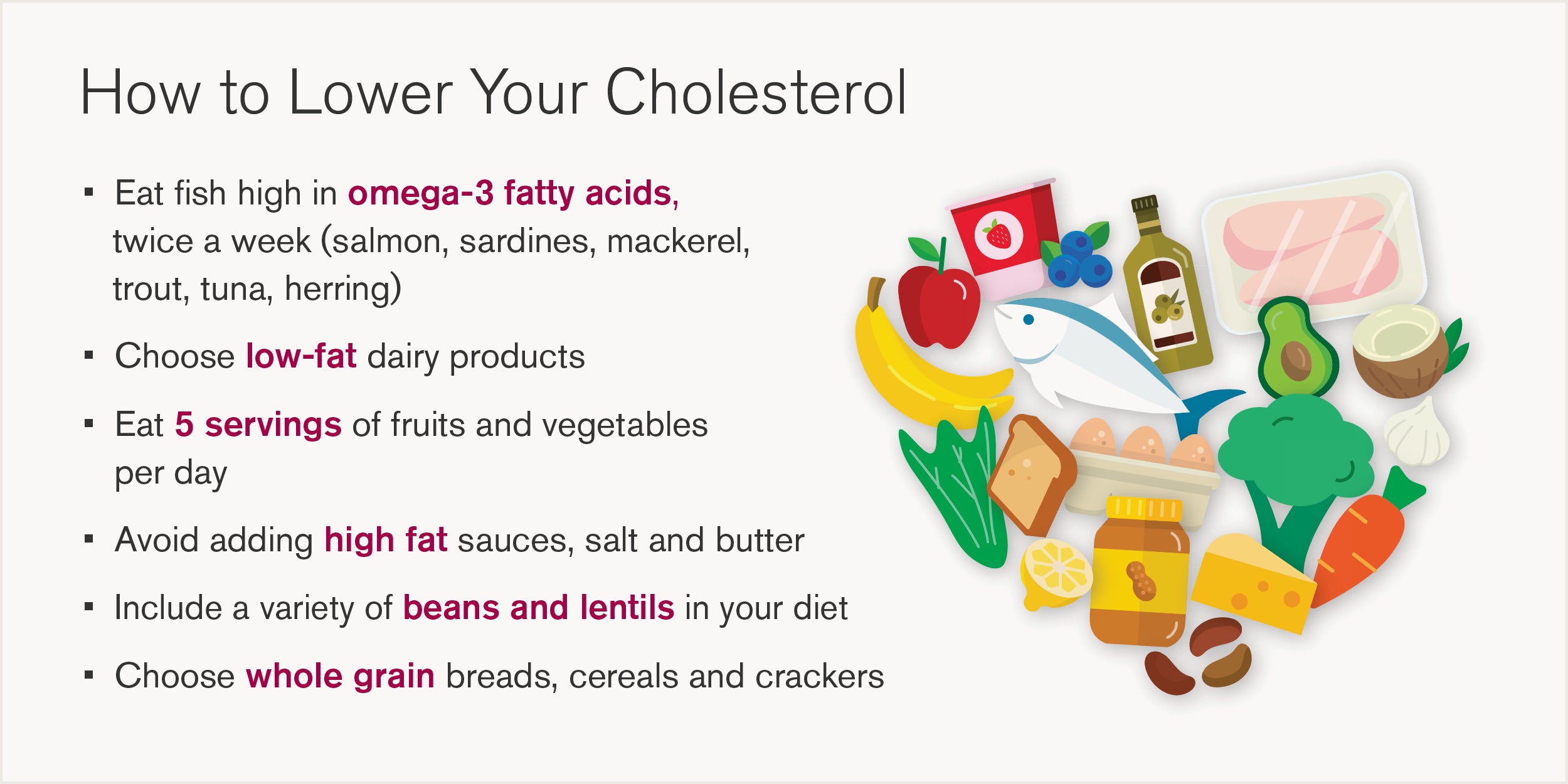
Follow a heart healthy diet to lower cholesterol
Taking care of your heart starts with making simple but meaningful dietary changes. If you’re worried about your cholesterol levels, start by trying some heart-healthy recipes and talking to your doctor.
"The good news is that cholesterol levels often respond well to a combination of healthy lifestyle choices, regular monitoring and, when appropriate, medical treatment. Knowing your risk factors and working with your care team can go a long way toward protecting your heart,” says Dr. Ranya.