
5 habits to keep your heart healthy
September 16, 2026
By: Subir Shah, DO
Categories: Heart & Vascular, Health & Wellness
Despite the heart being the most important organ in the human body, heart disease is the leading cause of death in the United States. However, you can take steps and develop healthy habits to protect this vital organ. Below are five important heart health tips, all of which are simple lifestyle changes you can make today.
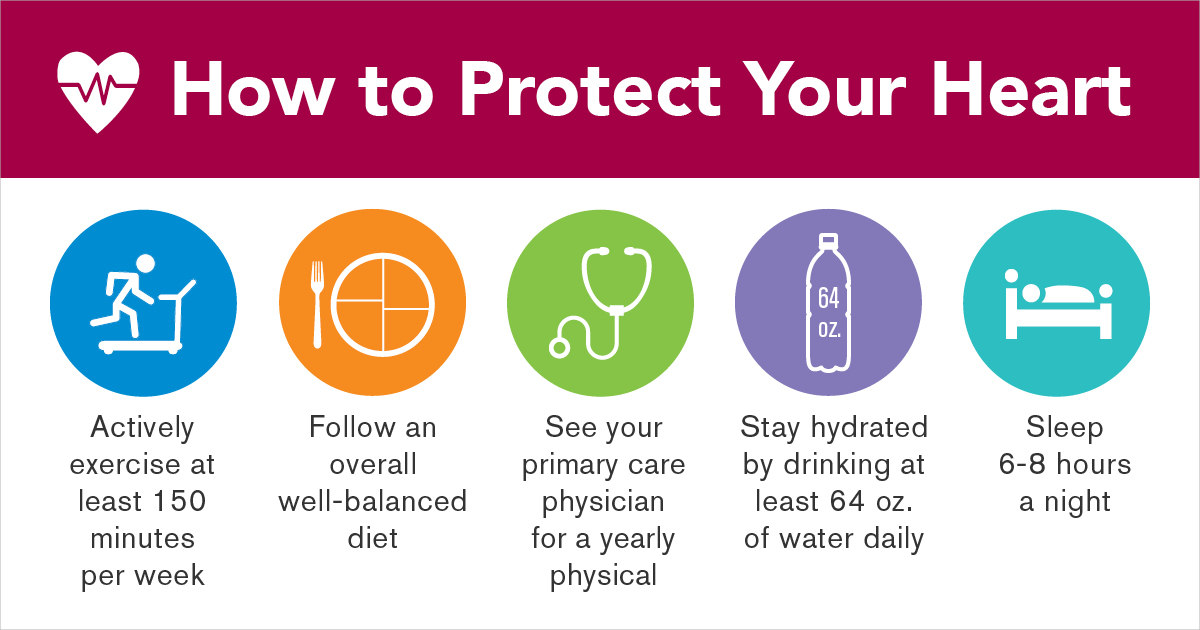
Heart health habit #1: Get enough exercise
Regular physical activity is one of the best things you can do for your heart. Excercise lowers blood pressure, strengthens the muscles' ability to pull oxygen out of the blood, and reduces stress hormones that put extra burden on the heart.
These are the latest heart healthy exercise recommendations for adults:
- Get at least 150 minutes per week of moderate-intensity aerobic activity, 75 minutes per week of vigorous aerobic activity, or a combination.
- For the greatest benefits, increase to 300 minutes of physical activity per week.
- Incorporate exercise into your routine throughout the week.
- Include muscle-strengthening activities at least 2 days per week.
- Maintain a heart rate above 100 beats per minute during exercise.
It doesn't matter which activities are done to reach these numbers. While running and walking are popular, there are other options that are low impact and safe for improving cardiovascular health, like swimming, cycling and pickleball, that may appeal to you more.
“People often think exercise only counts if it's intense, but consistency matters far more than perfection. If you find an activity you genuinely enjoy, you're much more likely to keep doing it, and that's where the long-term benefits come from," says Subir Shah, DO, a cardiologist at Loyola Medicine.
Heart health habit #2: Follow a healthy diet
Alongside an exercise regimen, a healthy diet is key to preventing and managing cardiovascular disease. While the Mediterranean diet is one of the most well-researched eating patterns for heart health, making small, sustainable changes to your daily meals can also make a big difference. To follow a heart healthy diet, you should be eating:
- A wide variety of vegetables and fruits.
- Whole grains, like brown rice, oats and whole-wheat bread.
- Healthy sources of protein. Try to shift away from red meat to lean cuts, like fish, skinless poultry, or plant-based proteins
- Unsaturated fat, like olive oil, avocados, nuts and seeds.
- Whole foods rather than processed or ultra processed options.
- Minimized consumption of added sugars
- Limit alcohol or avoid it entirely
There are also online resources for helping you choose and prepare healthy foods from the five major food groups.
Heart health habit #3: Visit your primary care doctor
A primary care doctor (PCP) is your partner in lifelong health. Regular checkups, preventive screenings and routine lab work can help identify potential health issues early, including lifestyle and genetic risk factors that may affect your heart.
The best PCP is one that you feel comfortable talking to, asking questions and sharing concerns with. Advocating for yourself and your health is important for long-term quality of life, including cardiovascular health.
“Many heart conditions develop quietly over time. Regular visits with a primary care physician help identify trends and risk factors long before they become major concerns," says Dr. Shah.
Heart health habit #4: Drink water
Drinking enough water can greatly improve your heart health. The cardiovascular system relies on proper hydration to function well. Water maintains the proper volume of blood in your system which allows the heart to pump efficiently. The organ doesn't have to work as hard to circulate necessary blood and oxygen to other organs.
Try to drink 64 ounces of water per day. That’s eight cups of water or a little more than three 20-ounce containers of water. In addition, most of your hydration should come from water. Limit soft drinks, sports drinks (unless performing high-intensity exercise) and caffeine.
For most healthy adults, consuming up to 400 mg of caffeine per day (around five, 8-ounce cups) is generally considered safe. However, higher amounts can increase blood pressure and/or irregular heartbeats.
Heart health habit #5: Get enough sleep
Getting a good night's rest is one of the most powerful things you can do for your entire body, not just your heart. While the recommended hours of sleep per night depend on the individual, most adults need seven to nine hours for proper functioning and restoration.
In the case of cardiovascular health, adults who sleep less than 7 hours each night are more likely to have health problems, including heart attacks, and raise the risk for cardiovascular disease and stroke.
To help you sleep, follow these sleep hygiene tips:
- Create a sleep sanctuary that minimizes light and reduces noise
- Only use the bedroom for sleep and intimacy
- Put away all electronics an hour before bed
- Keep room temperature around 65 to 68 degrees Fahrenheit
- Avoid alcohol in the evening and caffeine in the afternoon
- Take a warm bath or do some easy stretches
- Keep a sleep diary to identify possible obstacles
One of the best ways to improve sleep is to reduce stress. While some amount of stress is normal, too much can cause inflammation and eventual damage to the heart. Yet despite the consequences, stress is sometimes underrecognized as a risk factor for heart disease.
How do you know if your heart is healthy?
By incorporating healthy practices into your routine, you can take important steps toward a healthier heart. However, when it comes to assessing how healthy this organ truly is, a doctor is the best guide. Our board certified primary care physicians and expert cardiologists are here to support you and help you keep your heart healthy.
“Many people judge their heart health by how they feel day to day, but some risk factors don't cause noticeable symptoms. That's why routine screenings and conversations with your doctor are so important," says Dr. Shah.
Schedule an appointment with a Loyola Medicine cardiologist or primary care physician to make sure that your heart is the strongest it can be.