Loyola Medicine’s comprehensive aortic center saves a dancer’s life and passion
October 19, 2026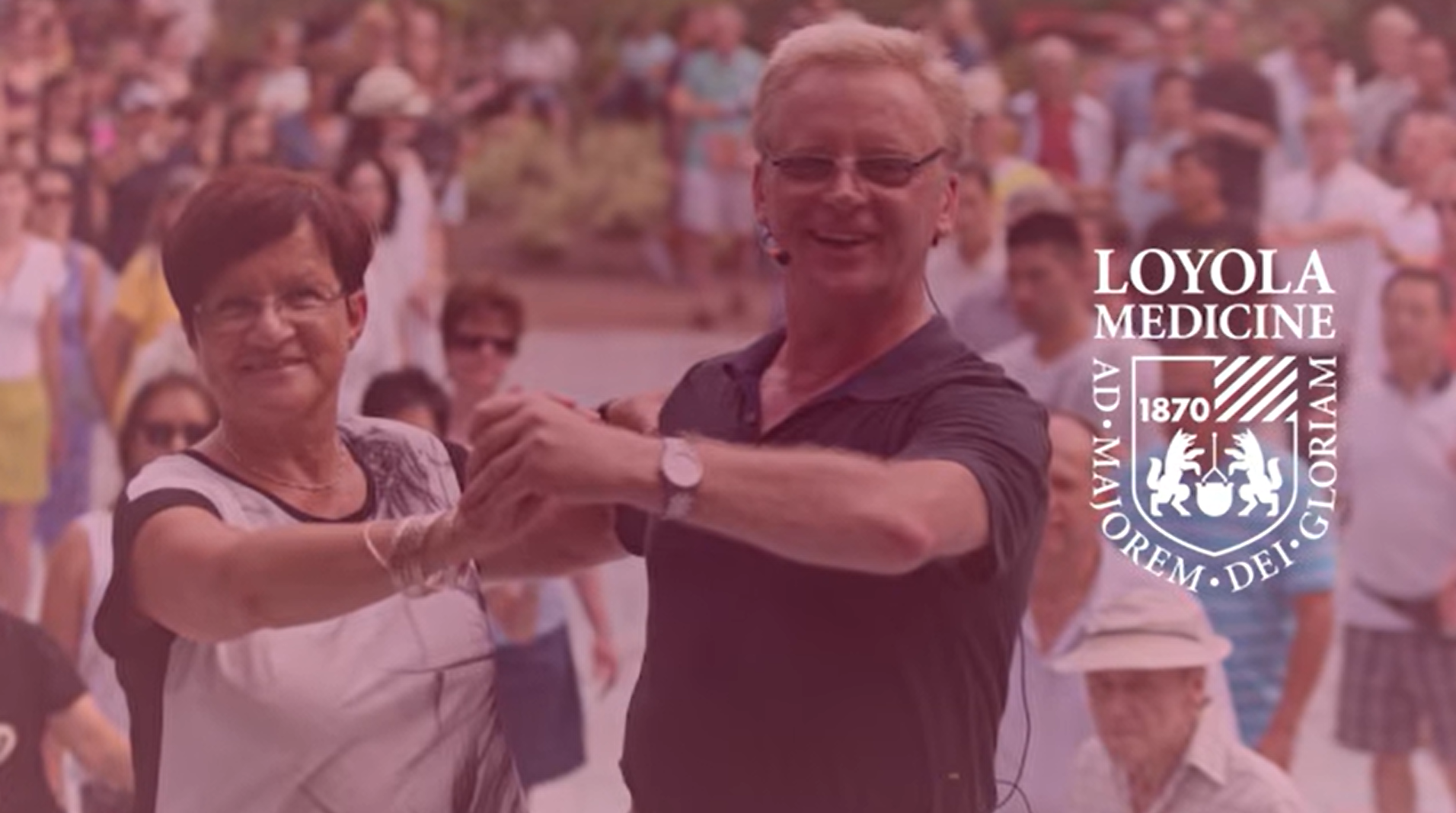
Categories: Heart & Vascular
For more than 50 years, dance has been Krzysztof Kasperowicz's passion and purpose. A former professional dancer from Poland and co-founder of Chicago's Kaspar Dance Studio, he built his life around the art form. After moving to Chicago, he opened a dance school to teach children in Polish and help preserve their culture and history. He even met his wife through dancing in Poland, and the couple has been partners for 45 years.
Nearly two years ago, Kasperowicz faced a diagnosis that threatened both his life and the future he had built through dance. After experiencing stomach pain, he visited his local emergency room, where a CT scan revealed a large abdominal aortic aneurysm measuring roughly three inches and at risk of rupture.
Comprehensive Aortic Center provides hope after an abdominal aortic aneurysm diagnosis
Doctors initially recommended emergency surgery that would require a large abdominal incision. While he understood the seriousness of the condition, Kasperowicz worried that an invasive procedure and lengthy recovery could prevent him from returning to the dance floor.
“I didn’t want somebody to cut me through my muscles,” said Kasperowicz. “I knew when it happened, it would be over for me, for my dancing career. I didn’t want to lose it. It was too much.”
After sharing those concerns, he was referred to Michael Soult, MD, a Loyola Medicine vascular surgeon, to explore less invasive treatment options.
An aortic aneurysm is a dilation of the aorta below the arteries that go to the kidneys. The artery weakens over time, and it dilates.
“If you think of it like a balloon, when it’s deflated, it’s nice and thick, but as the balloon inflates, it gets thinner and thinner and can ultimately pop. The same thing can happen to your aorta, which becomes a life-threatening condition,” said Dr. Soult.
Minimally invasive aneurysm repair offers an alternative to open surgery
Rather than removing the aneurysm, vascular surgeons treat it by placing a stent graft inside the aorta. The device creates a new pathway for blood flow, reducing pressure on the weakened artery wall. Over time, the aneurysm can shrink.
Using a customized endovascular approach designed specifically for Kasperowicz's anatomy, Dr. Soult and the Loyola Medicine team repaired the aneurysm with minimally invasive technology, allowing him to recover without the extensive surgery he feared.
“Taking care of patients with aneurysms is complicated, and by having the team and the infrastructure we do here at Loyola, we’re able to tailor our care specifically to the patient so that they can return to their quality of life again,” said Dr. Soult.
Back to dancing after life-saving aortic care at Loyola Medicine
Just a few weeks after the procedure, Kasperowicz was back to doing what he loves most: dancing and teaching. Nearly two years later, his aneurysm has shrunk, and he is living a healthier lifestyle while continuing to lead his dance school.
“Because of him, I’m here right now and in my school,” said Kasperowicz. “He saved my life. He saved my business. He saved my school. They proved with my own body that they know what they are doing.”
The Comprehensive Aortic Center at Loyola Medicine delivers advanced, multidisciplinary care for patients with aortic disease. From emergent and complex interventions to long-term monitoring and management, patients can expect to receive rapid access to the highest level of compassionate care.