
5 surprising ways your primary care provider can support your health
September 22, 2026
By: Brian Porter, MD
Categories: Primary Care, Health & Wellness
Tags: Preventive Health, stress management issues, mental health, anxiety, depression, Sleep, wellness
Many people think of a primary care provider (PCP) as the doctor they see for annual checkups or when they're sick. While preventive care and treatment of illness are important parts of primary care, PCPs also play a key role in identifying risk factors and diagnosing and treating emerging symptoms before they develop into more serious health issues.
Whether it's managing stress, improving sleep, addressing lifestyle concerns, or monitoring changes in health over time, primary care providers help you establish healthy habits and build a strong foundation for long-term well-being.
"People often only think of a primary care physician as someone they see once a year to check their general health. While that is one aspect of their job, a PCP is also a partner to the patient who is deeply knowledgeable about their health over time; that's invaluable for long-term outcomes," says Brian Porter, MD, internal medicine and pediatric specialist at Loyola Medicine.
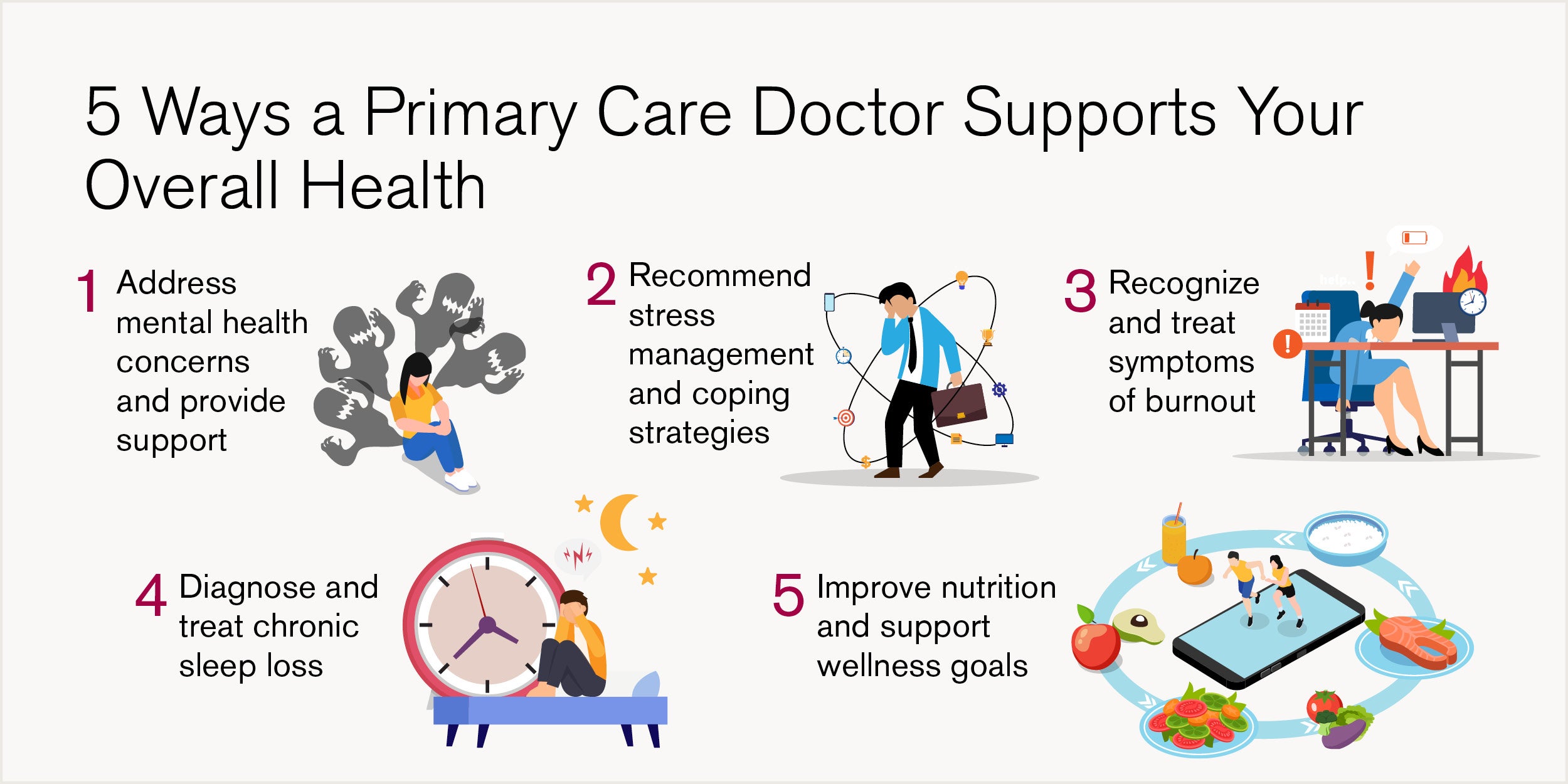
1. Mental health support starts with a conversation
Mental health is an important part of your overall health. Conditions such as anxiety and depression can affect many aspects of daily life. As many as one-in-five Americans struggle with anxiety, depression or both.
When it comes to mental and emotional well-being, many people assume they need to find a mental health specialist as a first step. However, a primary care provider is often an excellent place to begin. As a partner in your overall health, your PCP can help identify mental health concerns, discuss symptoms and recommend appropriate treatment options or referrals when needed.
Because they understand your health history and how physical, emotional and lifestyle factors can affect one another, PCPs are well positioned to provide support and guide you to the right resources. They can:
- Discuss symptoms of anxiety and depression
- Screen for mental health conditions
- Recommend treatment options
- Prescribe medication when appropriate
- Connect you with therapists, counselors or psychiatrists
Consider scheduling an appointment if you're experiencing persistent sadness, increased anxiety, difficulty concentrating, loss of motivation, or feeling overwhelmed on a regular basis.
"Your primary care physician wants to hear about any emotional or mental struggles you may be having. They aren't a therapist, but they can provide resources – whether that be referrals or prescriptions – that can help support your cognitive well-being," says Dr. Porter.
2. Managing stress before it affects your health
Stress is a part of everyday life, but ongoing stress can have a significant impact on both mental and physical health. It may contribute to fatigue, headaches, digestive issues, sleep problems, and other health concerns.
A PCP can help identify how stress may be affecting your overall health and recommend strategies to manage it more effectively. They can discuss exercise and lifestyle modifications, refer you to additional support services and recommend other healthy coping strategies. Rather than waiting until symptoms interfere with daily life, addressing stress early can help prevent long-term health consequences.
Primary care visits offer an opportunity to discuss stress openly and develop practical solutions that fit your lifestyle.
“While everyone experiences stress at some point in their lives, chronic stress affects the body, both physically and mentally, in numerous ways. A primary care physician can create a personalized plan to help lower stress and/or mitigate the health impacts,” says Dr. Porter.
3. Recognizing and preventing burnout
Burnout is increasingly common among many adults, including students, young professionals, caregivers and busy parents. While it's often associated with work, prolonged physical or emotional exhaustion can affect nearly every aspect of daily life.
Let your primary care physician know if you're feeling any of these symptoms:
- Ongoing fatigue
- Reduced motivation
- Difficulty focusing
- Increased irritability
- Feeling mentally or emotionally exhausted
Because burnout can share symptoms with medical and mental health conditions, a PCP can help determine what may be contributing to how you feel. They can also work with you to create a plan that supports recovery and promotes healthier habits moving forward.
4. Sleep concerns are worth addressing
Many people accept poor sleep as a normal part of a busy lifestyle. However, regularly struggling to fall asleep, stay asleep, or waking up feeling exhausted are signs you need help from your doctor. Chronic sleep loss can affect your energy levels, mood, concentration and overall health.
If sleep concerns are affecting your daily life, your primary care provider can help. During your visit, they may review your sleep habits and daily routines, evaluate potential causes and screen for common sleep disorders. Based on their findings, they can recommend treatment options or refer you to a sleep specialist if additional evaluation is needed.
5. Reaching nutrition and wellness goals
Eating healthy, exercising regularly and/or losing weight can be difficult. A primary care physician can help provide guidance and strategies to help you reach your nutrition and wellness goals. Whether you're trying to improve your nutrition or build healthier habits, your PCP can provide personalized guidance based on your health history and individual needs by:
- Assessing your nutritional needs
- Discussing realistic health goals
- Monitoring changes in your health
- Creating a plan that supports long-term success
"Patients are often taking on big lifestyle changes alone, like increasing exercise or eating healthier. They don't have to figure those things out themselves. A primary care physician can look at your health history and provide personalized recommendations that can make achieving those wellness goals a lot easier," says Dr. Porter.
Primary care at Loyola Medicine
At Loyola Medicine, board-certified primary care providers care for patients at every stage of life and offer convenient access through locations across the Chicago area. Whether you're looking to manage stress, address sleep concerns, prioritize your mental health or stay on top of preventive care, establishing a relationship with a PCP can help you take a more proactive approach to your health.
If you don't currently have a primary care provider, now is a great time to schedule an appointment and build a foundation for long-term health and wellness.