
How to find the right primary care physician
January 28, 2026
By: Mit Patel, MD
Categories: Primary Care, Health & Wellness
Tags: general well visit, Primary Care
Your relationship with your primary care physician is one of the most important connections you can make. Your doctor is not only there when you're ill, but they understand your health history and provide medical guidance that supports a healthier life. That’s why it’s critical to choose a provider who prioritizes your health and well-being. There are several types of primary care physicians, and all work to provide comprehensive care for you and your family.
"The most important factor is a strong personal connection. Patients should feel confident that their concerns are being heard and addressed,” says Mit Patel, MD, family medicine doctor at Loyola Medicine.
Tip #1: Know the types of primary care physicians
A primary care physician is someone you visit on an annual basis to manage your health as you age. This consistent relationship helps them understand your specific needs and ensures they are your “go-to” doctor when you’re sick or have questions. There are several different types of primary care providers, and the one you choose will depend on your specific needs.
- Family medicine doctors: Provide continuing comprehensive primary care to patients of all ages, and can care for the entire family. Family physicians focus on holistic, preventive wellness while also managing acute and chronic medical conditions.
- Internal medicine doctors (Internists): Physicians trained in internal medicine specialize in caring for adult and geriatric patients. An internist is trained to diagnose and treat complex illnesses, as well as provide preventive services.
- Internal medicine-pediatric doctors: These physicians have completed a combined residency program in internal medicine and pediatrics. They provide both preventive care and treatment for complex medical conditions in adults and children.
- Pediatricians: Pediatric physicians specialize in the treatment of newborns, infants, children and adolescents, planning holistic care until adulthood. They provide preventive health services as well as care for acute and chronic illness.
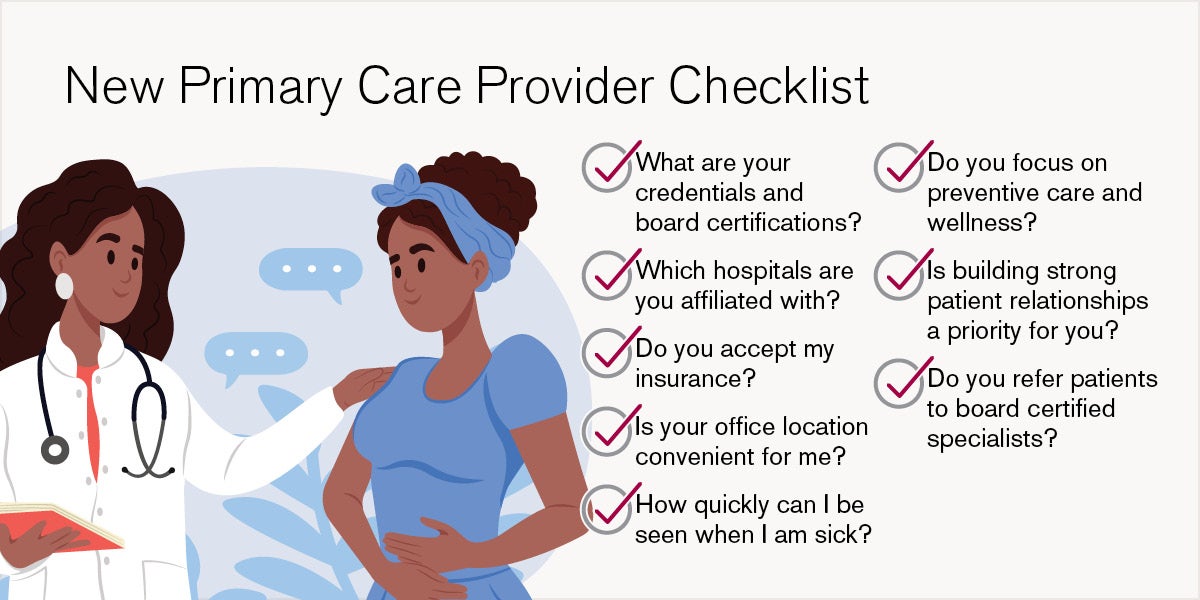
Tip #2: Check provider credentials and accepted insurances
Once you’ve decided which type of primary care physician is right for you, it's time to understand their credentials and double check accepted insurance. Many health systems, including Loyola Medicine, have physician profiles that showcase their education, training, certifications and personal details that help a patient learn more about them.
While doctors must be licensed in the state in which they practice, they also earn certifications from boards that set standards for medical specialties, such as internal medicine, pediatrics and family medicine. To maintain board certification, doctors must stay up-to-date on the latest advances in medicine.
Next, make sure the doctor you want to see accepts your insurance. Insurance companies usually have a list of physicians who accept their insurance, but it's good to double check. Contacting the doctor’s office is the best way to make sure that your insurance is accepted.
Tip #3: Keep location, hospital affiliation and more in mind
Keep the doctor’s location and hospital affiliation in mind. If you find the perfect primary care physician, are they accessible? Decide whether a longer drive to their office location is worth it or if a shorter travel distance is best for your health needs.
Also consider whether the doctor is employed by or can admit patients to the hospital you prefer. Having a strong connection with a hospital system can make getting tests, medications or, if necessary, admitted much easier.
"Certificates and training are, obviously, important. However, most medical training is standardized so what truly matters is finding a physician who makes you feel comfortable and whose office is accessible when you need care,” says Dr. Patel.
Tip #4: Don’t be afraid to change primary care doctors
Choosing a primary care provider is a lot like choosing a therapist. While the first one you see may work out, it’s entirely possible you will have to speak with multiple doctors before finding the perfect fit. Some things to keep in mind are:
- Are you comfortable around them?
- Is the doctor actively listening and making you feel heard?
- Do they have appointment accessibility, or are they always booked?
- Do they offer digital tools like virtual and telehealth visits?
If the primary care physician does not meet these parameters, don’t feel bad about finding someone else, no matter the reason. Perhaps you decided it’s easier for you to talk to a female doctor or you want someone younger (or older). The most important thing is for you to feel comfortable and open while talking to your physician.
“Choosing a primary care doctor is a personal decision. If you don’t feel heard or comfortable after a visit, it’s okay to look for someone else. The right fit makes it easier to build trust and maintain your health over time for both you and the doctor,” says Dr. Patel.
Book an appointment today to see any of our board certified, primary care physicians by self-scheduling an in-person or virtual appointment using MyChart.