Heart disease is the leading cause of death in the U.S. and one in five people will die from a heart-related condition. It is estimated that greater than 75% of heart disease can be prevented through a healthy lifestyle (staying active, weight management, avoiding smoking and excessive alcohol consumption, and a healthy diet).
“Your diet plays an important role in the development of heart disease. Many people ignore their diet until they develop cardiovascular symptoms later in life. However, a condition like atherosclerosis, or hardening of the arteries, actually begins in your teens,” says Loyola cardiologist Sandeep Rajan Mehta, MD. “Adopting a heart healthy diet when you are young can help you live longer and healthier.”
Easy steps for adopting a heart healthy diet
Making changes to your diet can be challenging and overwhelming. However, it’s easier when you break down those changes into several simple steps, focusing on whole foods and common-sense choices.
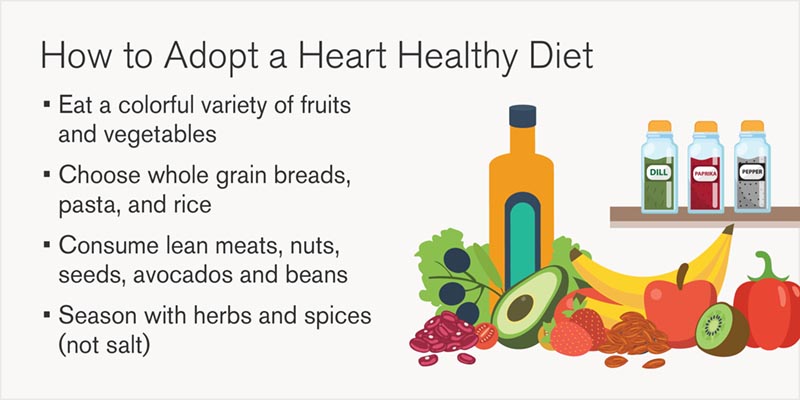
Eat more fruits and vegetables
Fruits and vegetables are excellent sources of vitamins and minerals. Most are low in calories and packed with dietary fiber. Many of the nutrients in fruits and vegetables help reduce blood pressure, lower cholesterol and prevent cardiovascular disease.
There are also two types of cholesterol, known as LDL and HDL. The former contributes to a thick, hard substance in your arteries called plaque. The latter helps carry LDL through the arteries, to the liver and out of your system. By eating more fruits and vegetables, you can avoid foods that contribute to LDL levels.
Choose whole grain carbohydrates
Whole grains are rich in fiber and other nutrients that can improve your heart health. When fiber is consumed, it helps improve blood cholesterol levels and lowers the risk of heart disease, stroke and other conditions. Good sources of whole grains include:
- Barley
- Brown rice
- Oatmeal
- Quinoa
- Whole wheat flour
When shopping, look for products made with 100% whole wheat or whole grain flour. Some foods say they are whole wheat, but only have a fraction of whole grains.
Carbohydrates to avoid include foods such as white bread, white rice, pasta, crackers, sweets and baked goods.
Limit unhealthy fats
Unhealthy fats, including saturated and trans fats, are strongly linked to coronary artery disease. You’ll find saturated fats in animal-based foods, such as meat, full-fat dairy, coconut and palm oils. Trans fats are common in fried foods, processed foods and margarine.
Some fats, such as monounsaturated fats, can lower your heart disease risk. Foods that contain monounsaturated fats include nuts, seeds, avocados and olive, canola and vegetable oils. Dr. Mehta recommends replacing unhealthy fats with heart-healthy fats to support cardiovascular health.
Other tips to reduce “bad” fats in your diet include:
- Avoid foods with “partially hydrogenated oils” in the ingredient list
- Choose lean meat, fish and low-fat dairy products
- Substitute meat with tofu or legumes such as beans, chickpeas or lentils
- Reduce salt
Excess salt (sodium) in your diet can increase your blood pressure, which is a risk factor for heart disease. The American Heart Association recommends no more than 2,300 milligrams of sodium per day, and less than 1,500 milligrams a day if you can.
“Salt is everywhere,” says Dr. Mehta. “It's important to look for low-salt items when you shop. Also, try substituting herbs and spices for salt or using low-sodium seasonings to add flavor to your food.”
Watch your calories
Excess weight can increase your risk of diabetes, high blood pressure and heart disease. One good resource for learning the food groups and appropriate portion sizes is MyPlate.
“Even when you eat healthy foods, it’s important not to overeat,” says Dr. Mehta. “Knowing what and how much to eat is a skill everyone should learn.”
Proven heart healthy diet plans
Most popular diet plans focus on weight loss rather than heart health. Two diets that have proven heart health benefits include the Mediterranean and DASH (dietary approaches to stop hypertension) diets. These diets may also reduce your risk of other diseases such as diabetes, stroke, cancer and even depression.
Mediterranean diet
The Mediterranean diet emphasizes foods people traditionally eat in the Mediterranean region, like Greece. These foods include:
- Fruits and vegetables
- Fish, seafood and poultry in moderation
- Legumes
- Low-fat dairy
- Nuts and seeds
- Olive oil
- Whole grains
Foods to limit include anything processed as well as red meat, sweets and refined carbohydrates.
“The Mediterranean diet has a range of flavorful foods you can eat and is relatively easy to adopt and maintain,” says Dr. Mehta.
DASH diet
Doctors developed the DASH diet in the 1990s to treat high blood pressure without medication. It is like the Mediterranean diet but also emphasizes lowering salt intake. The main theme of the DASH diet is natural, unprocessed foods, with doctors giving recommendations for daily servings of certain food groups, such as low-sodium foods, fruits, vegetables and low-fat dairy.
Whole-food plant-based diet
Some people may prefer to focus almost exclusively on plant-based foods. This type of diet centers on legumes, grains and vegetables to maximize fiber, eliminate dietary cholesterol and limit animal products.
Heart healthy diet tips
Maintaining a healthy heart diet requires patience and persistence. Whether you’re just starting out or need a little help getting back on track, these simple suggestions can help:
- Cook from scratch: Restaurant meals and ready-to-eat foods often have high salt, high fat or both. When you prepare your own food, you have more control over what you eat.
- Plan your meals: Meal planning takes the decision out what to eat and prevents you from resorting to processed foods or a last-minute fast food run.
- Shop smart: Being a savvy shopper means reading labels and avoiding processed foods. Be sure to eat before you go, as shopping on an empty stomach can lead to impulse purchases.
- Treat yourself (once in a while): Everyone has cravings. If you long for a food, it’s okay to occasionally treat yourself.
What are examples of heart-healthy superfoods?
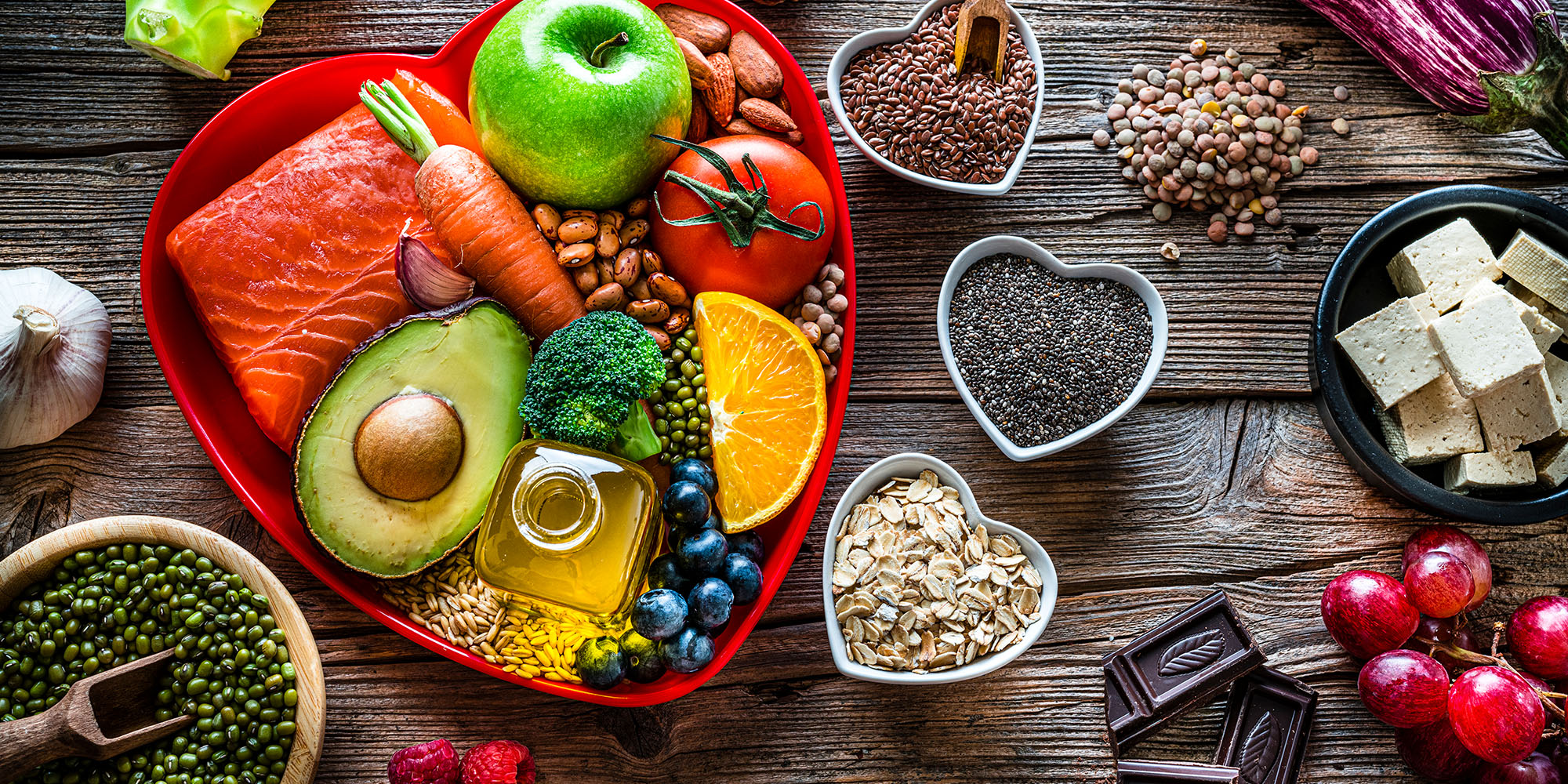
Superfoods are packed with heart healthy nutrients. It's recommended to maximize the following superfoods in your diet:
- Avocados
- Beans and chickpeas
- Berries such as blueberries, strawberries and blackberries
- Fish, such as salmon, cod and canned, light tuna
- Leafy green vegetables such as spinach and kale
- Olive oil and garlic
- Seeds, such as chia, flax and hemp seeds
- Tomatoes
- Whole grains
Many nuts and seeds are powerful for improving heart health. Whether it's almonds, pecans, walnuts or any other type, eating 15 grams of nuts and seeds (1 to 2 tablespoons) per day decreases the risk of coronary heart disease by 20%.
Preventive cardiology at Loyola Medicine
Prevention is the best medicine when it comes to heart disease. Loyola’s preventive cardiology and lipid program is for patients who need help lowering their risk for cardiovascular disease. Prevention requires a multidisciplinary approach not only with your primary care team and your cardiologist but also utilizing nutritionists, exercise therapists, weight management clinics and psychologists to create personalized prevention plans that address risk factors before they lead to serious heart conditions.
To make an appointment with the preventive cardiology and lipid program, call 888-584-7888.