Mother and daughter overcome leukemia with lifesaving cord blood transplants
September 20, 2026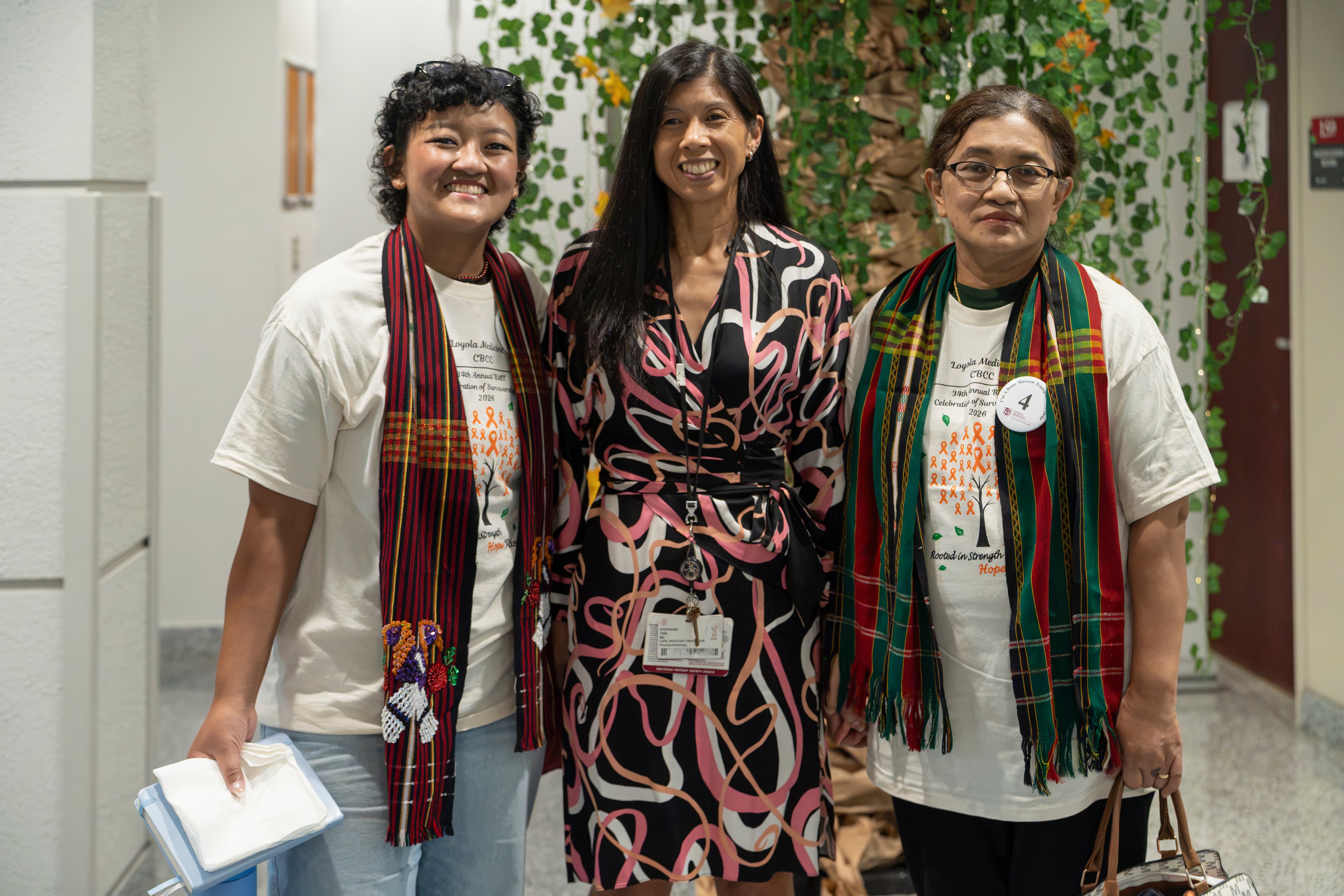
Categories: Transplant
Tags: leukemia, bone marrow transplant, cord blood transplant , acute myeloid leukemia
In 2021, Sarah Lian’s mother, Cin Huai, was diagnosed with acute myeloid leukemia (AML), a type of cancer that arises from a person’s bone marrow. Three years later, Lian was shocked to receive the same diagnosis. Both women were given a second chance at life through transplants made possible by donated umbilical cord blood, a critical option for patients from underrepresented racial and ethnic backgrounds who often face limited access to matched bone marrow donors.
Huai is Burmese and speaks limited English. After her diagnosis, daughter Lian became her mother’s primary caregiver. COVID restrictions and isolation necessitated by her immunocompromised state made Huai’s treatment particularly challenging for Huai, her husband and three daughters.
Although Huai's leukemia initially went into remission, her best chance for long-term survival was a bone marrow transplant. When Loyola Medicine hematologist Stephanie Tsai, MD, searched the donor registry, no suitable match was available.
Cord blood transplant: A lifesaving option when no donor match is available
Dr. Tsai recommended an expanded cord blood transplant (CBT), an alternative to a traditional bone marrow transplant. The procedure uses stem cells collected from a newborn's umbilical cord and placenta, which are donated to benefit others. Because cord blood stem cells do not require as close a tissue match as adult donor cells, they can be a lifesaving option for patients who are unable to find a matched bone marrow donor. Once transplanted, the cells engraft in the recipient’s bone marrow, where they develop into healthy blood and immune cells that can help eliminate any remaining leukemia cells.
Finding a match can be especially difficult for minorities, including patients of Asian descent. When identifying a compatible donor, doctors look for a close match in cell surface proteins, specifically the human leukocyte antigen (HLA) type. A patient’s ethnic background plays a large role in finding a match. According to the National Marrow Donor Program (NMDP), only 6% of registered potential donors identify as Asian, Native Hawaiian, or Pacific Islander (AANHPI). Asian patients have a 47% chance of finding a match compared to 79% for white patients.
Haui’s transplant was performed in August 2022. Her one-year bone marrow biopsy showed no disease, and she continued to recover and was able to return to her normal routine.
Following her mother's path: A second AML diagnosis
With her mother’s health improving, Lian felt comfortable returning to her everyday life. She went back to school and got married. In September 2024, Lian began feeling very sick intermittently for months. After her local urgent care ran some tests, they recommended that she go to the emergency room. A bone marrow biopsy determined that Lian had AML, just like her mother.
Lian recalls being shocked by her diagnosis. “I was 22 years old and my husband and I had only been married for about six months,” said Lian.
Further testing revealed that Lian and her mother did not share the same genetic markers for leukemia, indicating that their AML diagnoses were unrelated. In a remarkable coincidence, both women developed the rare blood cancer independently. After her diagnosis, Lian requested to be transferred to Loyola University Medical Center for treatment. “The nurses and everyone were so great with my mom,” said Lian. “They were so sweet, so genuine, so caring, and I really wanted to be there because I knew this team, and I really trusted this team.”
Celebrating second chances after acute myeloid leukemia treatment and recovery
Lian received her cord blood transplant in July 2025 – shortly after FDA approval of technology that expands the cell dose of cord blood, speeding the process where healthy stem cells from a transplant travel to the bone marrow, settle in and begin making new blood cells. Her mom had received it several years before as part of an expanded access protocol. She and her mother now share matching scars from their transplants.
“It’s brought us closer together,” said Lian. “Being in her shoes, I can’t imagine how much harder it was for her with the COVID restrictions and the language barrier. I think about that a lot.”
"It is already incredibly inspiring to see one person overcome a life-threatening leukemia and go on living her life,” said Dr. Tsai. “It's extraordinarily even more so to see her daughter follow and succeed in the same path."
"Not so many years ago, neither of these women may have had an acceptable donor to undergo a transplant,” said Dr. Tsai. “Today, we have options at our fingertips to provide these life-saving procedures."
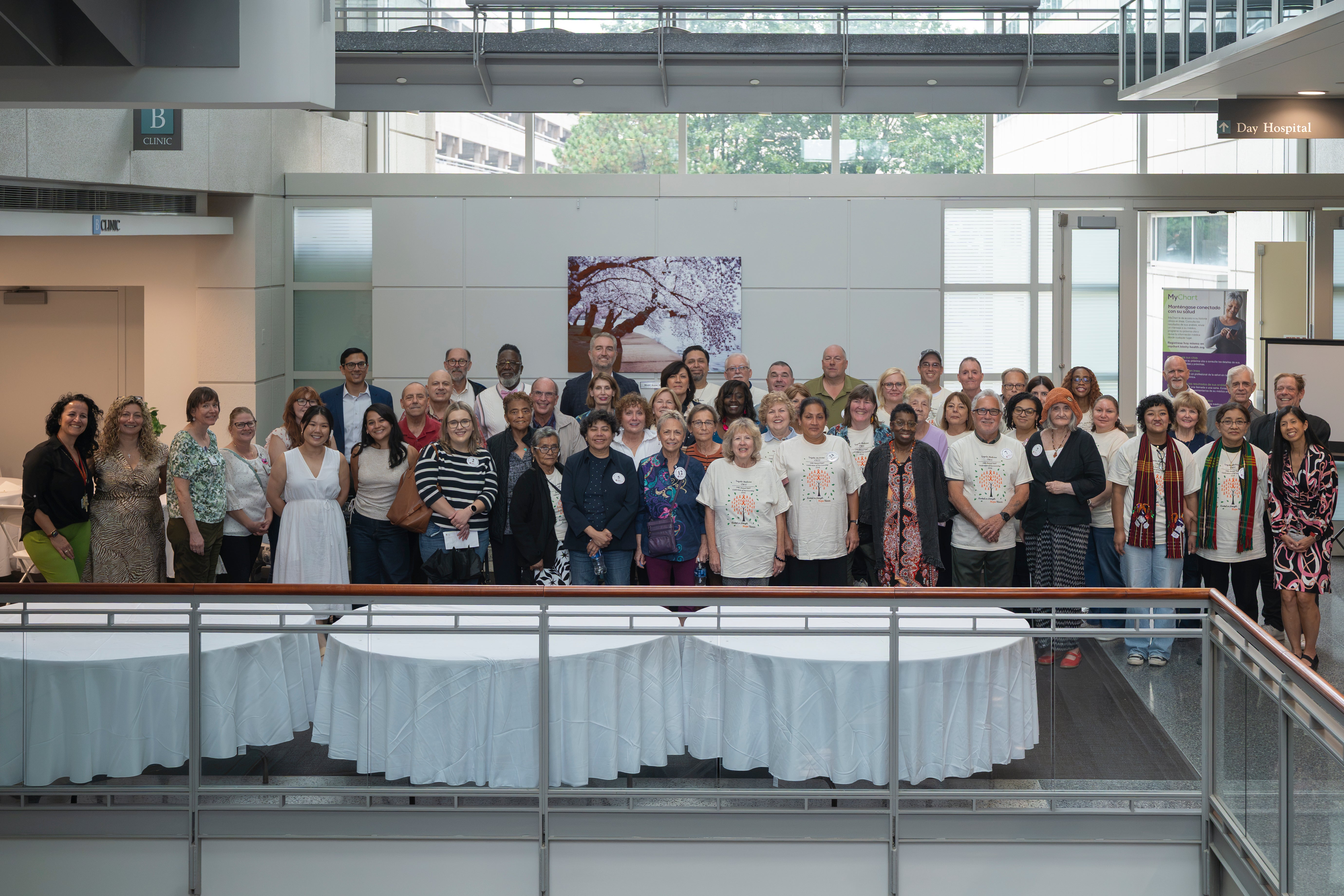
Lian and Huai shared their story at Loyola Medicine's 34th annual Bone Marrow Transplant Celebration of Survivorship, where transplant recipients, families and care teams gather to celebrate survivorship and recognize the donors who make life-saving transplants possible.