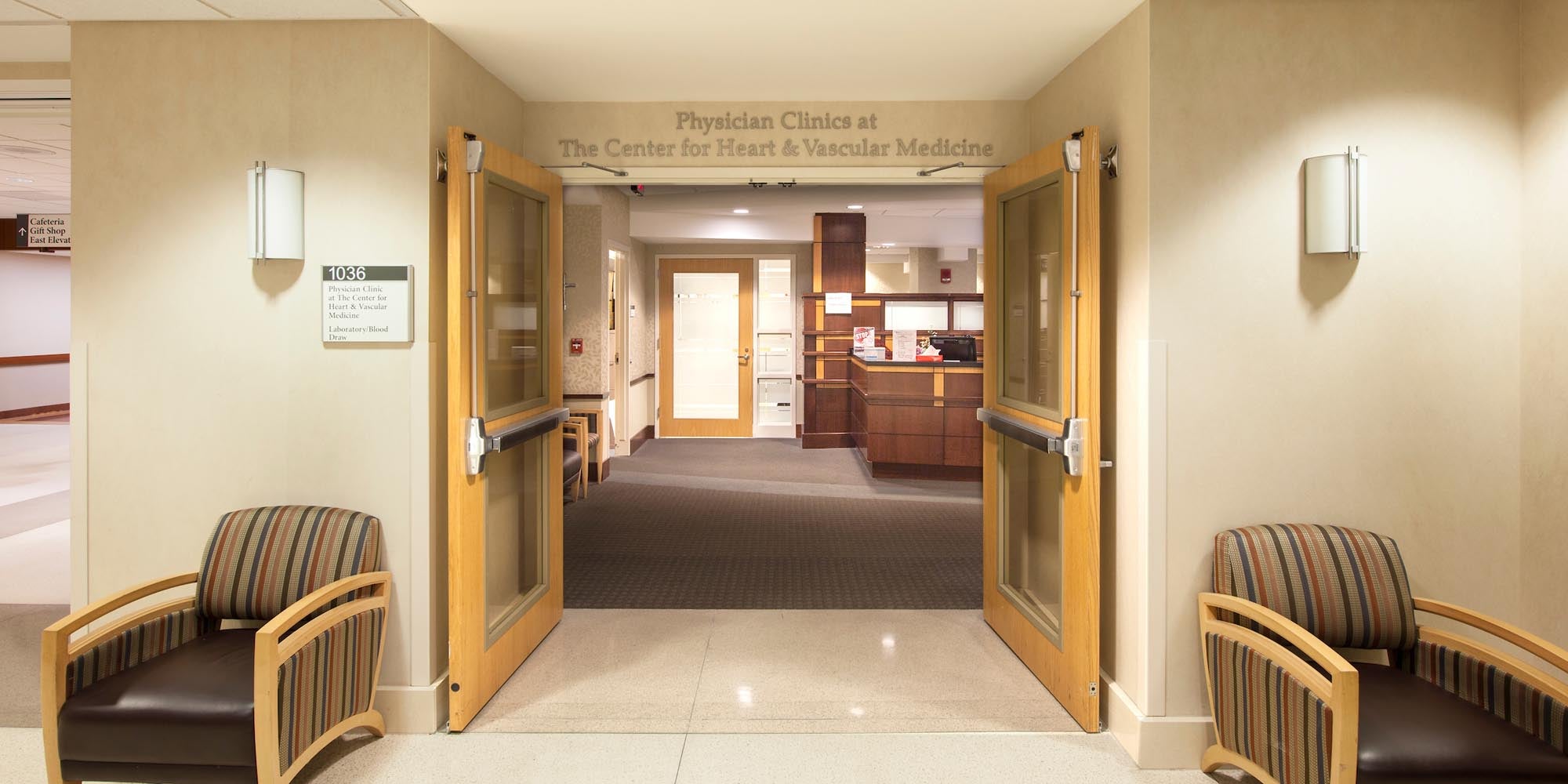
Innovative Surgical Techniques to Treat Vascular Diseases
While some vascular diseases require open vascular surgery to clear blockages, others may be treatable with minimally invasive, endovascular surgery. Endovascular, or surgery “within” your blood vessels, provides an alternative to traditional open surgery and often results in less recovery time.
At Loyola, our multidisciplinary team provides advanced treatment options for vascular diseases while delivering personalized, evidence-based care to ensure optimal outcomes.
Why Choose Loyola for Vascular Surgery & Endovascular Therapy?
Comprehensive, collaborative care: Our team includes board-certified vascular surgeons with expertise in both traditional and minimally invasive techniques, working in close partnership with specialists across radiology, cardiology, nephrology, and wound care to provide truly multidisciplinary care.Advanced techniques, tailored to you: We offer a full range of surgical and catheter-based therapies, including complex aneurysm repair and limb salvage interventions, customized to your needs and health goals.Education and support at every step: We are committed to keeping you informed and supported throughout your journey. From your first consultation to post-operative care, you’ll have access to educational resources, personalized instructions, and easy-to-understand materials to help guide your decisions and recovery.Academic excellence, community focus: As an academic medical center, Loyola combines leading-edge innovation with compassionate care close to home—bringing the benefits of research-driven medicine to every patient we serve.
Experienced, Multidisciplinary Vascular Disease Team
Vascular disease can encompass many different conditions affecting the health of the arteries and veins. Management of vascular disease requires a highly-skilled, clinically-integrated team with expertise in vascular disease screening and medical management in addition to endovascular and surgical intervention.
From common conditions, such as aortic aneurysms, peripheral artery disease, venous insufficiency, and carotid artery disease, to more rare vascular diseases, the Vascular Surgery team at Loyola Medicine delivers solutions to ensure patients have access to comprehensive vascular disease care and lifelong surveillance to optimize their vascular health.
Diagnosis of Vascular Diseases
Loyola employs leading-edge diagnostic tools to identify and evaluate vascular conditions early, accurately, and noninvasively. We offer:
Vascular ultrasound
Computed tomography angiography
Magnetic resonance angiography
Digital subtraction angiography
Ankle-brachial index and toe-brachial index testing
Each evaluation informs individualized treatment strategies that address the condition—and the whole patient.
Treatment of Vascular Conditions
Our therapeutic approach to treatment is as multifaceted as the vascular diseases we treat:
Minimally invasive (endovascular) procedures:
Angioplasty, stenting, thrombolysis, embolization, filter placement/removal
Open surgical techniques:
Bypass grafting
Endarterectomy
Aneurysm repair
Hybrid and multimodal interventions:
Combining open and endovascular methods when clinically indicated
Supportive & adjunctive therapies:
Hemodialysis access maintenance and revision
Lower extremity revascularization and wound care
We follow all patients with routine surveillance and coordinated care to prevent recurrence and maintain long-term vascular wellness.
Vascular Diseases Treated
Vascular disease is categorized by the area of the body that is affected:
Peripheral Arterial Disease
Peripheral arterial disease is a common circulatory condition in which narrowed arteries reduce blood flow to the limbs, most often the legs. It is primarily caused by atherosclerosis, where fatty deposits build up in the arterial walls. This reduced blood flow can lead to symptoms such as leg pain when walking (claudication), numbness, and in severe cases, non-healing wounds or gangrene. Treatment options include:
Endovascular therapies such as peripheral stenting and balloon angioplasty
Leg bypass surgery
Femoral endarterectomy
Cerebrovascular Disease
Cerebrovascular disease refers to a group of conditions that affect blood flow to the brain, including stroke or transient ischemic attacks. These conditions can result from blocked, narrowed, or ruptured blood vessels and may lead to brain damage, disability, or death if not treated promptly. Surgical treatment options include:
Carotid endarterectomy
Carotid artery stenting
Carotid body tumor resection
Surgery for carotid artery aneurysms
Aortic Aneurysm (Thoracic and Abdominal)
An aortic aneurysm is a bulging or dilation in the wall of the aorta, the body’s main artery. It can occur in the chest (thoracic aortic aneurysm) or abdomen (abdominal aortic aneurysm). These aneurysms often develop slowly and without symptoms but can be life-threatening if they rupture. Risk factors include high blood pressure, smoking, and genetic predisposition. Treatment options include:
Open aneurysm repair
Endovascular aneurysm repair (EVAR)
Fenestrated or complex endovascular aneurysm repair (FEVAR)
Hemodialysis Access
Hemodialysis access refers to the surgical creation of a site through which blood can be removed and returned during dialysis treatment for kidney failure. The main types of access are arteriovenous (AV) fistulas, AV grafts, and central venous catheters. Proper access is critical for effective dialysis and minimizing complications such as infection or clotting.
Venous Disease
Venous disease encompasses a range of conditions that affect the veins, including varicose veins, chronic venous insufficiency, deep vein thrombosis (DVT), and venous ulcers. These conditions often result from damaged vein valves, leading to poor blood return to the heart, swelling, skin changes, and increased risk of clots.
Vein ligation & stripping
Endovascular ablation
Phlebectomy
Sclerotherapy
Venous thrombectomy
Vena cava filter placement & removal
Mesenteric & Renal Artery Disease
This rare condition involves the narrowing or blockage of arteries that supply blood to the intestines (mesenteric) or kidneys (renal), typically due to atherosclerosis. Reduced blood flow can cause abdominal pain after eating, weight loss, high blood pressure, or kidney dysfunction. Severe cases may lead to organ damage or failure. Treatment options include:
Mesenteric artery bypass or stenting
Renal artery bypass and stenting
Other Vascular Conditions
Popliteal artery entrapment syndrome
Adventitial cystic disease
Thoracic outlet syndrome
May–Thurner syndrome
Nutcracker syndrome
Vascular Surgery and Endovascular Therapy Resources
At Loyola Medicine, we believe that informed patients make empowered decisions. That’s why we offer a wide range of educational resources to support you before, during and after your care. From answers to frequently asked questions and downloadable guides to instructional videos and condition-specific handouts, our resources are designed to help you better understand your diagnosis, prepare for procedures, and navigate recovery with confidence.
Downloadable Resources:
Vascular Health Flyers | Society for Vascular Surgery