Loyola Lung transplant recipient visits every U.S. national park
August 31, 2026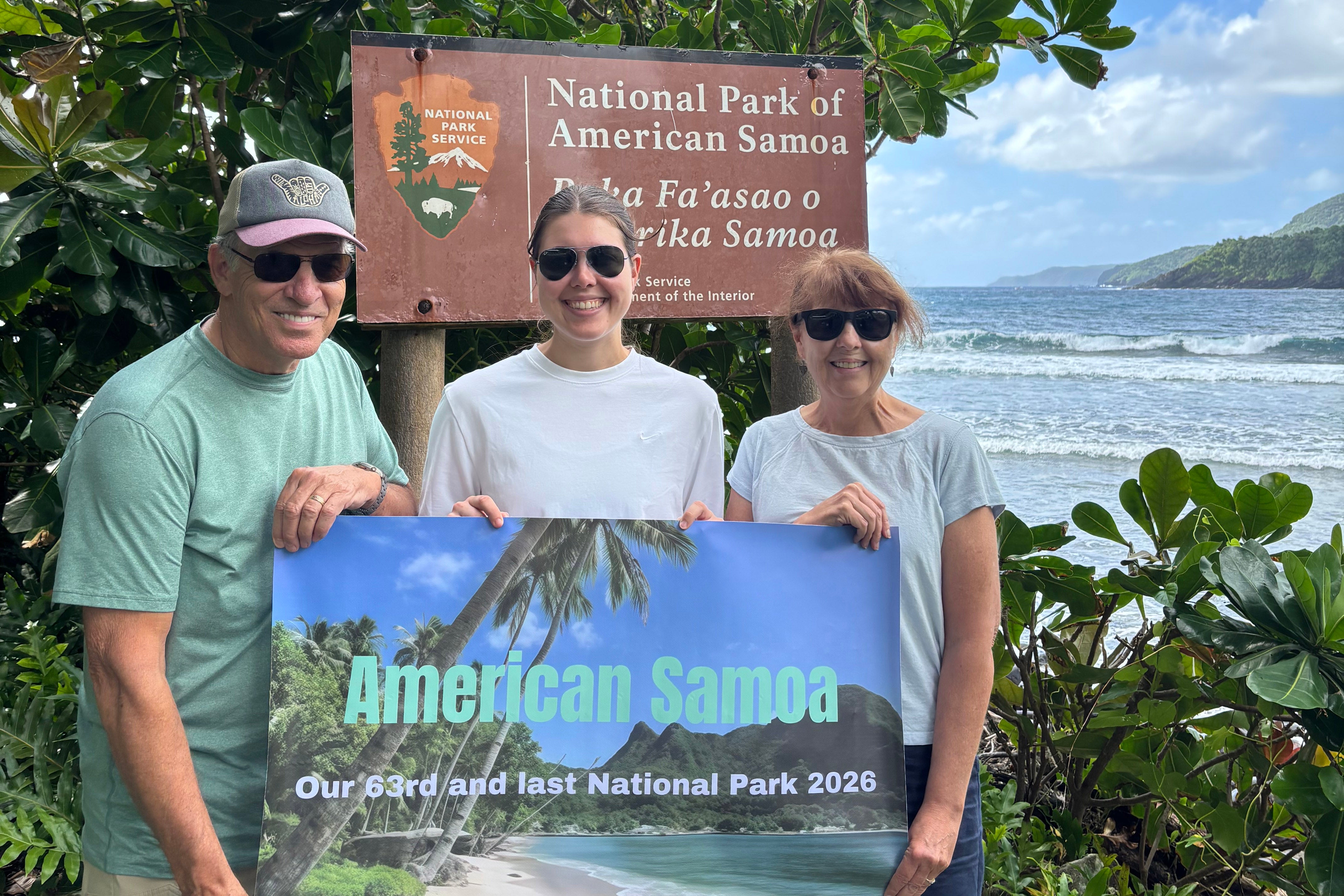
Categories: Transplant
In 2016, Carol Rivers entered the hospital, knowing her body was failing. She was put on life support until she could receive a life-saving double lung transplant. Now, after celebrating her 10-year “lung-a-versary", Rivers visited her 63rd and final U.S. national park more than 6,500 miles from home in American Samoa.
In 2012, Rivers was diagnosed with a rare, inherited form of pulmonary fibrosis caused by a mutation in the telomere gene that damages lung cells. Pulmonary fibrosis is a progressive disease that causes scarring and stiffness in the lungs, making it increasingly difficult to breathe. Over the next three years, her health began to deteriorate. “My doctor said it was time for me to meet with a transplant doctor, which shocked me because I still felt great,” said Rivers.
From pulmonary fibrosis diagnosis to a lifesaving double-lung transplant at Loyola
Six months after her initial appointment with Daniel Dilling, MD, medical director of Loyola's lung transplant program and an expert in pulmonary fibrosis, Rivers received a call that her oxygen numbers were low, and she needed to return to the hospital. In December 2015, Dr. Dilling encouraged Rivers to begin the testing process for a transplant. “I was very reluctant”, said Rivers. “But of course, he was absolutely right because within a couple of months, I was on oxygen full time and starting to get really, really sick.”
By April, Rivers had risen to the top of the transplant list. Determined to celebrate Mother's Day with her daughter, she held on as long as she could. The following Monday, after dropping her daughter off at school, Rivers called her pre-transplant coordinator and said she felt her body was giving out. She admitted herself to the hospital and, within two days, required intubation and life support. An extracorporeal membrane oxygenation, or ECMO, machine took over the work of her heart and lungs while she awaited a transplant.
After three days on life support, Rivers received a double-lung transplant on May 15, a date that carried special significance as it marked the 11th anniversary of her mother's death from pulmonary fibrosis.
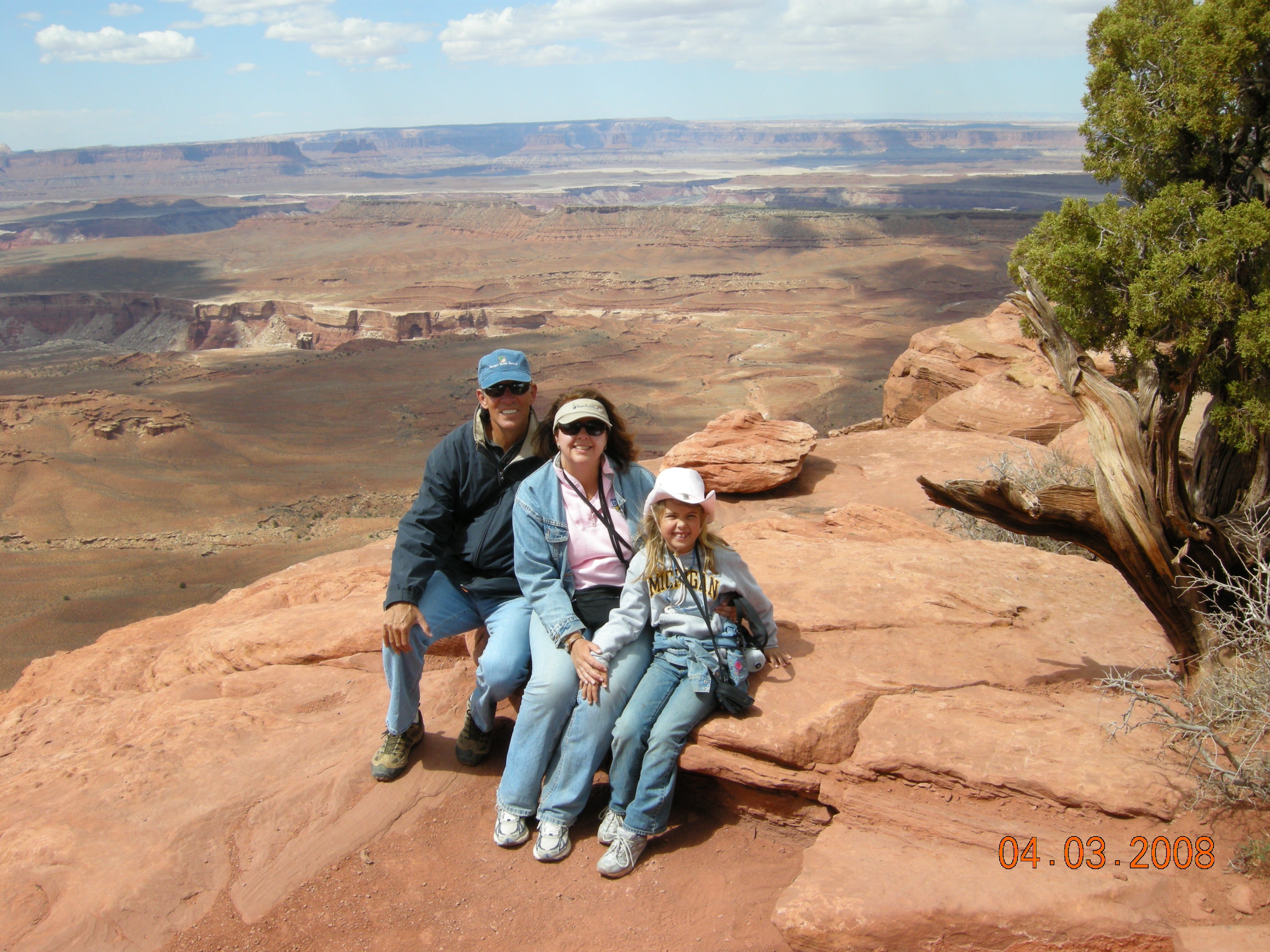
Her mother loved being outdoors and visiting national parks. A passion passed down to Rivers and, eventually, to her daughter, Jolie. When Jolie was three, the family lived in Bermuda and started visiting U.S. national parks. “It became our go-to vacation, going to a few parks in the states we were visiting,” said Rivers. “About three-fourths of the way through, we realized we had done a lot of parks, and we decided to see if we could do them all.”
10 years after transplant, patient completes journey to all 63 national parks
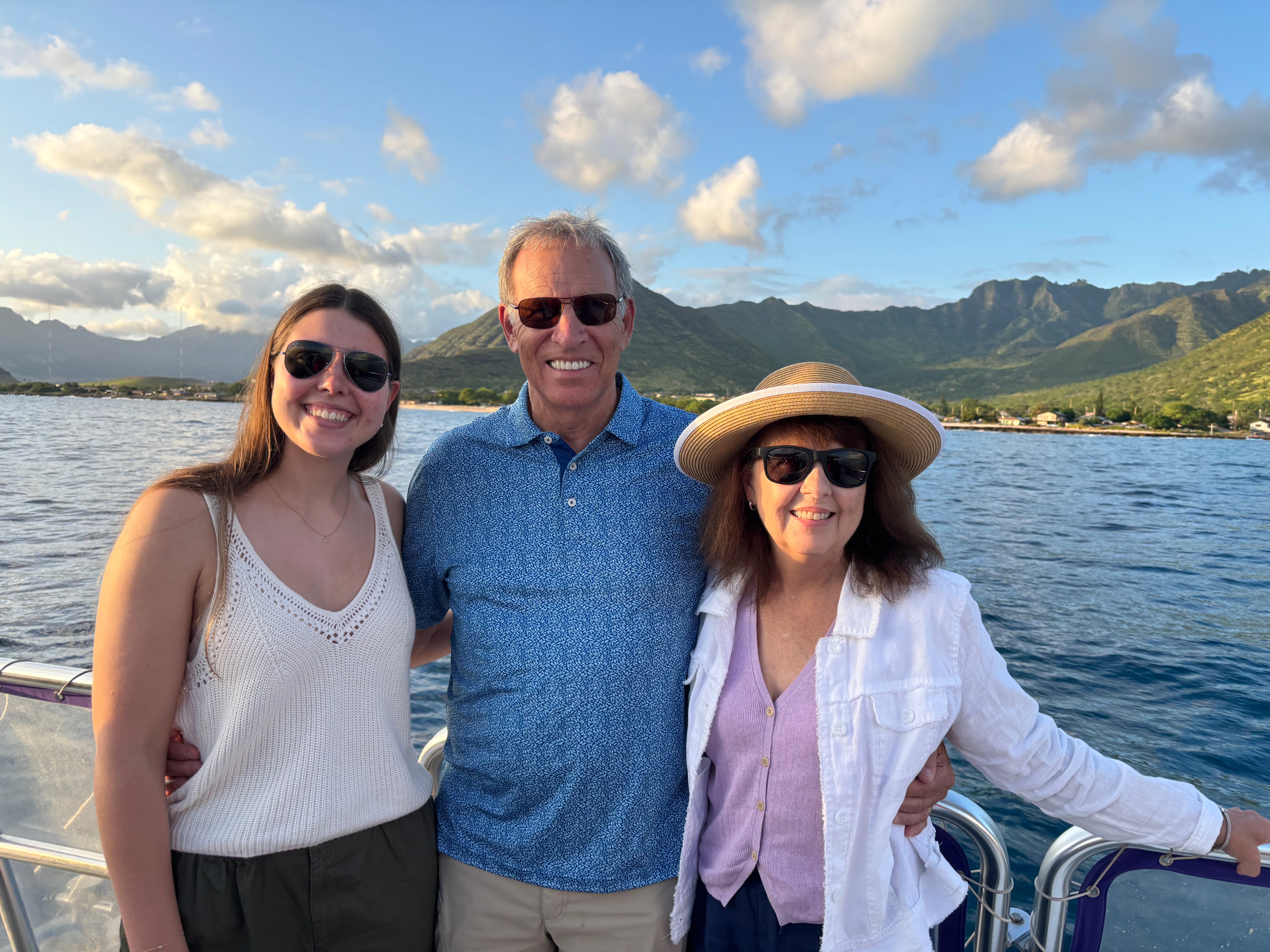
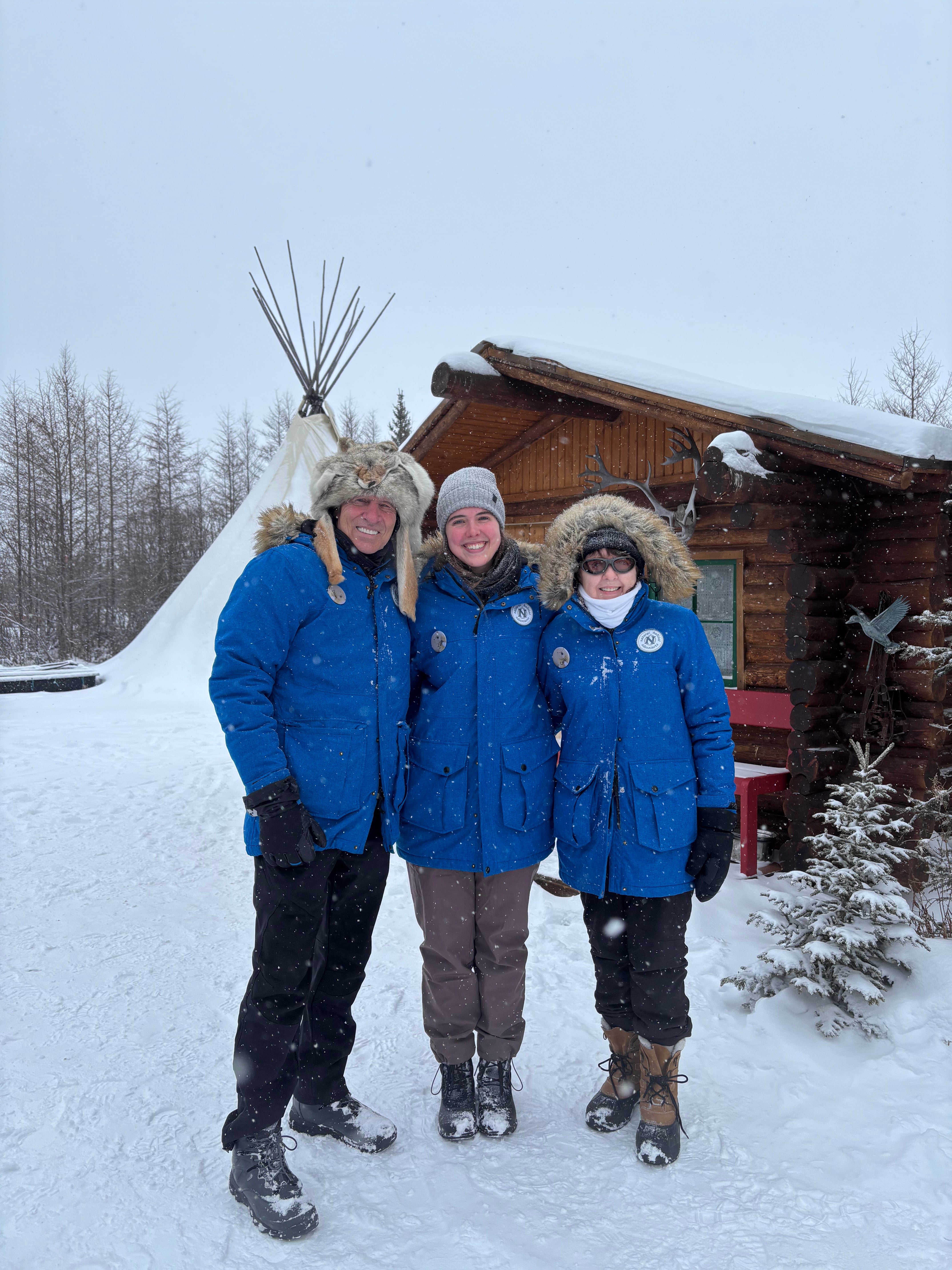
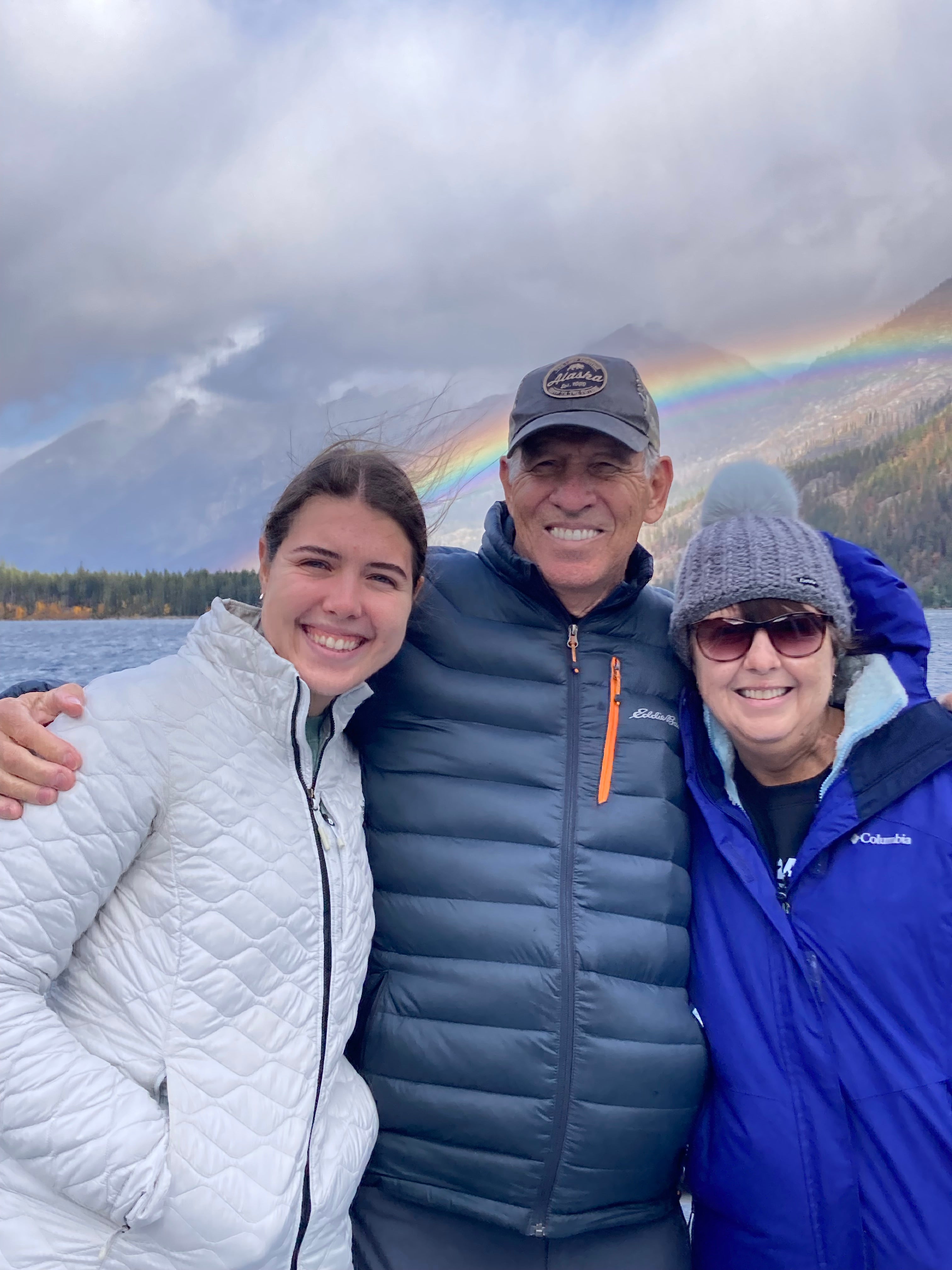
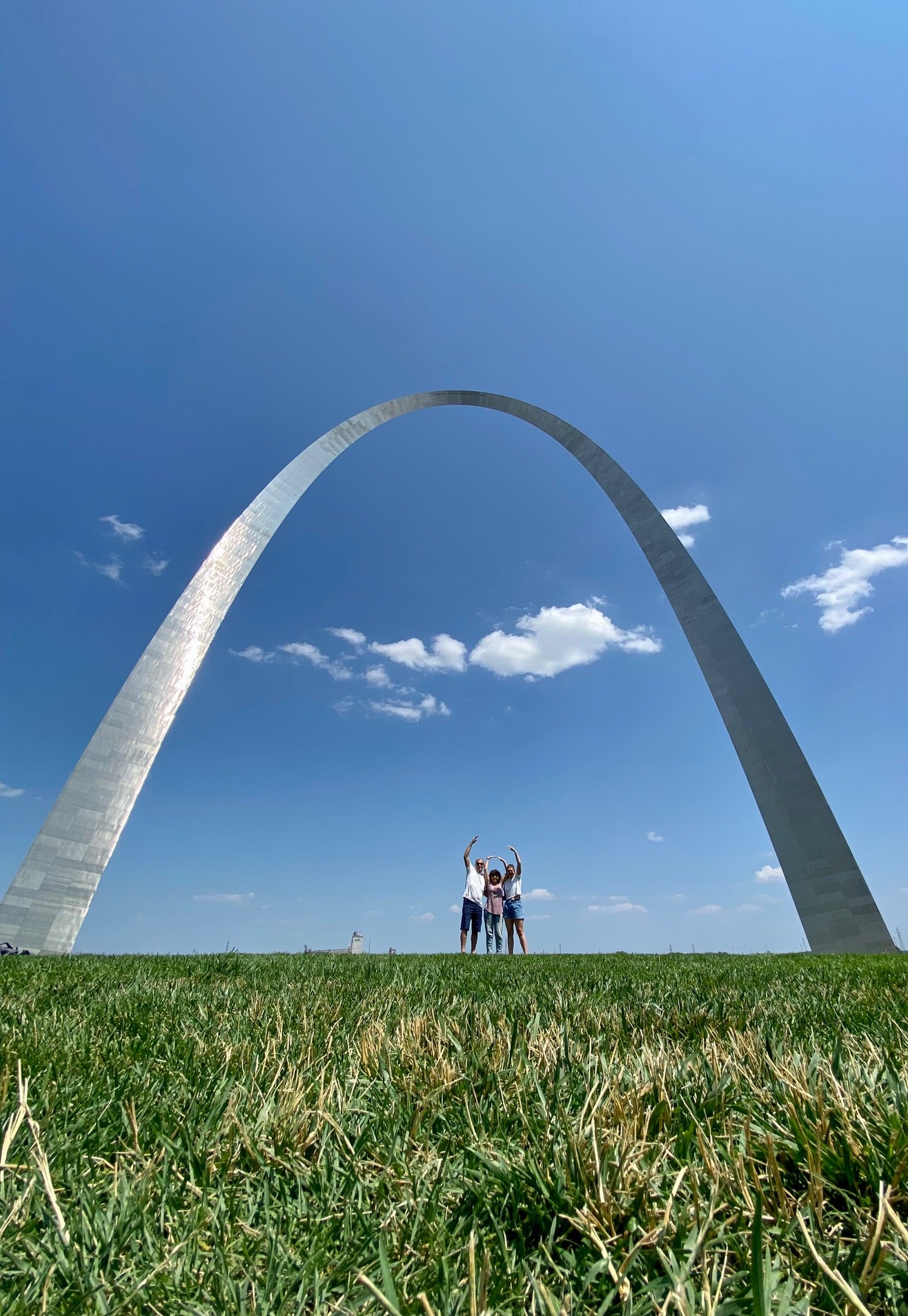
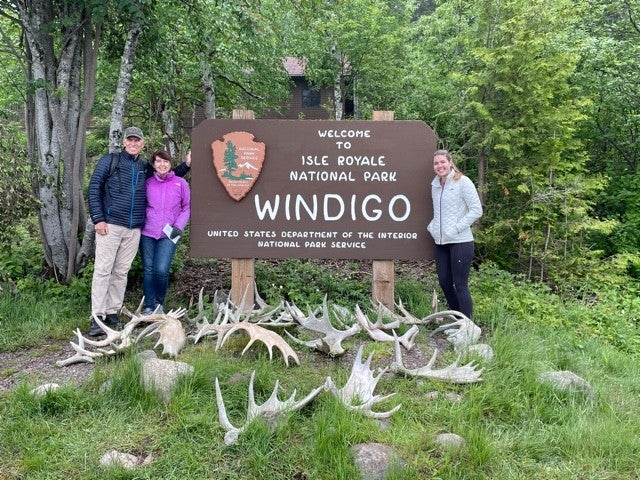
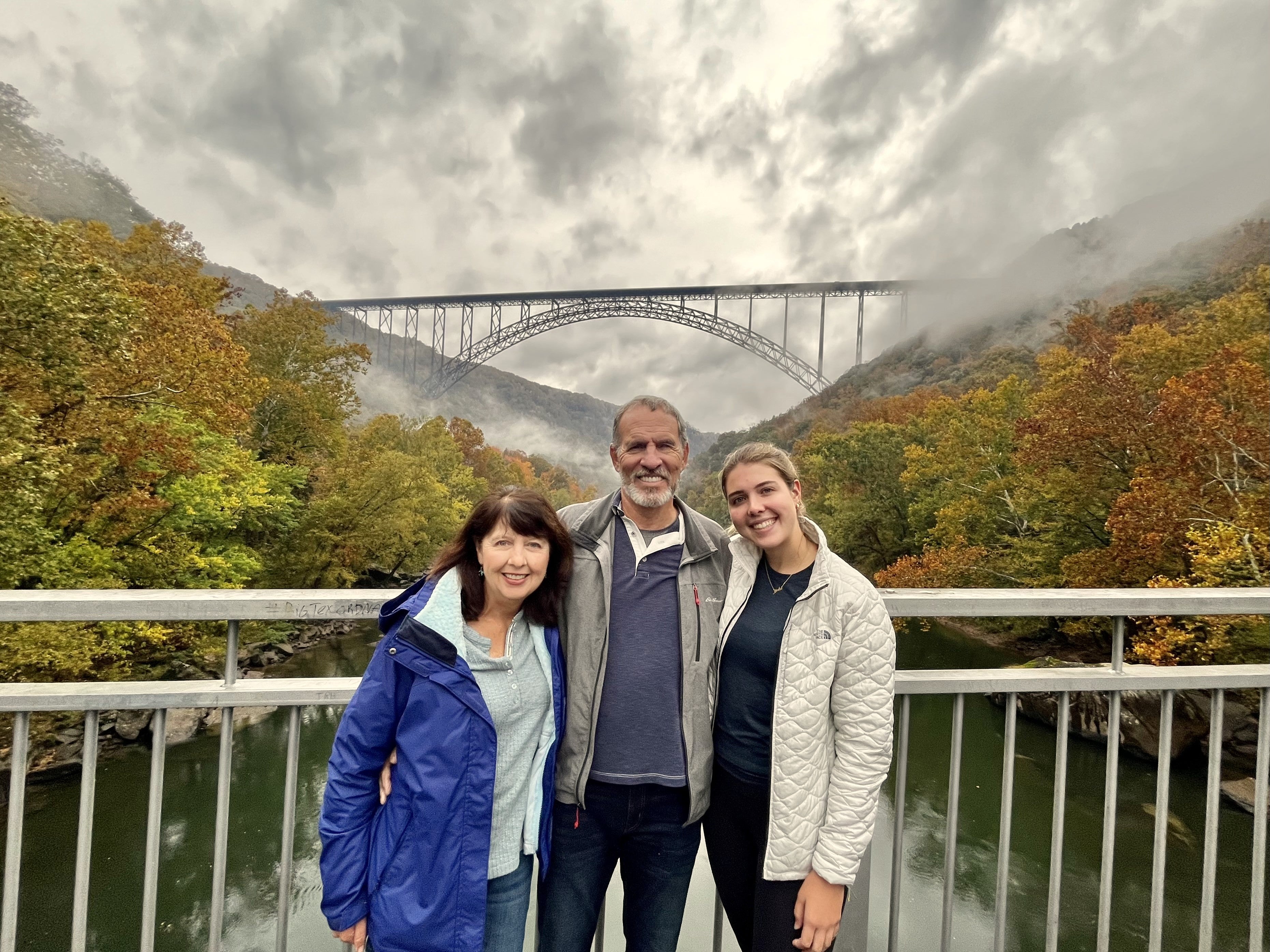
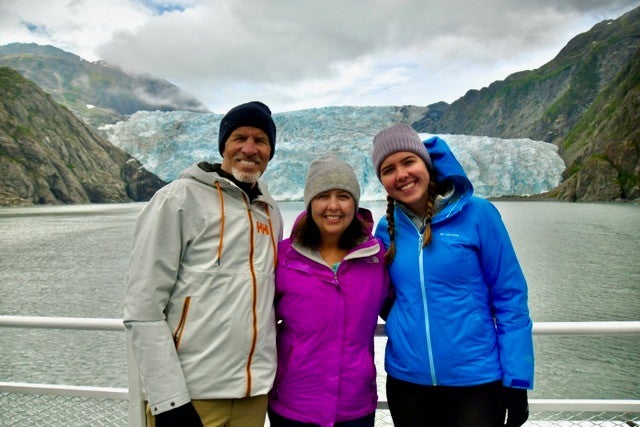
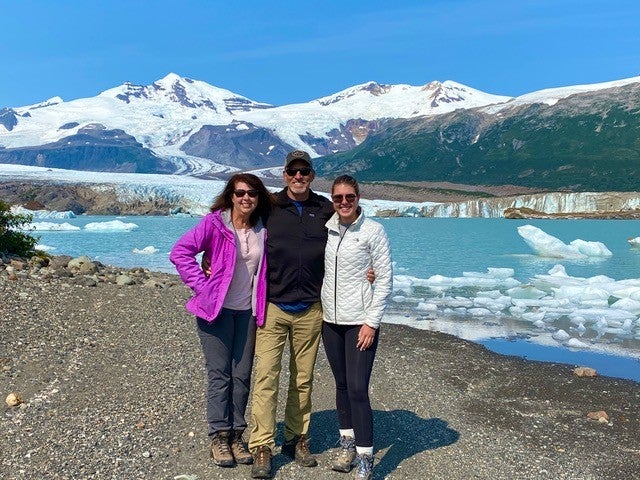
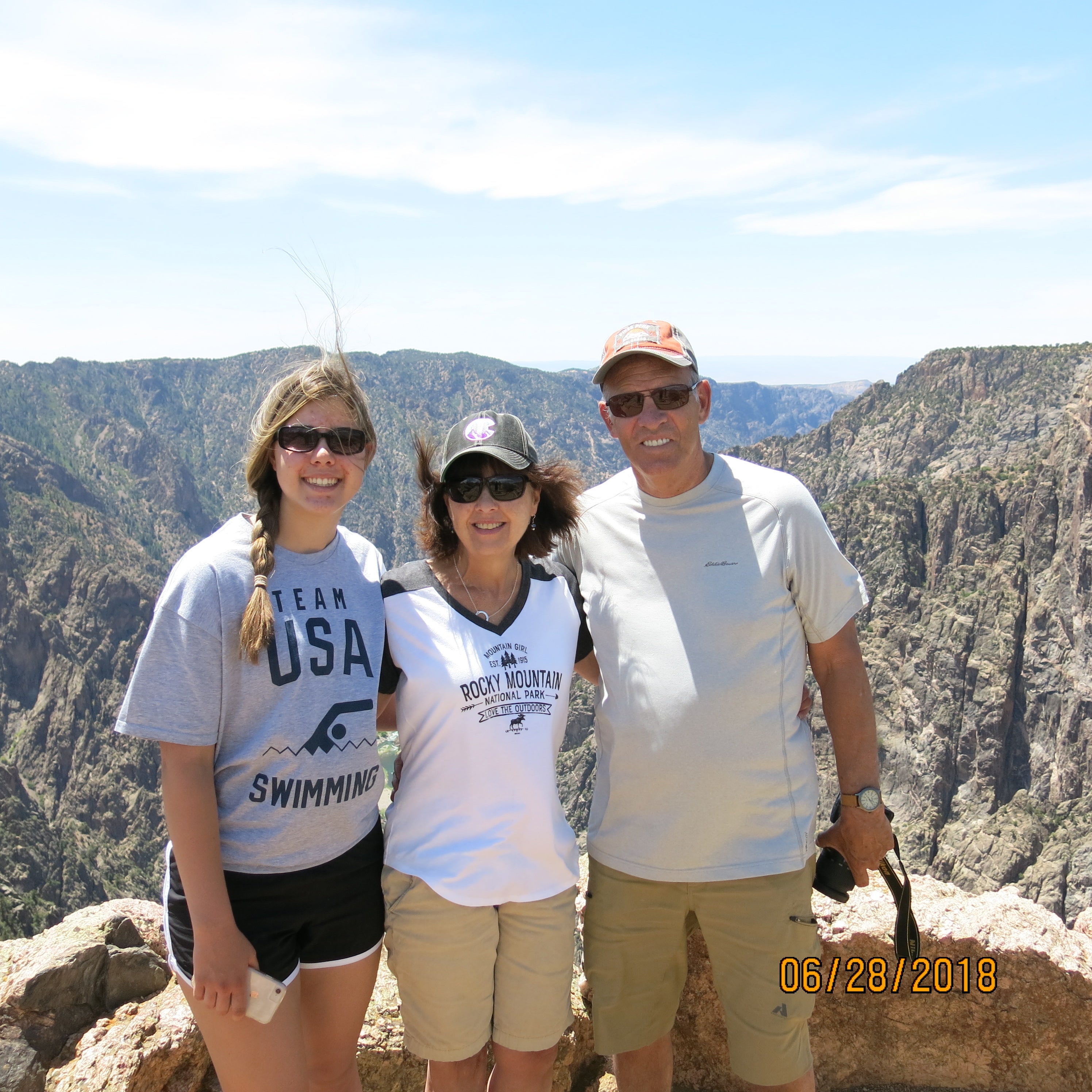
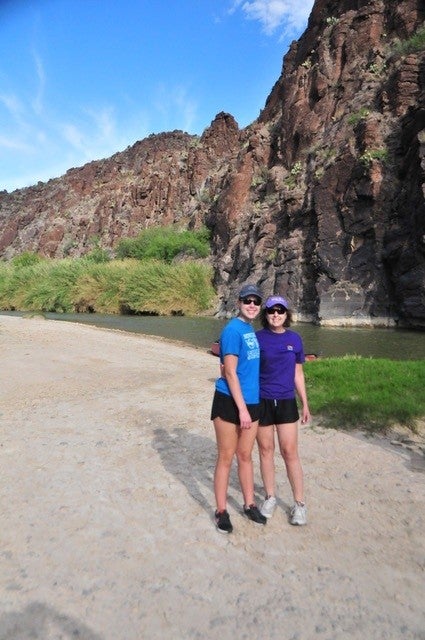
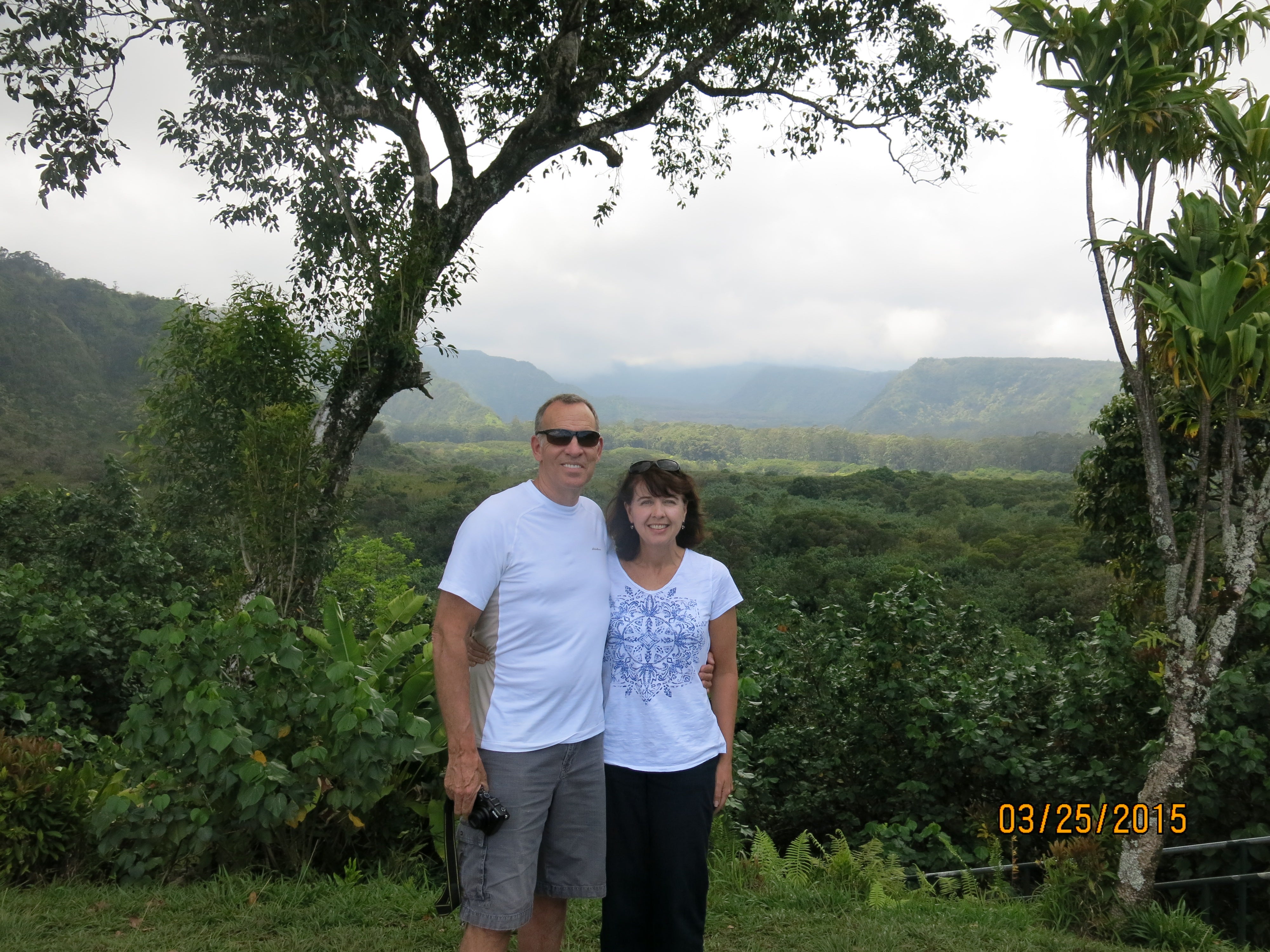
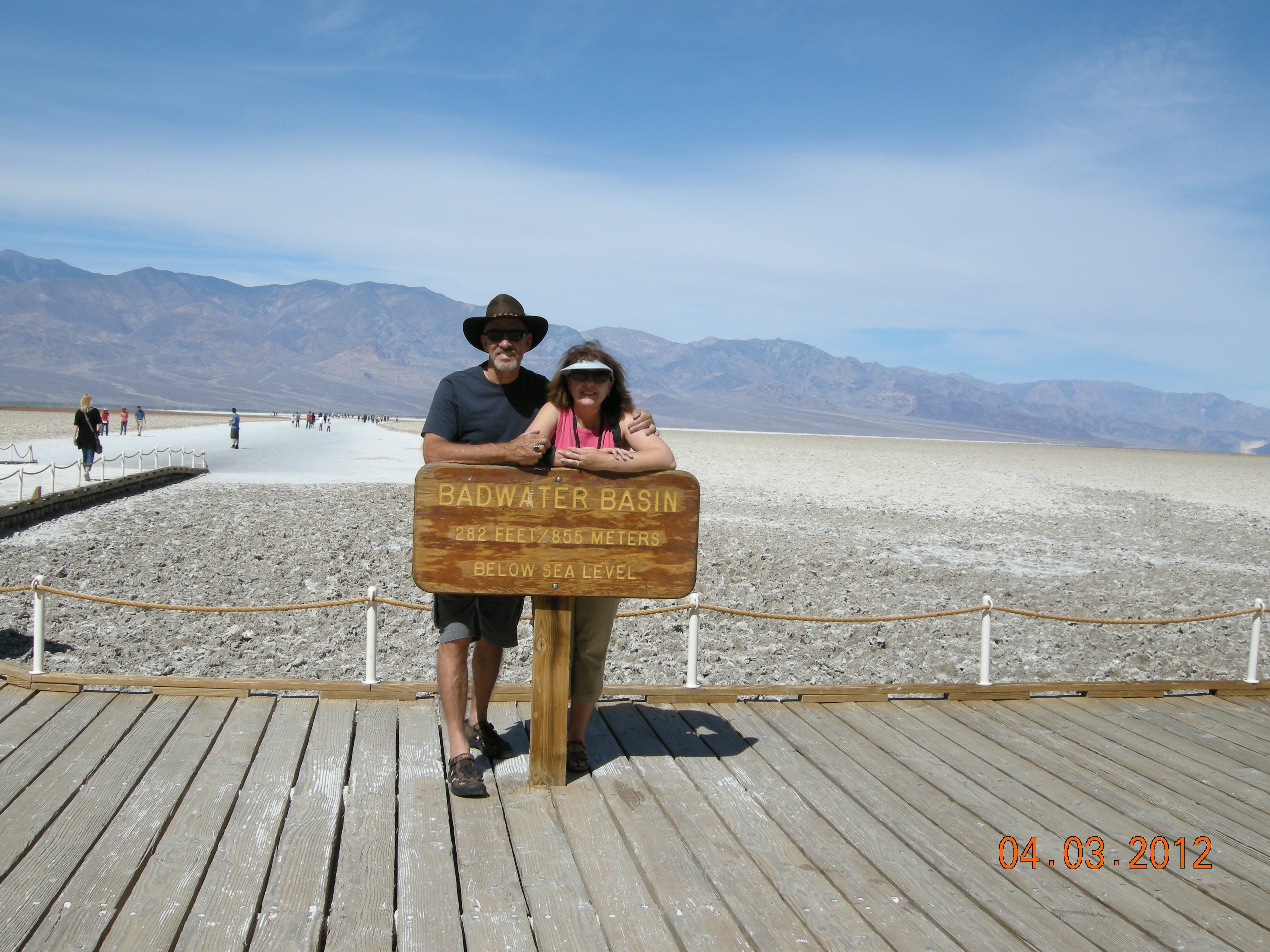
After her transplant, Rivers, her husband, Dean, and their growing daughter resumed their quest to visit all 63 U.S. national parks, which span 30 states and two territories. Some of the most challenging adventures came after her transplant, including visits to all eight national parks in Alaska, several of which are accessible only by plane and required months of planning. Thanks to her new lungs, Rivers tackled multi-mile hikes, waded through waist-deep rivers, climbed rugged terrain, swam, rafted and explored caves, glaciers and deserts.
No matter how far her travels took her, she never forgot the transplant team that made them possible, often sharing photos of her adventures with the caregivers back home. "I would get a surprise picture from Carol on one of her trips, and it would brighten my day and make me remember why we do this difficult work," said Dr. Dilling.
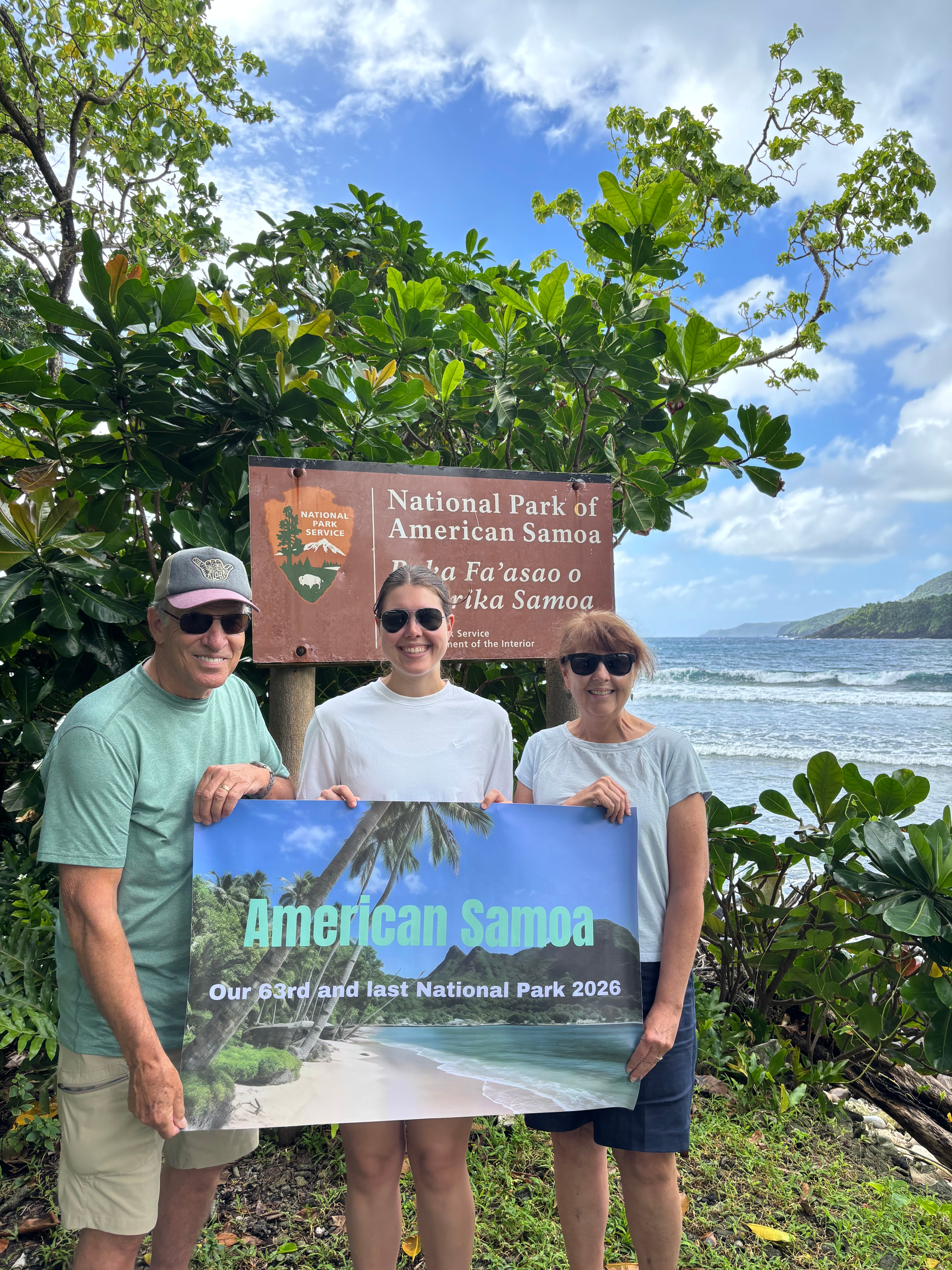
More than 6,500 miles away from home in Chicago, one final park remained, the National Park of American Samoa. Rivers was unsure if the trip would ever happen, but the family continued to plan. In May of 2026, 10 years after her lung transplant, Rivers and her family were hiking in American Samoa, something she never thought possible.
"Ten years ago, an ECMO as a bridge to transplant was extremely rare," said Dr. Dilling. "Loyola has been in the business of lung transplants since the beginning, using cutting edge technology in difficult cases to save lives. Carol's situation and genetic mutation made her case very nuanced, and we feel especially proud to have saved her life and helped her reach these goals."
“When I got sick, really sick, I didn't know if I was going to make it to my daughter's eighth-grade graduation,” said Rivers. “And I have seen her graduate from eighth grade and high school and college, and I'm going to see her next month start a master's program. Being there for all of those important events has meant more to me than anything else, really. And having it be a full life, being able to do pretty much whatever I want, has been sort of the cherry on top.”