Cardiomyopathy
Overview and Facts about Cardiomyopathy
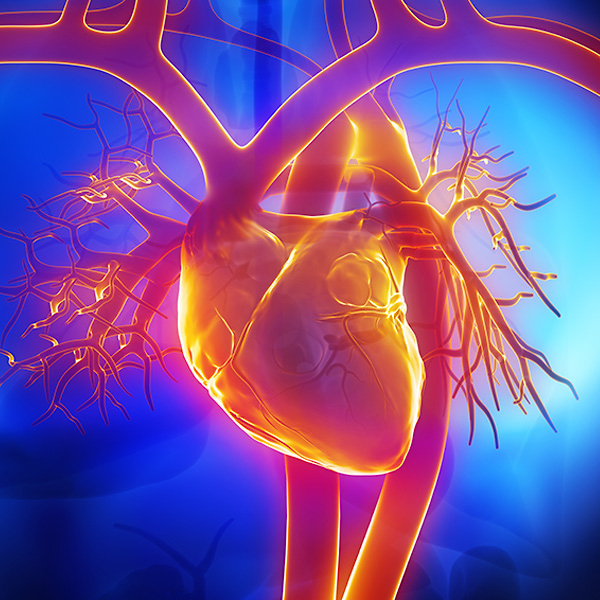
Cardiomyopathy occurs when your heart muscle becomes diseased, making it enlarged, thick or rigid.
These changes to the muscle can lead to weakness, as the heart pumps less blood through your body and struggles to maintain a normal electrical rhythm. Over time, this heart condition can lead to arrhythmias, heart valve problems, and heart failure.
There are many types of cardiomyopathy. Some of the most commonly diagnosed are:
- Arrhythmogenic right ventricular dysplasia
- Dilated cardiomyopathy
- Hypertrophic cardiomyopathy
- Ischemic cardiomyopathy
- Nonischemic cardiomyopathy
- Restrictive cardiomyopathy
Signs and Symptoms of Cardiomyopathy
In the early stages of cardiomyopathy, you may not notice any symptoms, but as these heart conditions advance, you may experience:
- Breathlessness
- Swelling, especially in the legs, feet and ankles
- Bloating
- Coughing
- Fatigue
- Pounding or fluttering heart
- Chest pressure
- Dizziness or lightheadedness
The signs and symptoms of cardiomyopathy become progressively worse without treatment.
Causes and Risk Factors of Cardiomyopathy
In many cases, the root causes of cardiomyopathy are unknown. Some may inherit it, while others may develop it due to another condition. Risk factors and causes for these types of heart conditions can include:
- Long-term high blood pressure
- Tissue damage after a heart attack
- Chronic rapid heartbeat
- Issues with your heart valve
- Metabolic disorders, including thyroid disease, diabetes and obesity
- Nutritional deficiencies
- Complications during pregnancy
- Alcoholism
- Drug use, especially cocaine, amphetamines and anabolic steroids
Tests and Diagnosis of Cardiomyopathy
To determine if you have cardiomyopathy, your doctor will complete a physical examination and a full medical history.
Your doctor may ask you questions about your symptoms, including when they occur, how long they last and how severe they are.
Additionally, your doctor may request certain tests to help rule out other heart conditions. These tests may include:
- Chest X-rays
- Echocardiogram
- Electrocardiogram
- Cardia stress tests
- Cardiac catheterization
- Coronary angiogram
- Cardiovascular MRI
- Cardiac CT (Computed Tomography) scan
Treatment and Care for Cardiomyopathy
There are a number of treatments your doctor may recommend to reduce your symptoms and prevent your cardiomyopathy from progressing. These treatments will depend on the type and severity of your heart condition, and may include:
- Medications to improve blood flow, lower blood pressure, or reduce fluid buildup
- Surgically implanted devices, including implantable defibrillators, pacemakers and ventricular assist devices to help your heart function
- Non-surgical ablation to either destroy the damaged tissue (septal ablation) or send energy to it (radiofrequency ablation)
- Surgery, including septal myectomy surgery, which involves removing the thickened muscle
- Heart transplant
In addition to these medical interventions, your doctor may also recommend certain lifestyle changes to improve your heart health. These could include:
- Quitting smoking
- Losing weight
- Eating healthy, including reducing salt intake
- Exercising regularly
- Managing stress
Request an Appointment
Loyola Medicine heart and vascular specialists have the experience and technology to treat the most difficult cardiac and vascular conditions. Schedule an appointment today.
Schedule a Telehealth Appointment