Heart Transplant

Exceptional Outcomes for Heart Transplant Patients since 1984

The heart transplant program at Loyola Medicine is committed to excellence in the care and education of patients with advanced heart failure and heart transplantation. Through academic distinction and research, we continuously evolve to provide cutting-edge therapies. We aim to improve our patients' length and quality of life.

The highest level of integrated, multidisciplinary care is offered to advanced heart failure patients who are in need of a heart transplant. Our cardiology and cardiovascular surgery care teams are known for taking on the most challenging cases and delivering specialized, advanced treatment. Our heart team, including our subspecialists who are experts in a variety of health conditions, are ready to help you.

Advanced Cardiac Transplantation Technology and Expert Team

Our heart transplant team uses the latest technology and advancements in organ procurement and preservation to maintain the integrity of the donor's heart. These advancements help improve our patients' short term and long term recovery.

At Loyola, you will have an entire team on your side, including:

  • Your cardiologist
  • Transplant surgeon
  • LVAD specialists
  • Nurse coordinators
  • Procurement coordinators
  • Infectious disease specialists
  • Nurse practitioners
  • Anesthesiologists
  • Transplant chaplains
  • Physical therapists
  • Dietitians
  • Financial coordinators
  • Clinical pharmacists
  • Social workers
  • Psychologists

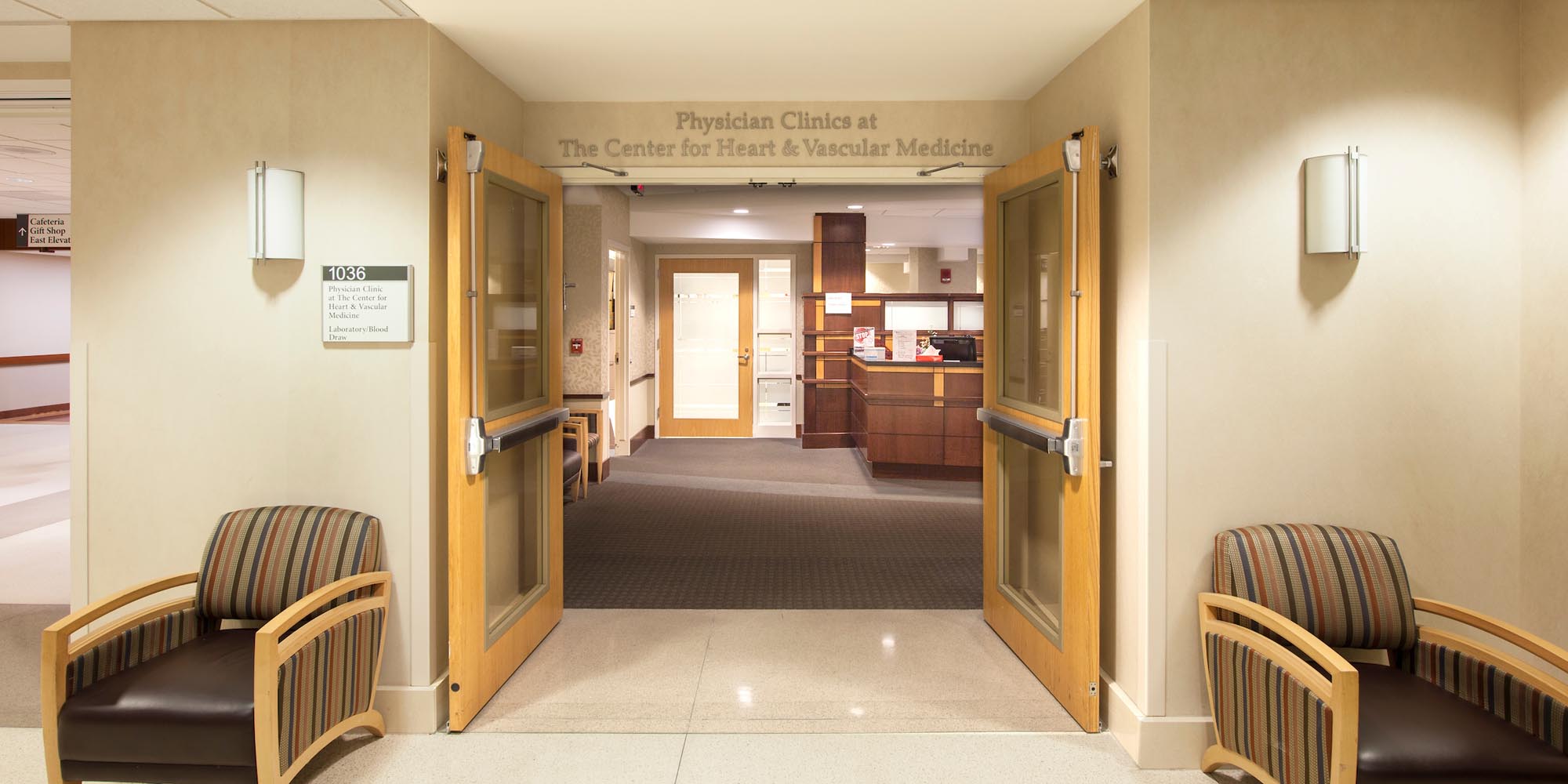
Center for Heart & Vascular Medicine

Loyola’s Center for Heart & Vascular Medicine houses one of the top-rated cardiovascular programs in the country. This dedicated facility on the Loyola University Medical Center campus brings Loyola’s cardiology and heart transplant specialists together under one roof, helping our doctors better collaborate on patient care and treatment options. We also facilitate lifestyle changes and genetic counseling for family members who are at risk for heart disease.

As a patient at Loyola, you will enjoy improved access to cardiac testing areas, as well as heart and vascular specialists. We provide a comprehensive range of services, including:

  • Cardiac surgical procedures
  • Diagnostic angiography
  • Initial screenings and evaluations
  • Non-invasive diagnostic exams
  • Non-surgical and minimally invasive treatments
  • Vascular testing

In addition to convenience, Loyola facilities offer state-of-the-art technology and procedures for all of your treatment needs including:

  • Cardiovascular interventional lab
  • Electrophysiology lab
  • Hybrid operating room
  • World-class cardiovascular imaging

What Diseases are Treated with Heart Transplant?

Loyola’s cardiologists and transplant surgeons are well versed in every type of heart disease and failure. Your healthcare team will explore conservative treatments first and foremost. If your condition is not well controlled with other treatments, a heart transplant may be the best medical option. Some heart conditions that may require a heart transplant include:


Loyola Medicine Welcomes Patients Seeking Second Opinions

When a patient seeks a second opinion, they're looking for a fresh interpretation of a given diagnosis or treatment plan from a different doctor.

Getting a second opinion is a normal part of finding treatment and can increase your confidence in your diagnosis and treatment plans. It also ensures you choose a physician you have a comfortable rapport with. New clinical trials or treatments are also only being performed by certain physicians.

Loyola's specialist offices are located throughout Chicago’s western and southwestern suburbs and are open for second opinion consultations.

Ongoing Clinical Trials to Advance Heart Transplant Research

Loyola is conducting research today that will lead to the treatments of tomorrow. As an academic medical center, Loyola can offer groundbreaking treatments through ongoing national trials and clinical research.

Our program currently is participating in multicenter clinical trials for disease treatment, LVAD registry, medication usage and clinical outcomes. Loyola patients will be granted access to the latest medications and therapies through our clinical trials.

Meet Our Team


Experienced and Compassionate Team Supports Your Heart Transplant

Doctors at Loyola Medicine are experienced and compassionate in caring for patients with end-stage heart failure and advanced heart failure. Once your cardiologist has determined that your best medical option is a heart transplant, you will be evaluated for the possibility of a transplant through a number of tests to determine if your body is strong enough to tolerate the surgery and required medication. Once your test results are in and you are officially eligible for a heart transplant, you will meet your heart transplant team.

Your Loyola heart transplant team will be your partner in finding a suitable organ match. During this time, your transplant team will support you in your efforts to stay healthy while you wait for your transplant surgery. It is important that you continue all treatment as recommended, take all medications as prescribed, follow the dietary plan provided by your nutritionist, stay active and keep all appointments with your healthcare team.

Once a match is found, your transplant team will guide you through the process of preparing your body for transplant surgery, providing expert care during your surgery and supporting you in recovery. This multidisciplinary group of expert clinicians and support staff includes:

  • Transplant cardiologist
  • Transplant cardiothoracic surgeon
  • Pre-transplant and post-transplant coordinators
  • LVAD coordinator
  • Nurse practitioners
  • Physical therapist
  • Procurement nurse
  • Psychologist
  • Chaplain
  • Clinical pharmacist
  • Dietitian
  • Financial coordinator
  • Social worker

What are the Different Types of Heart Transplants?

Heart patients can benefit from three kinds of transplants:

  • Heart transplant — A surgery that removes a diseased or damaged heart and replaces it with a donor heart.
  • Heart-lung transplant — A surgery that is performed for unsalvageable dual cardiac and pulmonary failure.
  • Heart-kidney transplant — A surgery that is performed when both cardiac and renal organs are in end-stage failure.

Alternatives to Cardiac Transplantation

Your Loyola surgeon may suggest the following treatments as an alternative to cardiac transplantation or as a bridge to transplant surgery:

  • LVAD implantation — Loyola’s internationally recognized team of cardiothoracic surgeons specializes in using left ventricular assist devices (LVAD) to treat patients with heart disease or advanced heart failure.
  • Medical management ­— Your Loyola doctors may prescribe a medication change or increase in dose to properly manage your condition while waiting for a suitable organ match.
  • Myocardial revascularization — For patients with ischemic heart disease who are not good candidates for a balloon or stent placement in the heart vessel, or for coronary artery bypass surgery, this procedure may reduce pain and eliminate the need for medication.
  • Temporary VAD implantation — Loyola also offers the Impella® and Cardiohelp® short-term ventricular assist devices (VAD) for patients with advanced heart disease.

Evaluation for Advanced Therapies

Your cardiologist may recommend an evaluation of advanced therapy options for the treatment of your heart failure. Our advanced heart failure cardiology team will work with you to confirm your diagnosis of end-stage heart failure and start your VAD evaluation. The evaluation has several steps and we will guide you through the process.

Depending on your condition, the advanced heart failure cardiologist may request additional testing in addition to our routine evaluation to gain a comprehensive representation of your past and present health history. A routine evaluation includes:

  • Review of health history with the medical team
  • Extensive cardiac testing
  • Imaging
  • Blood work
  • Cancer screening
  • Psycho-social consultation
  • Palliative care consultation

Some conditions are barriers to VAD implantation, including alcohol and substance abuse problems, an inability to comply with treatment (such as following a complex medication plan), a lack of social and financial support, and uncontrolled or untreatable mental illnesses.

The Medical Review Board will discuss your case and decide whether a heart transplant would be a treatment option available for you. Loyola offers behavioral health treatments that can help you meet the requirements for a heart transplant.

Heart Transplant Requirements

The Loyola Medicine Heart Transplant Program carefully assesses patients with advanced heart failure to determine if they are good candidates for a heart transplant. Ideal candidates for a heart transplant typically:

  • Are physically capable of undergoing heart surgery
  • Have a high potential to strongly recover after heart surgery
  • Are able to take care of themselves after heart surgery
  • Maintain a healthy lifestyle

Treatment

If you are given approval as a heart transplant candidate, you will be placed on the national waiting list with the United Network for Organ Sharing (UNOS). Your wait time for a donor heart depends on many factors, including your medical urgency, compatibility to the donor and geography (organs are matched within the same region whenever possible). Your heart transplant team will keep you up to date on all tests and treatments. We will also work with you on your exercise and nutritional plans so that you are ready for surgery once a suitable donor heart is available. Your care team will prepare you for the day that a donor match arrives.

It is extremely important during this time that you keep your scheduled appointments with your medical team and keep them informed of any changes in address, insurance, phone number or vacation plans. Your transplant team must be able to reach you within a moment’s notice if your donor heart becomes available.

A strong partnership with good communication is the key to a successful transplant surgery and recovery. Your care team will guide you through this journey, ensuring you receive all necessary health care testing and appointments needed while waiting for a donor heart to become available.


Life After Heart Transplantation

Heart transplantation is a major open chest surgery and recovery time may vary. Patients will come directly out of the operating room and recover in the cardiovascular intensive care unit, located next to the operating room.

As the patient progresses, they will transition out of the intensive care unit to our cardiothoracic step-down unit. Members of our multi-disciplinary team will be working with the patient and caregivers to prepare everyone for a successful discharge from the hospital.

Our multi-disciplinary care team will work with the patient and family with any roadblocks that may come across while preparing for discharge, such as:

  • Learning how to care for your new heart
  • Learning how to manage your medication
  • Tips to prevent rejection of the new heart
  • How to prevent infection
  • Rehabilitation needs that promote a healthy lifestyle and create the pathway to full recovery

Your Transplant Team

Loyola's transplant team will continue to care for you and your new heart after surgery to ensure the best quality of life possible. Your team may include:

  • Transplant physician
  • Transplant nurse coordinator
  • Transplant pharmacist
  • Transplant dietitian
  • Transplant social worker
  • Transplant psychologist
  • Rehabilitation services

Heart transplantation requires a strong commitment and close follow-up from the patient. Our heart transplant team remains a strong partner in your post-transplant lifestyle and is here to collaborate with you each step of the way.

Common Questions about Heart Transplants

If your Loyola cardiologist or cardiovascular surgeon has recommended a heart transplant as your best medical option, we understand that you will have many questions.

We expect that you have many concerns about your transplant surgery and are available to answer your questions at your appointment times.

Common Questions about Heart Transplants

If your Loyola cardiothoracic surgeon has recommended a heart transplant as your best medical option, we understand that you will have many questions. Loyola Medicine is known for taking on the most challenging cases. If you’ve been turned down by another transplant center, consider getting a second opinion at Loyola.

We expect that you have many concerns about your transplant surgery. You may be interested in reviewing the answers to the most frequently asked questions about heart transplant surgery. We are also available to answer your questions at your appointment times or by phone.

Common Questions Before Heart Transplant Surgery

How can I become a donor or encourage a friend to become a donor?

Loyola Medicine has partnered with Gift of Hope Organ & Tissue Donor Network as part of the Hospitals for Hope campaign. You can register to become an organ and tissue donor on the Gift of Hope's website. Your decision can make an impact that will save and enhance countless lives.

How long should I expect to wait for my transplant?

At Loyola, 50 percent of patients receive a transplant eight months after being placed on the national waiting list. Your Loyola transplant team will continue to manage your condition and keep you healthy until you receive your transplant.

Who pays for the operation?

Insurance, whether private, Medicare or Medicaid, will pay for your evaluation and surgery. Please contact your insurance company for specific levels of coverage.

How can I find out if I need a heart transplant?

Talk to your doctor to see if a heart transplant is right for you. You can call our transplant clinic and a transplant nurse will answer your questions.

How do I know if I qualify for a lung, heart-lung or double-lung transplant?

Although you may have been told you need a transplant, several tests must be done to evaluate your overall health, including how your heart, lungs and kidneys are functioning. After your tests are completed, a pulmonary transplant specialist will review your results and propose the best treatment for you.

What does a lung, heart-lung or double-lung transplant evaluation involve?

Once patients are identified as potential transplant candidates, they undergo several days of tests and consults. The lung transplant team will then review and discuss the results to determine if the patient should be recommended for transplant surgery. A medical team also will determine at that time whether the patient requires a single-lung, double-lung or heart-lung transplant surgery. Testing may include blood tests, urine test, chest X-ray, pulmonary function test and CT scan, to name a few.

What is the age limit for a lung, double-lung or heart-lung transplant?

Lung transplants are routinely performed for patients of all ages. At Loyola, we perform adult and young adult lung transplants. A patient will not be denied a transplant based on age alone.

What does it mean to be on the “waiting list” for a lung, double-lung or heart-lung transplant?

Once the decision has been made to move forward with a transplant, your name will be placed on the national waiting list with the United Network for Organ Sharing, or UNOS. You can visit their website for research and educational articles on transplant surgery.

What should I be doing while I wait for a donor?

Waiting for a donor organ can be a stressful experience, especially because your wait time is unknown. During this time, there are important steps that transplant candidates can take to ensure they are ready for surgery when the important call comes:

  • Take care of your health. Try to stay as healthy as possible and take your medicines as instructed. Notify your transplant coordinator if any additional medicines are prescribed or altered, or if you are hospitalized for any reason.
  • Keep your scheduled appointments with your doctors. Until your transplant, you will need to meet with members of the transplant team to routinely evaluate your overall health, which may include periodic blood tests.
  • Participate in support groups. Ask your social worker about support groups and other resources, so you'll have access to more information and can talk with other transplant candidates.
  • Follow weight control and exercise guidelines. Weight management is very important while waiting for your transplant surgery. Loyola’s dietitians and physical therapists will work with you to develop a diet and exercise program that will give you the greatest benefit before and after transplant surgery.
  • Occupy yourself by staying involved. Spend time doing what you enjoy and stay as active as your physical condition will permit. Keep up with your work, studies and leisure activities, or start a project or hobby that can help distract you and make time pass more quickly.
  • Maintain contact with family and friends. Good company will take your mind off waiting and enrich your life.
  • Just relax and reduce stress. Reading or listening to music or relaxation tapes can be helpful in taking your mind off your transplant surgery and avoiding negative thoughts.
  • Make sure you are available. Your transplant team MUST know how to get in touch with you at all times. Pagers, cell phones or remote answering machines may be required. Your transplant coordinator may recommend that you stay within a certain geographic range.
  • Be prepared with transportation. When you are placed on the organ waiting list, your first responsibility is to plan how you will get to the Transplant Center when are notified that a match is available. Prepare yourself for this call by making the necessary arrangements for transportation well in advance.
  • Pack your bags in advance. You'll need to be ready to leave as soon as you get the call that the transplant surgery may be imminent. Be sure to pack your insurance information, an extra 24-hour supply of medication and all other necessities.

What tests may be required before my surgery?

Periodic testing must be done to monitor your health while you wait for an organ to become available.

Where do I go for transplant surgery?

When called in for transplant surgery, the nurse will give you instructions on when to come to the hospital and where to go.

How long is transplant surgery?

The surgery can take from three to four hours for a single-lung transplant and six to 12 hours for a double-lung transplant. Surgical time can vary from patient to patient based on the complexity of the operation.


Common Questions after Heart Transplant Surgery

What are visiting hours?

Visiting hours are set to allow you the time to recover after your surgery. Visiting hours for most hospital patients are from 9 am to 9 pm.

What can I expect during my hospital stay?

After your transplant surgery, you will be taken to the intensive care unit where you will be closely monitored. You will remain on a ventilator for about 24 hours. You will have many tubes and drains in place, including several intravenous catheters (IV), a urinary catheter, a stomach drainage tube and chest tubes.

When your medical condition has stabilized, you will be placed on a portable cardiac monitor. Most patients stay in the hospital for about 15 days. The length of your hospital stay will depend on the severity of your illness before the transplant surgery and complications after surgery. If you are very weak, you may need rehabilitation.

What type of pain control will I have?

Your level of pain will be carefully monitored and controlled with medicine administered through your IV. When you start eating again, the pain medication will be given as pills or tablets.

Are there external stitches that need to be removed?

Your incision will be closed with small adhesive bandages. As your wound heals, these bandages will fall off.

Will I have a breathing tube in after my surgery?

Following your transplant surgery, you will be on a breathing machine. The tube will be removed as soon as your doctor determines you are well enough to breathe on your own.

How long will I need to stay in the hospital?

The average length of stay following transplant surgery is 15 days, but each patient’s case is unique.

What procedures must I follow after my transplant surgery?

Following transplant surgery, you will have several follow-up appointments. Lung transplant requires periodic blood work, radiology testing, pulmonary function testing and bronchoscopy. Heart transplant also requires periodic blood work and radiology testing, as well as echocardiograms and endomyocardial biopsies. These tests monitor how well your new organ or organs are functioning.

How long will I have to take anti-rejection medications?

You will have to take these medications for as long as you have a transplanted organ. The anti-rejection medications are extremely important and must be taken every day, preferably at the same time, to prevent rejection. Taking your medications is one of the most important things you need to do after your transplant surgery.

What activities can I do at home?

Before discharge from the hospital, you will be given a personalized exercise plan and activities to avoid while healing from surgery.

Will I have any restrictions?

There are many restrictions that you must follow immediately after surgery while you are healing. You also will be instructed on restrictions that need to be followed to protect you and your new organ or organs from infection and rejection.

When can I return to work?

The goal of transplant surgery is to allow you to return to former activities, including work. It usually takes about six weeks to recover from surgery. Work clearance is given on an individual basis.

What follow-up appointments will I have?

You will have several follow-up appointments after being discharged, including pulmonary, surgery and endocrine visits. You will receive a list of appointments before your discharge from the hospital.

Whom do I call if I have questions or problems after my transplant surgery?

You will be given a list of important phone numbers prior to discharge with instructions on whom and when to call.

What if I need rehabilitation after my surgery?

Rehabilitation is required following transplant surgery to increase strength and endurance. Rehabilitation can be performed on an inpatient or outpatient basis. Your social worker will assist you in finding a facility close to your home. Learn more about pulmonary rehabilitation.

Will I need oxygen after surgery?

Sometimes people need oxygen following surgery. You will be evaluated by respiratory therapists to see if you need oxygen before discharge.
Featured Heart Transplant Videos

Patient gets second chance with transplant

Father and Son Receive Transplants 30 Years Apart

Loyola Medicine embraces heart transplant patient

Grateful Father Blessed with the Gift of a New Heart