A colorectal cancer screening can save your life, but most of us just don't get it
September 16, 2026
Categories: Colorectal Cancer, Cancer Care, Health & Wellness
How colorectal cancer screenings can save your life
About 150,000 Americans are diagnosed with colorectal cancer each year, and more than 50,000 people die from it. However, these deaths are preventable. Colorectal cancer is one of two cancers that can be prevented. If the disease is diagnosed, it can be treated if caught very early, making screenings an important part for those with colorectal cancer risk factors.
What is a colorectal cancer screening?
A screening test is used to look for a disease when a person doesn’t have symptoms. Colorectal cancer almost always develops from abnormal growths, called polyps, in the colon or rectum so screening tests look for these growths. Often, these polyps can be removed before they become cancerous.
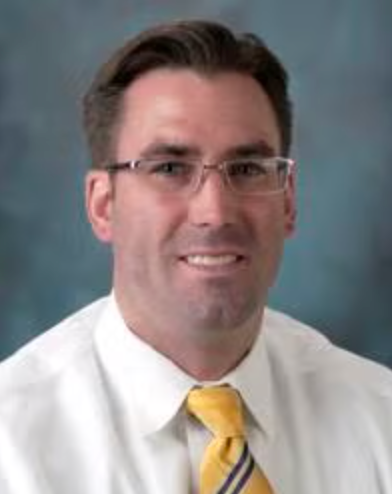
“One of the best things that people can do to protect themselves is get screened for colorectal cancer if their doctor suggests it. There are many options depending on the patient, all of which can save their lives,” says Joshua Eberhardt, MD, a colorectal surgeon at Loyola Medicine.
Who should get a colorectal screening?
Current guidelines call for everyone to be screened for colon and rectal cancerbeginning as early as age 45, or earlier if there is a family history or other risk factors. It is considered standard preventive care and is often covered by insurance.
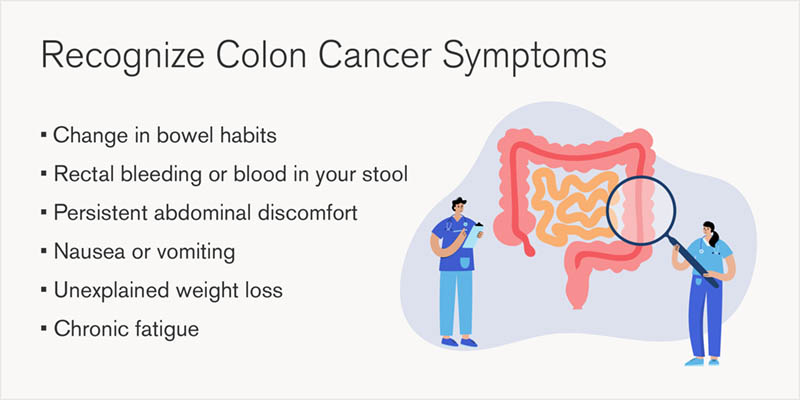
“If you're experiencing any symptoms of colon cancer or are at a higher risk, it's important to get screened as the disease has one of the highest survival rates when caught early. Oftentimes, symptoms do not appear in early stages of the disease. Do not wait for symptoms before talking to your doctor,” says Dr. Eberhardt.
What type of colorectal screening tests are available?
There are two types of colorectal screening tests: those that detect cancer and precancerous tissue called polyps and those that detect only cancer.
- Stool (feces) tests for blood or DNA are designed to detect cancer
- Colonoscopy, CT colonography, (virtual colonoscopy) and sigmoidoscopy (examines about half of the colon) can detect both cancer and polyps
These tests are offered at Loyola, and your doctor can advise you on when you need a screening and which type is recommended.
Colonoscopy is considered the gold standard in colorectal cancer screening because it allows the physician to test tissue and/or to remove precancerous polyps. That means:
- If polyps (precancerous growths) are found, they can be removed
- If a tumor or cancer is found, it can be removed in follow-up surgery
- If nothing is found, a colonoscopy is not needed again for 10 years
“Loyola performs above the national average on colonoscopy quality measures, such as examining the entire colon, detecting polyps and having good bowel preparation,” says Dr. Eberhardt.
What patients can expect with a colonoscopy
Many people who get screening tests have not shown any symptoms, have never needed to come to the hospital or medical office for any kind of procedure, or have been relatively healthy for most of their lives. Often, patients worry about what the screening will be like.
Patients can expect the following:
- You will be given a gown and an intravenous connection to your arm.
- The doctor will come in and talk with you and explain the process again.
- You will be sedated but conscious and breathing on your own. It's unlikely you would have general anesthesia.
- The procedure lasts 20 to 40 minutes.
- Most people don't remember or feel anything.
- When you are finished, you will be given a report on what the test showed.
- Afterward, you may eat whatever you would like, but you cannot drive or go to work.
Frequently asked questions
What should I do to prepare for the colonoscopy?
Preparing for the test is crucial to having complete and accurate results. Patients often hesitate to have a colonoscopy because they are worried about the preparation.
A colonoscopy is an endoscopic examination, which is like a camera inside you that shows the inside of the colon. For the doctor to see the entire colon clearly, the bowels must be empty. That requires bowel preparation.
Our digestive health team works closely with Loyola primary care physicians, who have clear instructions for what you would need to do the day before the test. We go over your medications, like those for high blood pressure or diabetes, so nothing interferes.
Will I miss work to have a colonoscopy performed?
You should not work the day of your colonoscopy, and you will need to have someone drive you home after the procedure. Usually, patients may work the day before and the day after.
If you do not want to miss work on a weekday, you can schedule a Saturday appointment at Loyola.
What do I need to drink for a colonoscopy?
You will need to drink a large amount of a special, prescribed liquid. These liquid solutions often contain polyethylene glycol and electrolytes which are osmotic laxatives that draw water into the stool to facilitate bowel movements.
For the simplest and most effective preparation, you will be instructed to consume only liquids the day before the test.
Will I be nauseated when preparing for the colonoscopy?
Feeling nauseated after starting your colonoscopy prep is a common side effect, especially in the first hour or so. The prep solution can be hard on the stomach due to its taste, volume, and the rapid changes it causes in your digestive system. Try to sip the liquid more slowly or chill it beforehand.
What if I can't drink the prescribed liquid when preparing for the colonoscopy?
To make the process easier, you will be asked to drink it in two parts – often the evening before and the morning of the test. We provide contact information in case you have questions or are having difficulty consuming the drink. Someone is always available, even after hours.
When preparing for the colonoscopy, is it true I'll visit the bathroom often?
You will want to stay near a bathroom while you complete the preparation as you are likely to have multiple bowel movements throughout the evening before the exam.
“A colonoscopy can give you peace of mind and may even save your life. It has for a countless number of people who followed the screening guidelines and completed the test,” says Dr. Eberhardt.