What exceptional lung transplant survival rates mean for a second chance at life
March 16, 2026
Every year in the United States, more than 3,000 lung transplants are performed. For these thousands of Americans living with lung disease, a transplant is most likely their only chance at survival. Loyola Medicine’s lung transplant program stands out as one of the nation’s leading performers, offering outcomes that rank among the best in both the region and the country, according to the 2025 Scientific Registry of Transplant Recipients data.
Why early post-operative transplant management matters
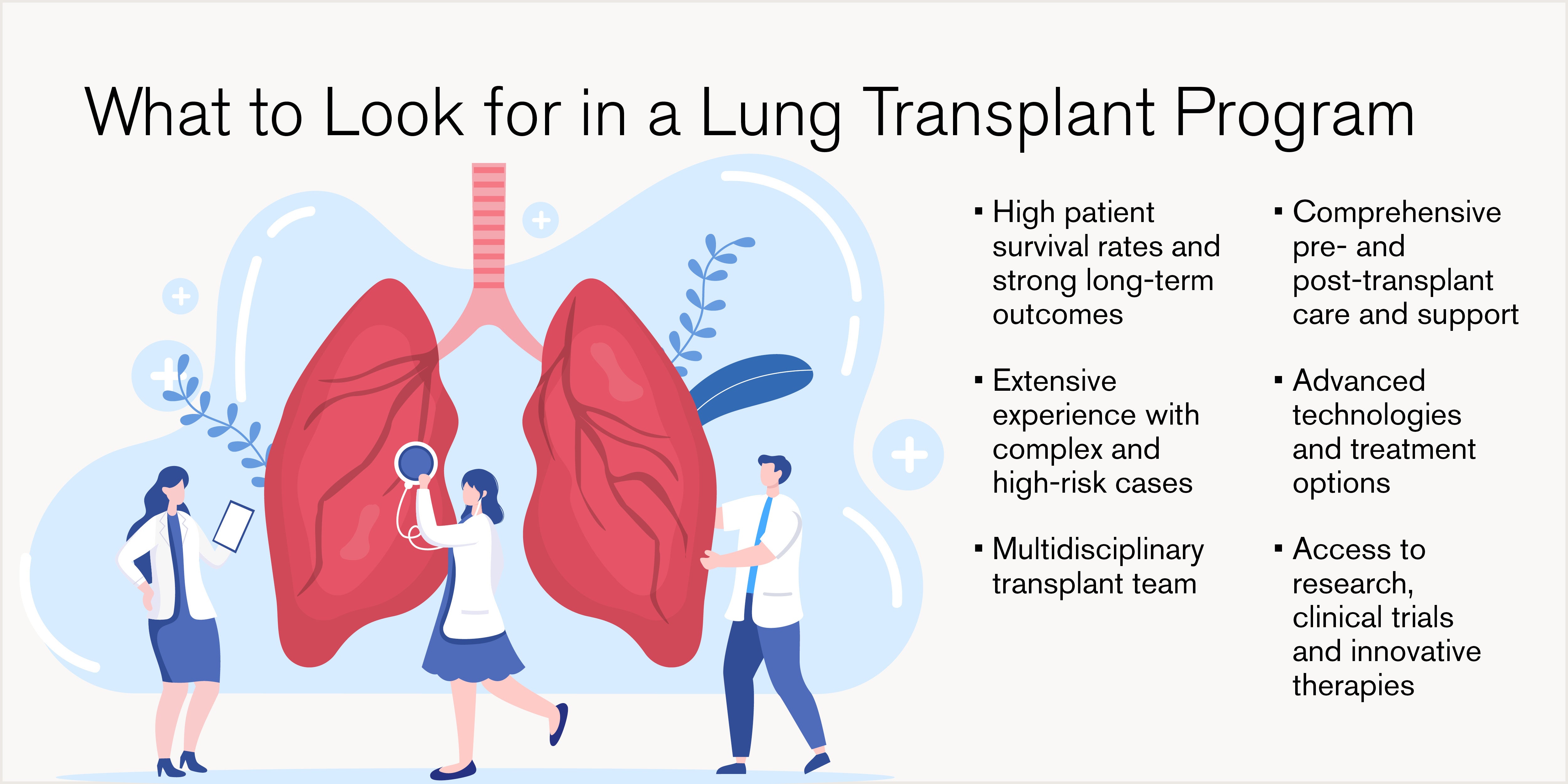
While the transplant itself is the most important step, it’s only the first in a complex clinical journey. Long-term survival depends on management in the weeks, months and years after surgery from a dedicated and highly specialized multidisciplinary team that cares for every aspect of a patient’s postoperative care. Specifically, patients rely heavily on transplant pulmonologists, nurses, pharmacists, social workers, dietitians and other specialists who monitor recovery, prevent complications and manage immunosuppression medication and other health maintenance required for survival.
Decades of continuous transplant experience have shaped Loyola’s ability to anticipate challenges and respond early. The program has been operating longer than any other lung transplant center in Illinois, with continuous lung transplant activity since the late 1980s. This depth of expertise ensures patients benefit from carefully developed clinical pathways and a highly experienced team that understands the long‑term trajectory of lung transplant survivorship.
“The surgery is just the first step. Most of a patient’s success happens in the weeks and months after, when coordinated nursing, pharmacy, pulmonary medicine and social work keep things steady,” says Daniel Dilling, MD, pulmonary disease specialist. “This makes what you do before and directly after the surgery all the more important.”
The innovations that improve lung transplant outcomes
As innovations and new technologies are developed and enhanced, health outcomes for lung transplant patients will also improve. Health systems that champion these innovations will set the standard nationally. Loyola Medicine offers many such technologies that lead to the highest lung transplant patient survival rates in the country.
Our surgeons also perform some single-lung transplants with an extremely small 2.5-inch incision. This reduces surgical trauma, speeds up recovery, lowers complication risk, looks better cosmetically, and pleases patients. And after the transplant, Loyola is actively engaged in ongoing research and clinical studies focused on improving outcomes. Loyola is also a partner in a highly regarded research collaboration with 13 other North American lung transplant centers.
“Experience across decades sharpens judgment. When you’ve followed people for 10, 20, even 30 years, you learn which decisions and technologies before transplant protect survival after transplant,” says Dr. Dilling.
Rapid evaluation processes
Part of these strong outcomes is a long-standing history of experience with lung transplants that allows multidisciplinary teams to structure workups and pre-transplant assessments quickly and efficiently. This measured approach helps ensure that patients receive lungs that support strong recovery and long-term stability.
Post-transplant follow-up and long-term survival
Long‑term survival after a lung transplant depends on more than a successful surgery. It requires continuous, attentive follow‑up care that helps patients navigate immunosuppression, infection prevention, nutrition, rehabilitation and lifestyle adjustments.
Loyola’s post‑transplant care emphasizes:
- Frequent monitoring to detect early signs of complications
- Coordinated support from pulmonary specialists, nurses, pharmacists, dietitians and social workers
- Advanced diagnostic tools, including donor‑derived cell‑free DNA testing
- Patient‑centered communication, ensuring individuals understand their care plan and feel supported
This holistic approach protects long‑term graft health and helps patients live fuller, more active lives. The program’s national‑leading survival rates are a reflection not just of exceptional surgery, but of the sustained, multidisciplinary care that comes after surgery.
The program also operates several outreach clinics across Illinois and neighboring regions, allowing patients to receive follow‑up care closer to home. These clinics strengthen collaboration with local physicians and make it easier for patients to maintain consistent care in the years following their transplant.
“It's in the long term where outcomes improve. Frequent monitoring, smart immunosuppression, infection vigilance and rehab are all pulled together by a team that knows these patients well,” says Dr. Dilling.
An organ transplant center that follows these guidelines will have the strongest outcomes. That’s why it’s important to know what to look for when deciding on a transplant center for you or a loved one.