
Navigating the first year of recovery after a lung transplant
April 28, 2026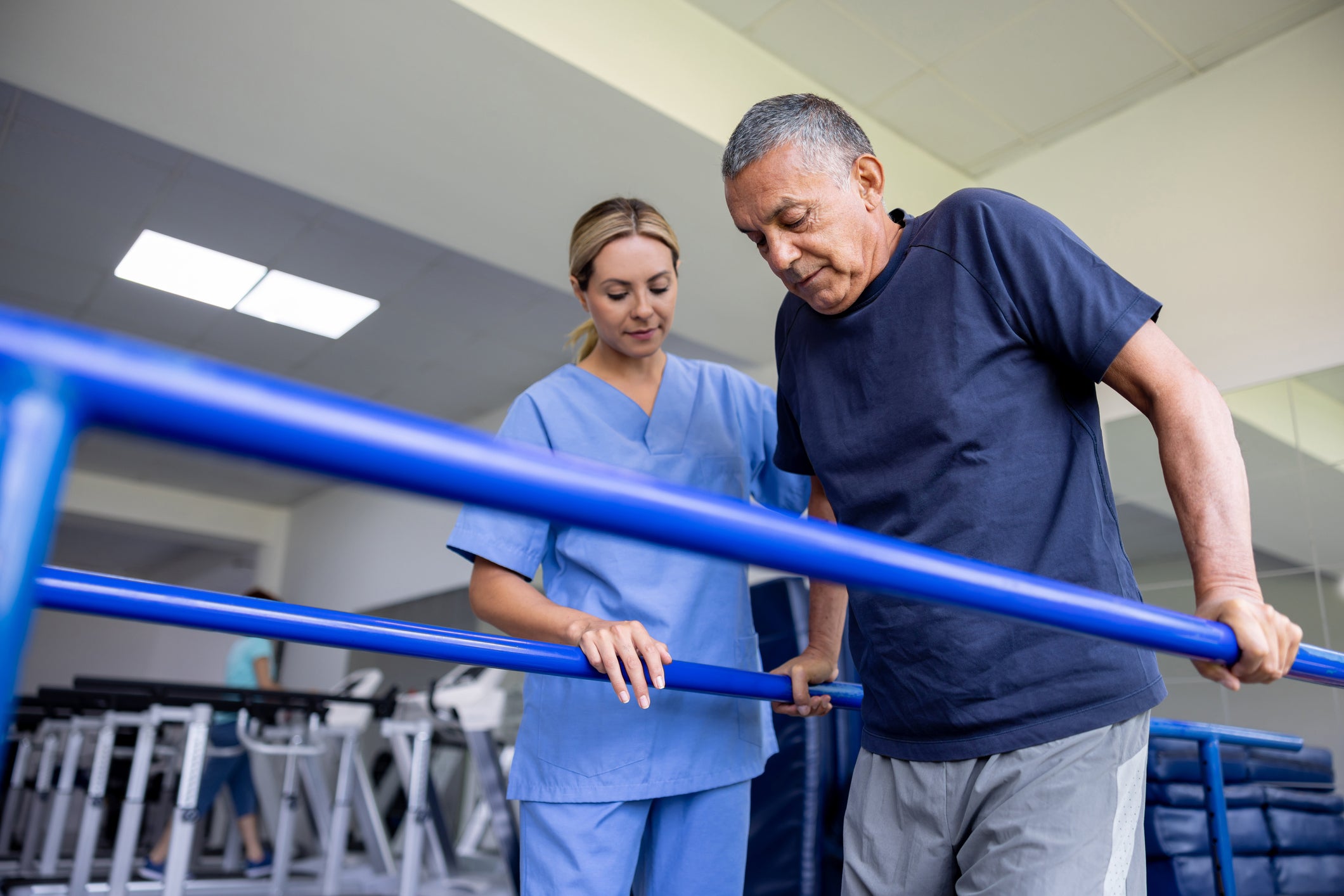
Receiving a lung transplant is life‑changing, offering improved breathing, greater independence and better quality and length of life. At the same time, recovery is complex and requires close medical follow‑up, lifestyle changes and strong support systems. The first year after a lung transplant is especially important because the body is adjusting to the new lungs and the complex medical regimen that comes with having a lung transplant.
Why the first year after lung transplant matters
The first year after a lung transplant is the most medically intensive period of recovery. During this time, the body is healing from major surgery, adjusting to lifelong medications and learning to accept the transplanted lungs without rejecting them. The risk of complications, especially rejection and infection, is highest during the first year, which is why monitoring and follow‑up are so frequent early on.
To decrease these risks, care teams use this year to fine‑tune medications, track lung function and help patients rebuild strength. Long‑term success depends heavily on adhering to care instructions during this period.
“The first year after a lung transplant is when we do the most teaching and the most adjusting. What patients do during this time truly sets the stage for long‑term success,” says Renea Jablonski, MD, pulmonologist at Loyola Medicine.
The immediate hospital recovery period after transplant surgery
After surgery, patients are moved to an intensive care unit (ICU). Patients need temporary help from a ventilator while their new lungs begin working on their own. Doctors and nurses closely monitor breathing, heart function, fluid levels and signs of infection or rejection during this time. Patients often begin gentle physical therapy even while in the ICU to keep blood flowing and prevent muscle weakness.
Most patients remain in the hospital for up to three weeks after surgery. During this time, they learn how to:
- Take new medications correctly
- Recognize early warning signs of infection or rejection
- Perform breathing exercises
- Care for surgical incisions
Chest tubes are usually removed once the lungs have fully expanded and fluid drainage has slowed. Pain will gradually decrease, and physical activity can slowly increase under medical supervision.
“Many patients are surprised by how structured the recovery process is at first. That close follow‑up is because we want to be as proactive as possible,” says Dr. Jablonski.
The first three months after discharge
Many transplant programs require patients to stay close to the transplant center for several months after discharge. This allows for frequent clinic visits, testing and quick treatment if problems arise. Follow‑up appointments may occur several times per week during the first few months. These visits often include:
- Blood tests
- Breathing tests (spirometry)
- Chest X‑rays
- Physical exams
- Bronchoscopy procedures to check for rejection
These tests help doctors catch complications early, often before symptoms appear.
Anti‑rejection medications after lung transplant
After a lung transplant, patients must take immunosuppressive medications for the rest of their lives. These drugs help prevent the immune system from attacking the new lungs. Skipping doses, even briefly, can increase the risk of rejection.
Because immunosuppressive drugs weaken the immune system, patients are more vulnerable to infections. Doctors closely monitor medication levels and adjust doses to balance rejection prevention with infection risk.
Patients may also take medications to:
- Prevent bacterial, viral, or fungal infections
- Control blood pressure
- Manage blood sugar
- Protect bone health
- Pulmonary rehabilitation and physical recovery
Pulmonary rehabilitation plays a key role in recovery. These supervised programs include exercise training, breathing techniques and education. Rehabilitation often begins in the hospital and continues for weeks or months after discharge.
Doctors typically encourage low‑impact activities, such as walking, during early recovery, with gradual progression over time.
Knowing when to call the transplant care team
Patients should contact their transplant team if they experience:
- Fever
- Shortness of breath
- Increased coughing
- Fatigue
- Changes in breathing tests
“After transplant, everyday infections can carry more risk. Hand hygiene, avoiding sick contacts, wearing masks, receiving the necessary vaccinations and allowing your care team’s guidance are simple steps that make a big difference,” says Dr. Jablonski.
Emotional and mental health during lung transplant recovery
Many patients also face emotional challenges, including stress, anxiety or mood changes. The adjustment to new routines, medications, and lifestyle rules can feel overwhelming at times.
Transplant programs often include social workers, counselors, or support groups to help patients and families cope during recovery. During the first year, especially in the early months, most patients also need help with transportation, medication management and daily activities. Caregivers play a critical role in recovery and are often required to be available around the clock early on.
“I want patients to know that it’s normal to have emotional ups and downs after transplant, and we encourage them to talk openly about how they’re feeling,” says Dr. Jablonski.
Months six through twelve
By the second half of the first year, many patients notice steady improvements in energy and breathing. Clinic visits become less frequent if recovery is stable, though regular monitoring continues.
Some patients may:
- Return to work, depending on job demands
- Resume social activities with medical approval
- Travel with careful planning
Survival and quality‑of‑life outcomes after lung transplant have improved significantly over time. Most patients experience some complications the first year and see meaningful improvements in daily functioning when they follow medical guidance closely. Even as independence increases, lifelong follow‑up and healthy habits remain essential to protect the transplanted lungs.
Patients who stay engaged with their transplant team, take medications as prescribed and maintain healthy routines give themselves the best chance for lasting transplant health.