
What causes gout and how to prevent flare-ups
June 15, 2026
Currently, 12 million Americans are suffering from gout. Yet only a small fraction of them are getting the treatment they require. To those suffering from the condition, some gout symptoms may seem similar to other arthritis conditions. Gout can also cause permanent joint damage if left untreated. By learning about the condition and treatment options, you can take charge of your health and reduce your pain.
What is gout?
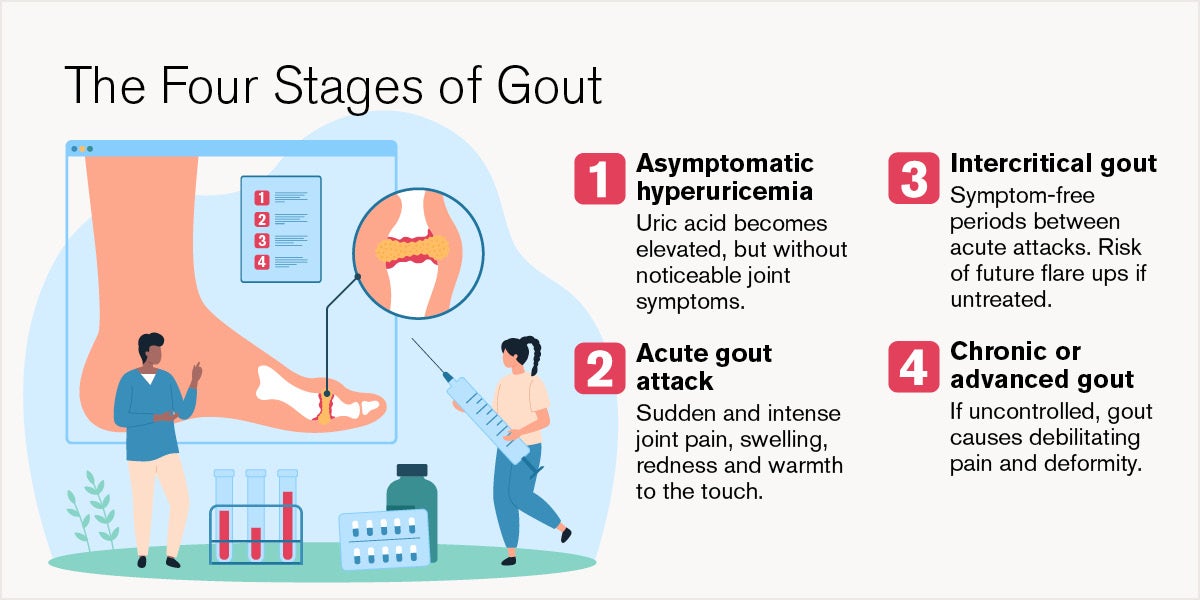
Gout is a type of crystalline arthritis that causes sudden, intensely painful flare-ups in different areas of the body, mostly seen in the joints and especially in the big toe. This pain is caused by a chronic buildup of uric acid, a normal body waste product. When not enough uric acid is expelled from the body, urate crystals form in a joint which, in turn, causes an inflammatory reaction, leading to extreme pain, swelling, redness and heat.
What causes gout?
There are two main causes of gout, both of which involve uric acid. Either the body is producing too much uric acid or it is unable to remove enough of it.
By far, the most common cause of gout is the inability to dispose of uric acid. This can be for several reasons, but the primary one is a genetic defect. Many people with a family history of gout will also develop the condition. However, alcohol and medications like diuretics and aspirin can also hinder the kidney’s ability to excrete the substance.
Only a minority of cases of gout involve an overproduction of uric acid. This too can be caused by a genetic defect, but it can also be the result of chemotherapy. Certain foods may also cause an increase in uric acid, such as:
- Red meats
- Gravies
- Beer
Men are more likely to develop gout
While anyone can suffer from gout, it is more common in men. In fact, men are four times more likely to live with the condition than women. Although women’s risk starts to increase after menopause due to the decline of estrogen levels.
Gout treatment options
Treatment for gout is straight forward. Generally, this includes medication to ease inflammation, lowering uric acid in the blood, helping the kidneys remove excess uric acid, or a combination of these.
Colcrys, non-steroidal anti-inflammatory drugs, such as ibuprofen or naproxen, and steroid pills or shots into the joint can ease pain and swelling during an attack. The goal is to lower uric acid level to less than 6.0 mg/dL or lower in the blood in order break up and prevent crystals. There are also dietary and life modifications that people can start implementing on their own.
Diet and lifestyle modifications
While diet and lifestyle changes have not been proven as an effective treatment for the condition, a low-purine diet may help manage some symptoms, especially when combined with medications. If you have been diagnosed with gout, or are suffering from symptoms you believe to be caused by gout, there are changes you can make right now to help. Some of these include:
- Avoiding shellfish, gravies, red meat, soups and organ meats
- Limiting or eliminating alcohol, especially beer
- Avoiding sugary drinks or those with high fructose
Gout is generally associated with conditions related to obesity, such as high blood pressure and heart and kidney disease. Losing weight can dramatically improve your uric acid levels, risk factors for diseases that are linked to gout and your general health.
Rheumatology services at Loyola Medicine
Loyola Medicine’s rheumatology program provides truly integrated clinical care for the diagnosis and treatment of people with all types of arthritis, including gout. Loyola’s rheumatologists are board-certified with specialized training to provide advanced treatment for people in need of gout treatment.
Our multidisciplinary team includes experts in rheumatology, endocrinology, orthopaedic surgery and many other disciplines, all of whom are dedicated to getting you back to a pain-free life.