
Pelvic pain in women: Common causes, warning signs and treatment
September 21, 2026
Categories: Women's Health
Pelvic pain symptoms can affect people of all ages, but it is especially common in women. Because the pelvis contains reproductive organs, the bladder, bowel, muscles, joints, bones and nerves, pelvic pain can have many different causes. Recognizing the difference between normal pelvic pain and symptoms that may be more serious can help you seek timely care and appropriate treatment.
What is pelvic pain?
Pelvic pain refers to pain felt in the lower abdomen and pelvic region. Depending on the cause, it may also be felt in the lower back, buttocks, groin or upper thighs. The pain can be sharp, dull, aching, cramping, constant or intermittent.
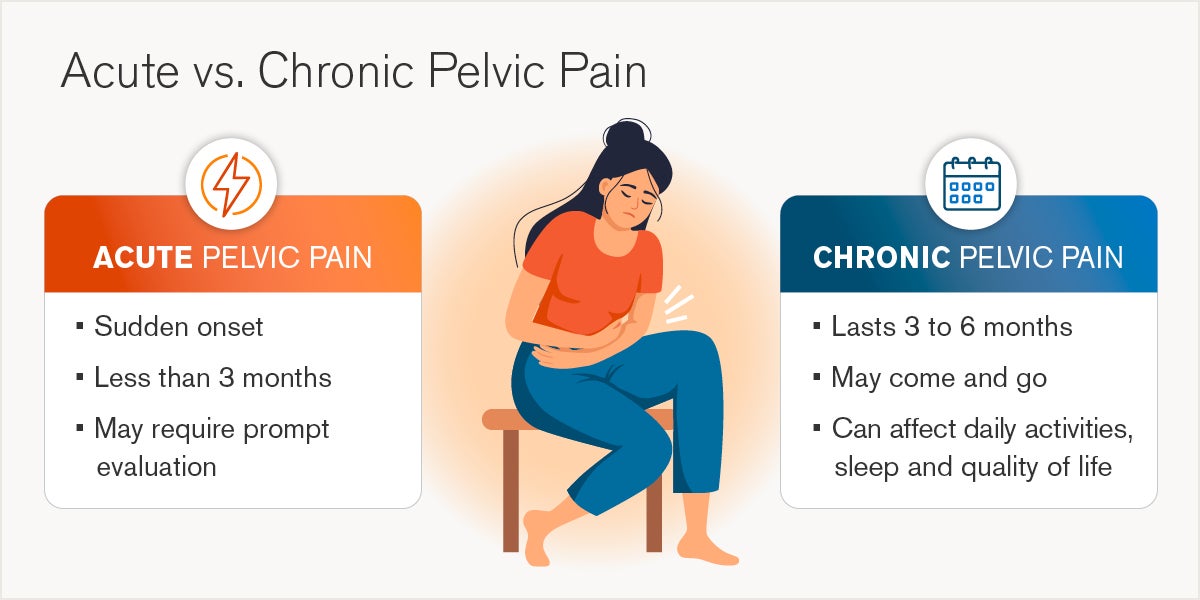
Pelvic pain is generally classified as either acute or chronic. Acute pelvic pain develops suddenly and typically lasts less than three months, often signaling a new injury, illness or other underlying condition. Chronic pelvic pain persists for three to six months or longer and may be constant or intermittent, often affecting quality of life, sleep and work.
Women are more likely to experience chronic pelvic pain. Approximately one in seven women of childbearing age reported pelvic pain lasting six months or longer.
"Chronic pelvic pain often requires a multidisciplinary approach from a patient's team because several body systems may contribute to symptoms at the same time," says Colleen Fitzgerald, MD, medical director of the chronic pelvic pain program at Loyola Medicine.
Pelvic pain symptoms and when to seek care
Pelvic pain can look very different from one person to another. Some people experience occasional discomfort, while others have symptoms severe enough to interfere with daily life. Common symptoms may include:
- Pain in the lower abdomen or pelvis
- Lower back pain
- Groin, hip or buttock pain
- Pain during urination or bowel movements
- Frequent urination
- Constipation or diarrhea
- Bloating
- Pain during sexual activity
- Vaginal bleeding or abnormal vaginal discharge
Pelvic pain during pregnancy
A common form of pregnancy-related pain is known as pelvic girdle pain. This pain typically affects the sacroiliac joints and pubic symphysis and may be felt in the lower back, buttocks or pelvic region. Unlike chronic pelvic pain, pregnancy-related pelvic girdle pain is usually considered an acute condition because it develops during pregnancy.
"I encourage pregnant women to seek care when pain begins affecting their daily lives, whether that means difficulty working, exercising, walking or caring for children," says Dr. Fitzgerald. "Just because something might be common does not necessarily mean it's normal."
Schedule an appointment with a healthcare provider if pelvic pain:
- Persists or worsens
- Interferes with daily activities
- Causes urinary or bowel changes
- Is accompanied by unusual vaginal discharge
- Occurs during pregnancy and begins affecting function or mobility
At Loyola Medicine, patients with pelvic pain may benefit from coordinated care involving specialists from multiple disciplines, helping ensure that underlying causes are identified and treated promptly.
What causes pelvic pain
Pelvic pain is a symptom rather than a diagnosis, and many different conditions can cause it, including:
- Gynecologic: Endometriosis, pelvic inflammatory disease, ovarian cysts, uterine fibroids, adenomyosis, pregnancy-related complications
- Urologic: Interstitial cystitis, bladder pain syndrome, urinary tract infections, kidney stones
- Digestive: Irritable bowel syndrome, constipation, diverticulitis, inflammatory bowel diseases
- Musculoskeletal: Pelvic floor dysfunction, Injury or pregnancy-related pelvic girdle pain
While anyone can develop pelvic pain, certain factors may increase risk, including:
- Previous pelvic surgeries
- History of infection
- Chronic bladder or bowel disorders
- Hormonal influences
How pelvic pain is diagnosed
Because pelvic pain can involve multiple body systems, evaluation often includes:
- A detailed medical history
- Physical examination
- Laboratory testing
- Ultrasound, MRI or other imaging studies when needed
- Referral to specialists such as gynecologists, urologists, gastroenterologists or physical medicine and rehabilitation physicians
Care, treatment and living with pelvic pain
Treatment depends on the underlying cause of pain and the individual's specific symptoms.
Physical therapy and pelvic floor rehabilitation
"For pregnancy-related pelvic girdle pain, physical therapy is often the first-line treatment because it is both effective and safe during pregnancy," says Dr. Fitzgerald.
Therapy focuses on improving stability and supporting the body's changing musculoskeletal system. Pregnancy-related pelvic girdle pain may also respond to sacroiliac joint belts and regular icing, which can help reduce discomfort and improve function.
For chronic pelvic pain, pelvic floor physical therapy is frequently recommended. This specialized treatment evaluates and addresses dysfunction in the pelvic floor muscles, which are often involved in persistent pain conditions.
Medical management
Depending on the diagnosis, treatment may include medications to address infection, inflammation, bladder disorders or other underlying conditions. During pregnancy, providers often prioritize non-pharmacologic treatments because many medications can affect the developing fetus.
Procedures and surgery
Some conditions, such as endometriosis, ovarian abnormalities or uterine fibroids, may require minimally invasive procedures or surgery when conservative treatments are not effective. Treatment decisions are based on the underlying diagnosis and individual patient needs.
Living well with pelvic pain
Managing pelvic pain often involves a long-term partnership with your health care team. Helpful strategies may include:
- Staying active within comfortable limits
- Following prescribed physical therapy programs
- Practicing pelvic floor exercises when recommended
- Managing bowel and bladder health
- Learning pain-coping techniques
- Keeping scheduled follow-up visits to monitor progress
"Many women assume pelvic pain, particularly during pregnancy, is simply something they must tolerate. In reality, early evaluation and treatment can improve quality of life and may help prevent long-term chronic pain," says Dr. Fitzgerald.