What to Expect Before Liver Transplant Surgery
How long should I expect to wait for my transplant?
Many factors will affect how soon you will be offered a liver donation, including your medical urgency, compatibility to the donor and geography (organs are matched within the same region whenever possible). Your Loyola transplant team will continue to manage your condition and keep you healthy until you receive your transplant.
Who pays for the operation?
Insurance, whether private, Medicare or Medicaid, will pay for your evaluation and surgery. Please contact your insurance company for specific levels of coverage.
What does the liver do?
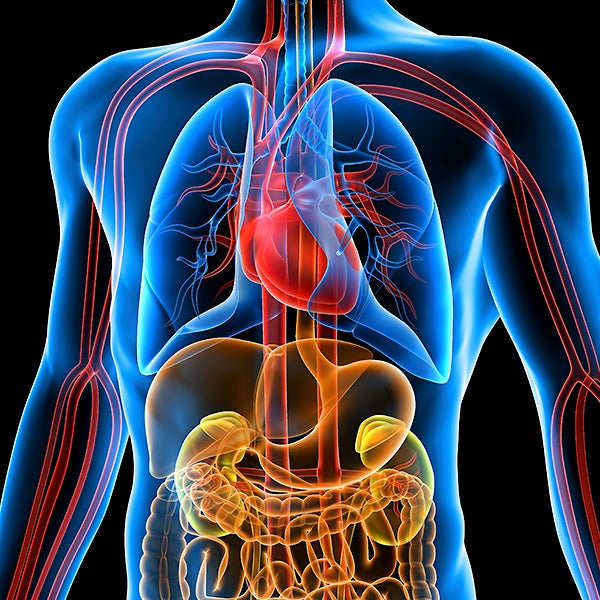
The liver is the biggest organ inside the body, located on the right side under the rib cage. It filters out nutrients absorbed in the intestines and carried by the blood; breaks down toxins in the blood that are created during daily living; and produces bile, which helps to digest food in the intestines, along with many of the proteins your body needs to function.
How do I know if I need a liver transplant?
There are many possible reasons to need a liver transplant. If your liver is failing or you have certain diseases that affect the liver, you may need a transplant. Once you are referred to the Loyola liver transplant department, a number of tests are done and reviewed by the transplant team before you are added to the national transplant waitlist.
What does a liver transplant evaluation involve?
A liver transplant evaluation is extensive. It requires many liver function tests and examinations to determine your need and is different for each patient.
Whom do I talk to if I am interested in investigating liver transplant surgery?
You can call us to speak with a liver transplant representative.
Is there an age limit for liver transplant surgery?
Liver transplants are routinely performed for patients of all ages. At Loyola, we only perform adult liver transplants.
What does it mean to be on “the list” for a liver transplant?
After completing the evaluation process, Loyola’s multidisciplinary team reviews your results. If you are approved for a liver transplant, you will be registered with the United Network for Organ Sharing, more commonly called UNOS. This is the national waiting list for deceased-donor organs. It is used to match donor organs with potential recipients.
What should I be doing while I wait for a donor?
Waiting for a donor liver can be a stressful experience, especially because your wait time is unknown. In general, try to maintain your health as much as possible. If you are slightly overweight, exercising to lose weight is helpful and will allow you to recover sooner. Your doctors may recommend specific medications or treatments to help you stay in the best health.
What are some of the conditions and diseases that may prompt the need for a transplant?
The causes of end-stage liver disease vary. Some diseases that may lead to end-stage liver disease and may require a transplant include:
Am I allowed to travel while I wait for a donor liver?
You will need to be at the hospital within one to two hours after we receive word that a donor liver is available. If you need to travel a long distance, your request for a liver may be put on hold while you are away. Your time away does not affect your place on the list.
What should I expect for my transplant surgery time?
All surgical times vary, but a liver transplant usually takes about 6 to 8 hours.