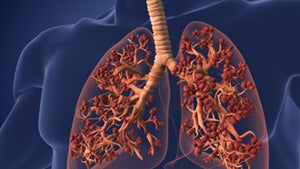
Interstitial Lung Disease (ILD)
Loyola Interstitial Lung Disease (ILD) Program
The Loyola Interstitial Lung Disease (ILD) Program specializes in the diagnosis and treatment of ILDs—lung conditions that cause difficulty breathing due to damage or scarring of the lung tissue. These diseases can result from various factors such as workplace exposures, mold, autoimmune diseases, and genetic factors.
Our Commitment to Your Care
At Loyola, we are dedicated to improving your quality of life through personalized care plans that meet your specific needs. Appointments are available at Loyola Medicine Tinley Park and Loyola Outpatient Center. To schedule, call 708-327-2307.
Fast, Accurate Diagnosis of Lung Disease
ILD symptoms, such as chronic cough and shortness of breath, are often confused with other more common conditions like asthma or pneumonia:
- Detailed health history
- Physical exams
- Blood tests
- High-resolution CT scans
Multidisciplinary Team Approach to Lung Care
ILD treatment requires collaboration among specialists. Our team of lung doctors (pulmonologists), radiologists, surgeons, rheumatologists, respiratory therapists, and others work together to provide the best possible care.
ILD Treatment Options
Whenever possible, we prioritize non-surgical treatments. We use medications such as antifibrotics, anti-inflammatories, and immunosuppressants to manage ILD. Pulmonary rehabilitation is also available to help strengthen the lungs, and we offer access to clinical trials exploring the latest treatment options.
At Loyola, we’re here to help you breathe easier and live better.
Second Opinion Services
If you’ve been diagnosed with ILD and want to confirm or better understand your diagnosis, consider scheduling a second opinion with our experts. For a second opinion, call 708-327-2307. Our team offers in-depth consultations to provide clarity on your condition and guide you toward the most effective treatment options.
Meet Our Pulmonary Specialists
Our ILD program includes a team of specialists who are dedicated to providing the best care for you. Get to know our experienced doctors and healthcare providers:
Finding Relief for ILD: Blog & Resources
We recommend visiting our blog post below.
Additionally, we recommend visiting the Pulmonary Fibrosis Foundation for additional resources and support.
Symptoms of ILD
Common symptoms include:
- Shortness of breath
- Chronic cough
- Fatigue and weakness
- Loss of appetite
- Weight loss
- Discomfort or pain in the chest
ILD Conditions We Treat
We provide expert care for various types of Interstitial Lung Diseases (ILDs), including:
- Connective Tissue Disease-Associated ILD: Autoimmune diseases such as scleroderma, rheumatoid arthritis, lupus, sjogren’s syndrome, and myositis can cause lung scarring and inflammation.
- Hypersensitivity Pneumonitis: Triggered by inhaling particles like mold or dust, this condition leads to lung inflammation.
- Idiopathic Pulmonary Fibrosis (IPF): The most common ILD, IPF causes progressive lung scarring, making it harder to breathe. It is most often seen in people over 50, particularly former smokers.
- Nonspecific Interstitial Pneumonia (NSIP): This condition can arise from autoimmune diseases, medication reactions, or environmental exposures. In some cases, the cause is unknown.
- Sarcoidosis: Sarcoidosis leads to small areas of inflammation in the lungs and potentially other organs such as the eyes, liver, heart, kidneys, skin, lymph nodes, and brain.
At Loyola, our focus is on early diagnosis and customized treatment to help you breathe easier and live better.
ILD Treatment Options
Treatment plans vary depending on the type of ILD, its severity, and the individual patient’s health. Key treatments may include:
- Medications: We use immune suppressing medicine to reduce inflammation and antifibrotic therapies to slow disease progression.
- Pulmonary Rehabilitation: A program designed to strengthen the lungs and improve overall fitness.
- Supplemental Oxygen: Oxygen therapy helps increase oxygen levels in the blood, making breathing easier.
- Lung Transplantation: For severe ILD cases, lung transplant surgery can significantly improve the patient’s quality of life and extend life expectancy.
We understand the challenges of living with ILD and aim to provide comprehensive care to improve your lung function and overall health.
Research and Clinical Trials
In addition to the leading-edge treatment, we also offer options for clinical trials as appropriate for each patient. Our experts are involved in many national trials and conduct research at Loyola to discover new ways to improve patient outcomes.
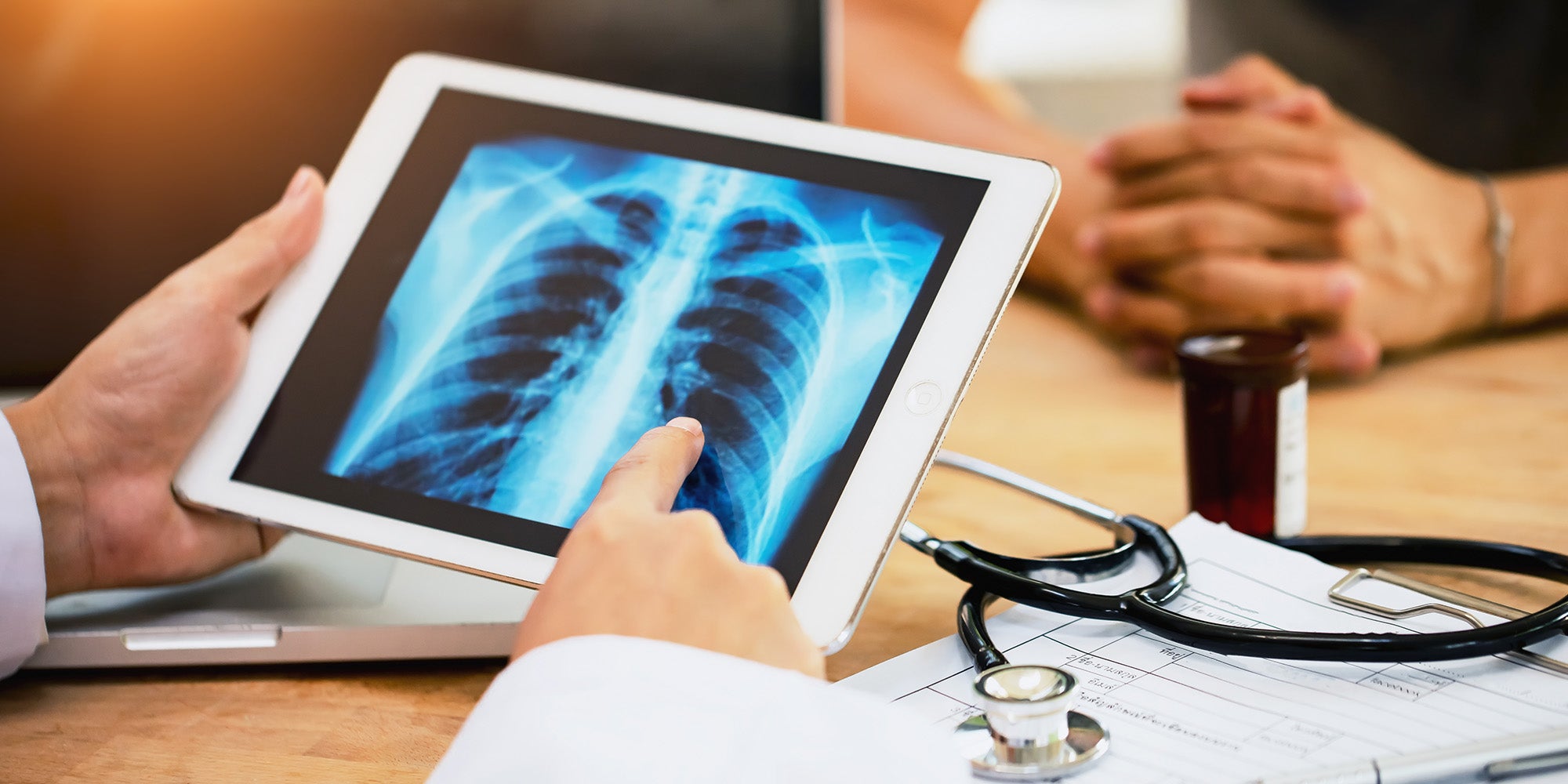
Finding Relief for Interstitial Lung Disease
Loyola is at the leading edge of interstitial lung disease research, diagnosis and treatment. Learn about the types of ILD and latest clinical trials.