
Find lasting relief from chronic rhinitis
February 6, 2026
By: Chirag Patel, MD
Categories: ENT / Otolaryngology
A runny nose, constant congestion, sneezing or post‑nasal drip can be frustrating, especially when symptoms seem to linger no matter what you try. For many people, these ongoing issues may not be seasonal allergies or a lingering cold, but rather signs of chronic rhinitis, a long-term inflammatory condition of the nasal lining. While many home remedies may be effective, long-term solutions, such as posterior nasal nerve ablation, can also help you find relief.
What is chronic rhinitis?
Rhinitis is inflammation and swelling of the mucous membrane of the nose. Rhinitis can be classified as allergic (triggered by the release of histamines in the body) or non-allergic, and some people may have both. Both allergic and non-allergic rhinitis can cause one or more symptoms, ranging from persistent nasal congestion and runny nose to continual post-nasal drip.
“The difference between allergic and non-allergic rhinitis comes down to the type of reaction that happens in the nose. Both are treated differently, and identifying and avoiding triggers can be helpful in both cases,” says Dr. Patel.
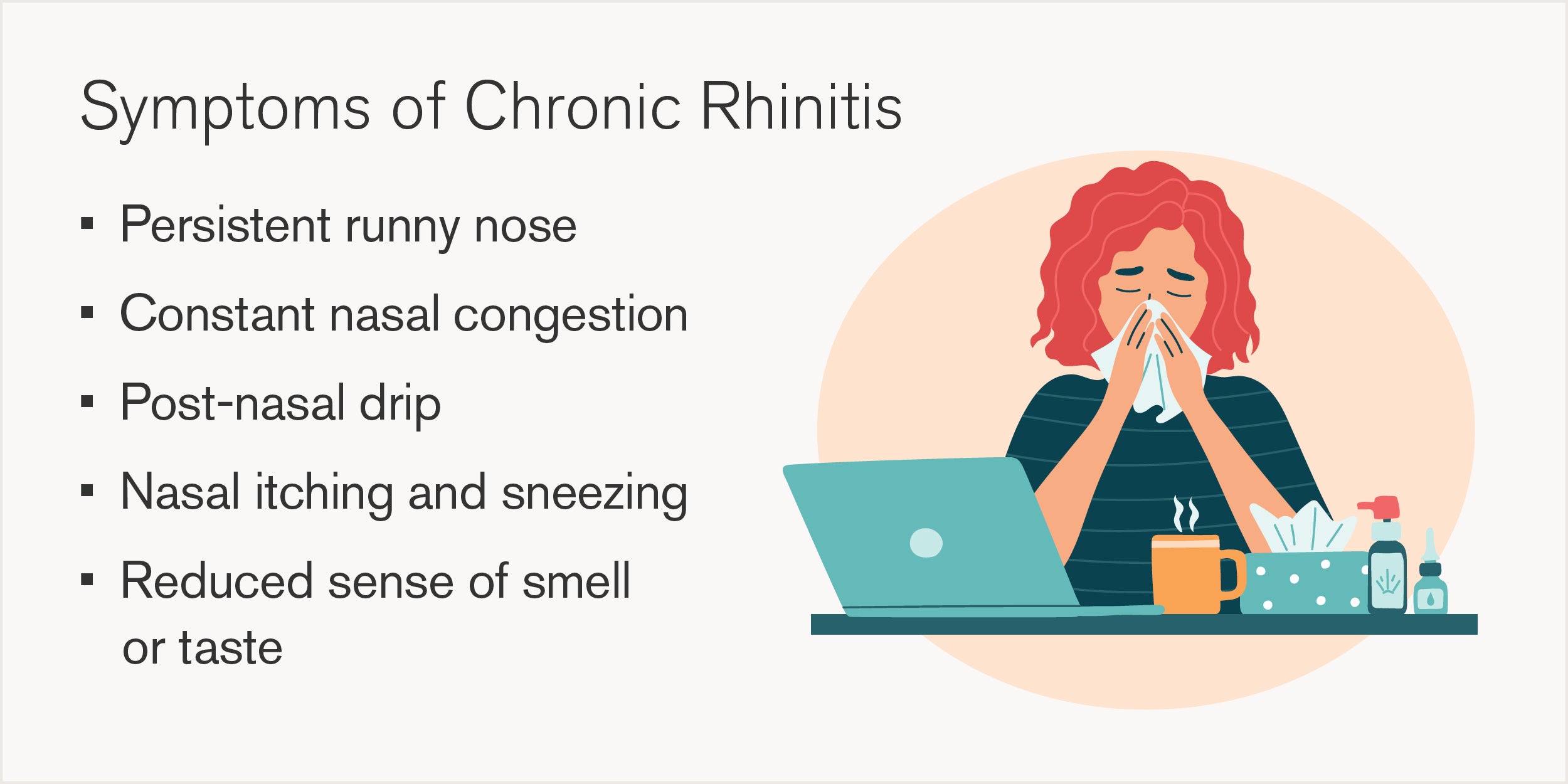
Rhinitis may be acute or chronic. Acute rhinitis commonly results from viral infections such as a common cold, but may also be a result of allergies, bacteria or other causes. When symptoms persist for months or years, this is referred to as chronic rhinitis. If you have used allergy medications and nasal sprays, but your symptoms are not improving over time, you may have chronic rhinitis.
Typically, nasal nerves help regulate nasal activity. Structures called turbinates help to warm and moisturize air as it flows through the nose, and mucus production helps protect against infectious agents. With chronic rhinitis, the nasal nerves send too many signals, inflamed turbinates contribute to congestion and stuffy nose, and excessive mucus can drip down the throat and cause a runny nose.
How to prevent chronic rhinitis
If allergies are causing your chronic rhinitis, it’s not always possible to avoid your triggers. However, there are steps you can take to dramatically improve symptoms.
If possible, use hypoallergenic bedding and covers, regularly washing them to remove allergens. You can also use a HEPA air filter and/or frequently dust and vacuum. If you have pets, don’t let them sleep in your bedroom and wash their bedding and clean any furniture they prefer to rest on.
You can also check pollen counts in your area to determine when the best time is to go outside. When you come back inside, put your clothes in the laundry to avoid spreading pollen and other allergens throughout your home.
How to relieve nasal congestion, runny nose and post-nasal drip
Rhinitis treatment focuses on relieving symptoms, reducing nasal inflammation and addressing underlying triggers. The most effective approach often combines lifestyle strategies with medications tailored to symptom severity and cause.
“Effective treatment usually requires a combination of approaches. The specific treatments differ based on what the underlying triggers may be and the effects of those triggers on the nasal lining,” says Dr. Patel.
Avoid allergen triggers
Identifying and minimizing exposure to irritants is a core part of rhinitis management. Common allergy triggers include pollen, dust mites, pet dander, mold, smoke, strong odors and air pollution. For people with allergic rhinitis, limiting outdoor exposure during high‑pollen days, using HEPA filters and washing bedding regularly can significantly reduce symptoms.
Nasal saline rinses
Salt‑water nasal sprays or rinses help clear allergens, mucus and irritants from the nasal passages. Regular saline use can reduce congestion, improve nasal comfort and enhance the effectiveness of other treatments. Saline rinses are safe for daily use and appropriate for both adults and children.
Allergy medications
Several over‑the‑counter and prescription medications are used to control rhinitis symptoms:
- Antihistamines (pills and sprays) reduce sneezing, itching, and runny nose caused by allergies. Newer, non‑drowsy options are typically preferred for daily use.
- Nasal corticosteroid sprays decrease inflammation inside the nose and are among the most effective treatments for persistent symptoms. They work best when used consistently.
- Decongestants temporarily relieve nasal blockage by shrinking swollen blood vessels but should not be used for more than a few days in spray form, as overuse can worsen congestion.
- Leukotriene modifiers may be used when rhinitis occurs alongside asthma, although they do not treat acute allergy attacks.
Targeted nasal nerve therapy for lasting relief
If allergy medications and common home remedies are not effective in treating your chronic rhinitis, then you may be a candidate for posterior nasal nerve (PNN) ablation, an innovative, new treatment for lasting nasal congestion relief. Loyola Medicine now offers this convenient, effective, and non-invasive procedure that uses radiofrequency technology to deliver precise therapeutic benefits, treating the sources of both runny and stuffy nose.
PNN can be performed under a local anesthetic during a routine office visit, with no incisions, no downtime and minimal discomfort. Patients typically return to normal activity on the same day and begin to see improvement between two and six weeks following treatment, with clinical results demonstrating meaningful, lasting benefits. On average, patients treated reported a 58% decrease in chronic rhinitis symptoms, including runny nose, congestion, itching and sneezing at one year post treatment.
“Successful treatment always comes down to proper identification of the underlying cause of symptoms. In cases of chronic rhinitis without other sinonasal disease, PNN has been very helpful in improving symptoms in over 50% of patients with little to no side effects or complications,” says Dr. Patel.
You don’t have to keep pushing through the frustration of chronic congestion, runny nose or post‑nasal drip. With today’s more effective, long‑term treatment options, including innovative therapies like PNN ablation, lasting relief is possible.