
When Are Bug Bites More a Pest than a Worry?
June 26, 2026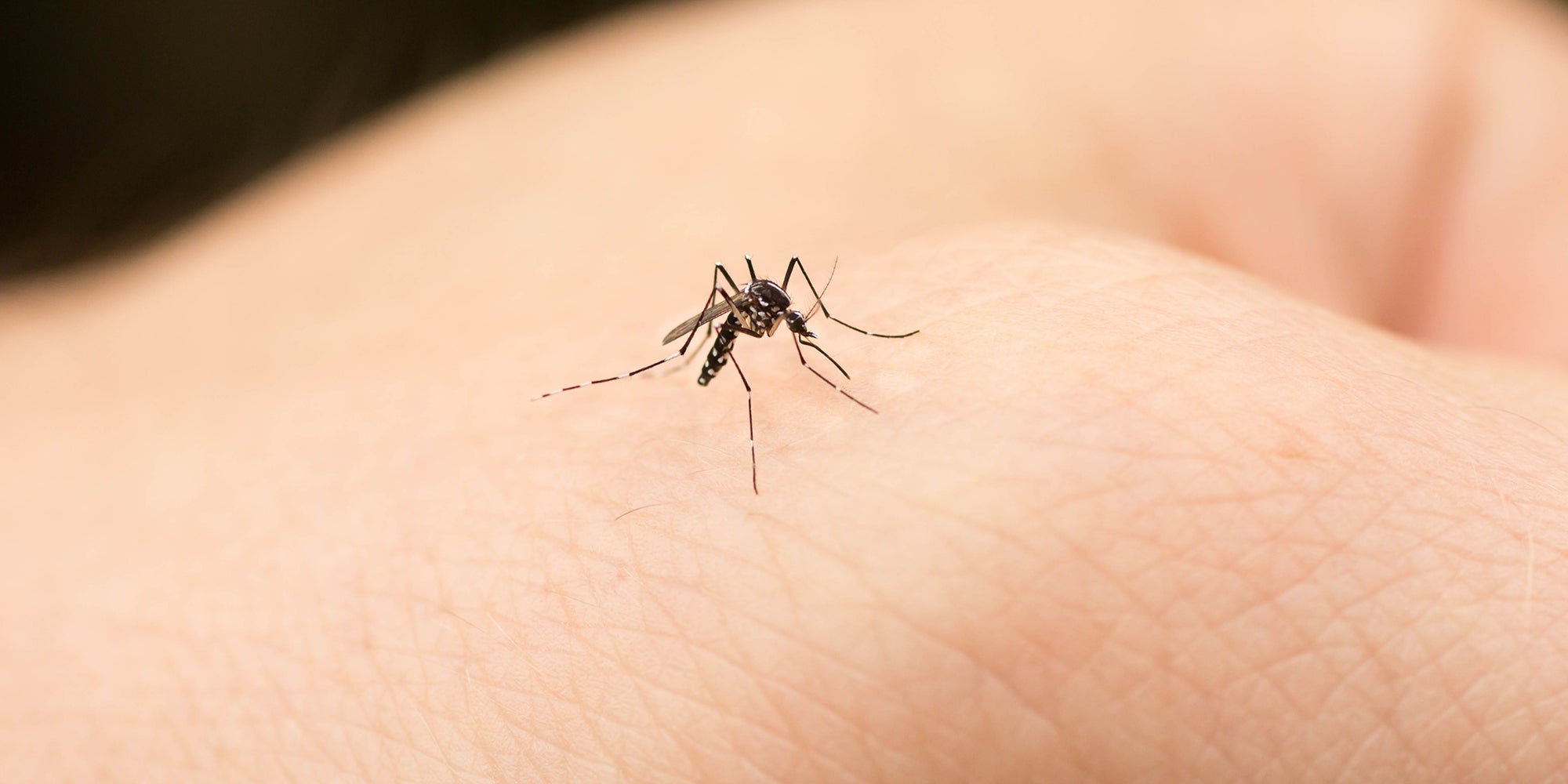
Categories: Health & Wellness, Lyme disease, Hornets, Parasite, Chiggers, Yellow jackets, Sting, Fleas, Ticks, Bees, Mites, Allergic reaction, Bug bites, Wasps, Parasites, Zika virus, Mosquitoes, Bug bite, Insect bites, Pest, Zika, Pests, Aedes mosquito, Insect sting, Zika virus and pregnancy, Common parasites, Stinging insect
As the warm summer weather continues, so does our exposure to insects. This time of year, many people encounter a variety of bugs and, sometimes, get bitten. While most bug bites are harmless, some insects can transfer disease, trigger allergies and cause itchiness or general pain. In these cases, certain bugs can become more than a minor annoyance.
Which summer bugs should you be most worried about?
Mosquitos and the Zika virus
The Aedes mosquito can be infected with the Zika virus, and less common diseases such as dengue fever, yellow fever, and chikungunya, transmitting them to humans during a bite.
This mosquito originated in North Africa but has become an invasive species all over the world, including the Eastern Pacific, South America, the Caribbean, and Central and South America. While the United States is known to have mosquitos that transmit Zika, there have been no reported cases in recent years.
South America, Africa and certain countries in south Asia have current or past Zika transmission. When traveling to these places, take precautions against mosquito bites, such as wearing clothing that covers as much of the body as possible and applying insect repellent.
Zika virus symptoms
Most people who are infected with the Zika virus will have no symptoms, while the remaining infections typically cause only mild, flu-like reactions, such as:
- Body aches
- Fever
- Headache
- Joint pain
- Rash
- Red eyes
These symptoms typically clear up within a week with rest, fluids and over-the-counter medication.
Zika virus and pregnancy
While Zika typically causes mild symptoms, pregnant women who are infected are at risk of transmitting the virus to their fetus. This can cause serious birth defects such as microcephaly in which the newborn child’s head is abnormally small and that can be associated with serious medical problems and developmental delay.
Any woman who is pregnant or considering pregnancy needs to take extra precaution in preventing mosquito bites and should follow up with her healthcare provider if she has concerns related to Zika for any flu-like symptoms during pregnancy.
Common parasites: ticks, fleas and chiggers (mites)
Other pests that “bug” us this time of year include ticks, fleas and chiggers. While they’re all small and capable of causing itchy, irritating bites, they behave very differently. Ticks attach and feed slowly over time, fleas bite repeatedly and move quickly between hosts, and chiggers latch on briefly but can leave behind some of the most intensely itchy skin reactions.
Where you encounter troublesome pests
You’re most likely to encounter ticks in wooded areas, tall grasses and brush along trails, where they wait on vegetation for a host to pass by. Fleas are more closely associated with animals and are often found in homes, yards or shaded outdoor spaces where pets spend time. Chiggers thrive in overgrown grassy areas, weeds and damp environments, especially around forest edges or fields.
Which summer parasites are the most dangerous?
Among the three, ticks pose the most serious health concern because they can transmit diseases such as Lyme disease and Rocky Mountain spotted fever. Fleas are primarily a nuisance for pets, though they can bite humans and occasionally spread disease. Chiggers, while extremely uncomfortable, are generally considered the least medically risky in most regions, as they do not typically transmit disease in North America.
What are the best treatments for pest bites?
Treatment depends on the type of pest involved. Tick removal should be done promptly and carefully using fine-tipped tweezers, followed by cleaning the area and monitoring for symptoms like fever or rash. Flea bites can be managed with simple anti-itch remedies such as hydrocortisone cream or calamine lotion.
Chigger bites, though harmless in most cases, can be intensely itchy for several days. Relief usually comes from topical anti-itch treatments, oral antihistamines and avoiding scratching to prevent infection. A cool shower soon after exposure can also help remove any remaining mites before they attach.
Bees, wasps and yellow jackets
Bees, wasps, yellow jackets and other stingers come out in larger numbers in late August and September. Yellow-jacket wasps become even more aggressive as late summer progresses.
September is a prime time for these wasps that are often mistaken for bees to interfere with outdoor festivals and picnics. Reactions to insect bites and stings (when the insect embeds its stinger into the skin) can range from very mild to very severe.
Fortunately, the majority of insect bites cause only mild symptoms, including local skin redness, swelling and irritation. Severe reactions typically appear quickly and may require immediate treatment.
What do insect sting allergic reactions look like?
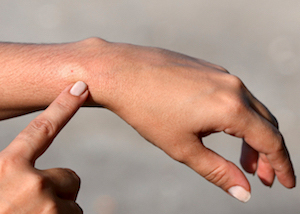 A wasp sting leaves a small mark when the reaction is mild. |
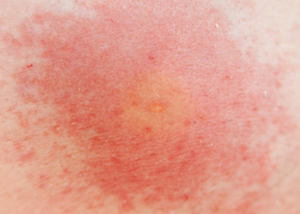 Redness is an allergic reaction to a wasp or bee sting or an indication of an infection. |
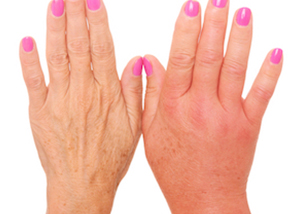 Swelling is an allergic reaction to a wasp or bee sting.
|
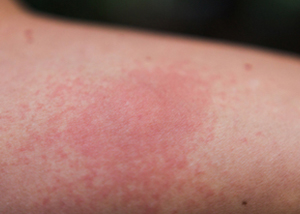 Redness from an infected mosquito bite expands around the bite. If the area develops red streaks, it may be a sign of a serious infection called cellulitis. |
What are common treatments for insect bites and stings?
Here’s what to do depending on the severity of the reaction to the bite or sting. Mild reactions can typically be treated without a trip to your primary care provider. Most bites and stings respond well to conservative treatments such as:
- Washing the area of the bite with soap and warm water
- Applying cool compresses (such as a cold pack)
- Applying over-the-counter anti-itch creams or lotions such as Calamine
- Taking over-the-counter antihistamines such as Benadryl or Claritin if you have a lot of itching
- Taking over-the-counter pain medicines such as Ibuprofen that relieve inflammation
If your child is suffering from a bug bite, consult your child’s doctor before giving medication for an insect bite or sting.
Treating an allergic reaction to bites or stings
If you suffer a more severe reaction to a bug bite or insect sting, such as an allergic reaction with excessive swelling or irritation, you may require a short course of prescription oral steroids and/or anti-itch medication.
Some insect bites can also lead to a skin infection called cellulitis. Infected insect bites may:
- Respond poorly to conservative measures
- Begin to spread or develop red streaks
- Become increasingly red, firm, painful, warm to touch and/or drain pus
- Cause fever, fatigue and body aches
Unfortunately, there are insect bites and stings that can cause a very severe and life-threatening reaction known as anaphylaxis. Symptoms may involve:
- Severe widespread rash and/or flushing of skin
- Swelling
- Difficulty breathing
- Vomiting
Anaphylaxis requires prompt and immediate medical treatment.
How to protect yourself from bites and stings
While insect bites can be a big nuisance this time of year, there are some small steps we can all take to help prevent them. Some practical, everyday tips to protect yourself from stinging insects and bug bites include:
- Wearing shoes, long-sleeved shirts and long pants tucked into socks when going outdoors (especially in wooded areas where ticks are more common)
- Wearing gloves when working outdoors
- Staying indoors at dawn and dusk when mosquitoes are more active
- Avoiding areas of standing water, which can serve as a breeding ground for mosquitoes
- Removing areas of standing water in your yard
- Keeping your pets healthy and flea-free
- Applying bug spray/insect repellent to skin and clothing
Repellants containing DEET last longer depending on the concentration. For children, do not use one that contains more than 30% DEET.
While most bug bites and stings are little more than an itchy inconvenience, it’s important to pay attention to your body and know when something isn’t right. If you notice symptoms such as increasing pain, spreading redness, fever, signs of infection, or any difficulty breathing or swelling beyond the bite site, it’s time to seek medical care. Loyola Medicine makes it easy to get the help you need, with several immediate and urgent care locations ready to treat non-life-threatening reactions quickly and conveniently. Video visits are also available for quick diagnosis and treatment of pest and tick bites.